


Risk factors predicting osteosarcopenia in postmenopausal women with osteoporosis: A retrospective study
- PMID: 32764814
- PMCID: PMC7413553
- DOI: 10.1371/journal.pone.0237454
Risk factors predicting osteosarcopenia in postmenopausal women with osteoporosis: A retrospective study
Abstract
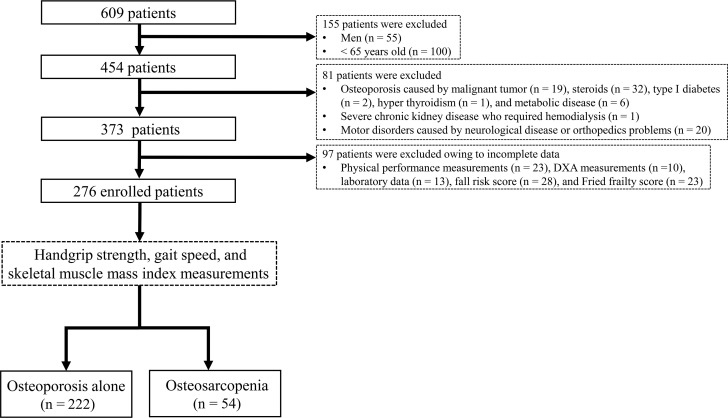
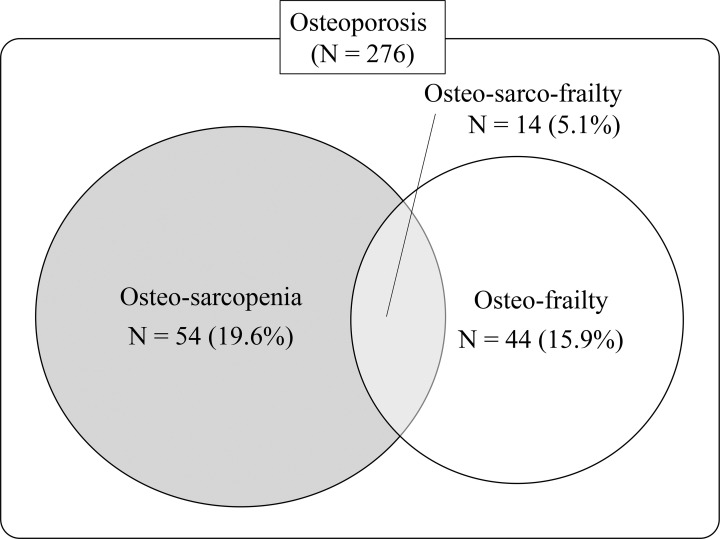
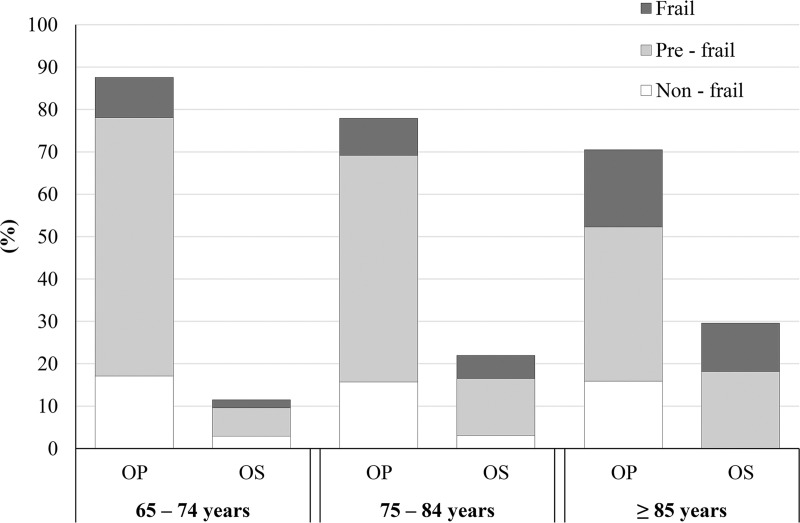
There is growing interest in "osteosarcopenia" as the coexistence of osteoporosis and sarcopenia exacerbates negative outcomes. However, limited information is available regarding the risk factors of osteosarcopenia development in patients with osteoporosis. Therefore, we retrospectively reviewed 276 consecutive patients with postmenopausal osteoporosis who regularly visited Showa University Hospital. Patients were eligible for the study if they were ≥65 years of age and underwent dual-energy X-ray absorptiometry, blood sampling, and physical performance assessment. Patients were divided into the osteosarcopenia and osteoporosis alone groups according to the diagnostic criteria of the Asian Working Group for Sarcopenia. Of the 276 patients with osteoporosis, 54 patients (19.6%) had osteosarcopenia. Patients in the osteosarcopenia group had a greater risk of frailty than did those in the osteoporosis alone group (odds ratio 2.33; 95% confidence interval, 1.13-4.80, P = 0.028). Low body mass index seemed to be the strongest factor related to the development of osteosarcopenia, and none of the patients in the osteosarcopenia group were obese (BMI ≥27.5 kg/m2). Multiple logistic analyses revealed that patients aged 65-74 years who had comorbidities such as kidney dysfunction and high levels of HbA1c were at risk of developing osteosarcopenia. Thus, we strongly recommend the assessment of the key components of the diagnosis of osteosarcopenia in an osteoporosis clinic for patients with low body mass index. Furthermore, appropriate assessments, including comorbidities, will help in identifying patients at greater risk of developing osteosarcopenia.
Conflict of interest statement
The authors have declared that no competing interests exist.
Figures
References
Publication types
MeSH terms
Substances
LinkOut - more resources
Full Text Sources
Medical
