


Intraoperative cell salvage for obstetrics: a prospective randomized controlled clinical trial
- PMID: 32767971
- PMCID: PMC7412832
- DOI: 10.1186/s12884-020-03138-w
Intraoperative cell salvage for obstetrics: a prospective randomized controlled clinical trial
Abstract
Background: The latest basic studies and clinical evidence have confirmed the safety and efficacy of intraoperative autologous blood cell transfusion in cardiac surgery and orthopaedics. However, in caesarean section, there are still concerns about the contamination of amniotic fluid and foetal components, and consequently the application of intraoperative autologous blood cell transfusion is not universal. Therefore, this study aimed to evaluate the clinical value of intraoperative autologous blood cell transfusion in obstetric surgery.
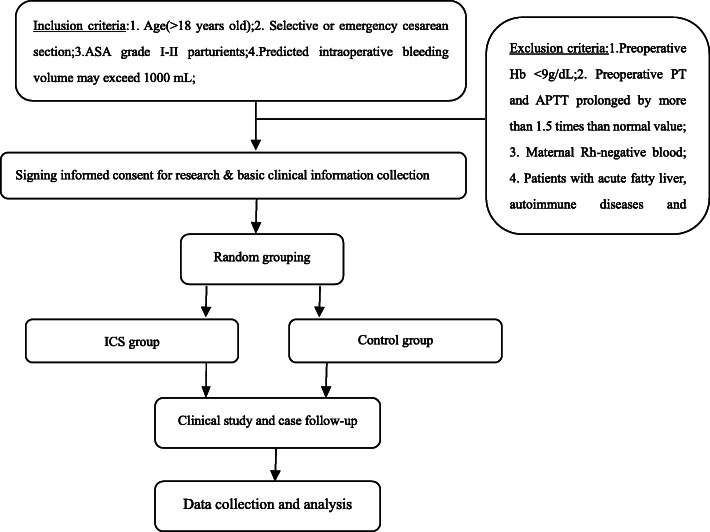
Methods: A prospective, randomized, controlled, feasibility study was performed in women undergoing caesarean section. One hundred sixteen participants were randomly assigned at a 1:1 ratio into either the intraoperative cell salvage group or the control group. Allogeneic blood cells were transfused into patients with haemoglobin concentrations < 80 g/dL in both the intraoperative cell salvage group and the control group.
Results: No significant differences were found between the two groups in age, weight, maternal parity, history of previous caesarean section, gestational weeks of delivery, etc. However, compared with the control group, patients in the intraoperative cell salvage group had a significantly lower amount of allogeneic blood cell transfusion, lower incidence of postoperative incision infection, delayed wound healing, perioperative allergy, adverse cardiovascular events, hypoproteinaemia and shorter hospital stay.
Conclusion: The results of this study suggest that the use of autologous blood cell transfusion is safe and effective for patients with obstetric haemorrhage.
Trial registration: All procedures performed in studies involving human participants were in accordance with the ethical standards of the Institutional and/or National Research Committee of Beijing Obstetrics and Gynecology Hospital, Capital Medical University (2016-XJS-003-01) as well as the 1964 Helsinki Declaration and its later amendments or other comparable ethical standards. The clinical trials were registered (ChiCTR-ICC-15,007,096) on September 28, 2015.
Keywords: Adverse events; Allogeneic blood transfusion; Caesarean section; Intraoperative cell salvage; Postpartum haemorrhage.
Conflict of interest statement
The authors declare that they have no competing interests.
References
Publication types
MeSH terms
Grants and funding
LinkOut - more resources
Full Text Sources
Medical
