


Fibrinolysis Shutdown and Thrombosis in a COVID-19 ICU
- PMID: 32769822
- PMCID: PMC8858425
- DOI: 10.1097/SHK.0000000000001635
Fibrinolysis Shutdown and Thrombosis in a COVID-19 ICU
Abstract
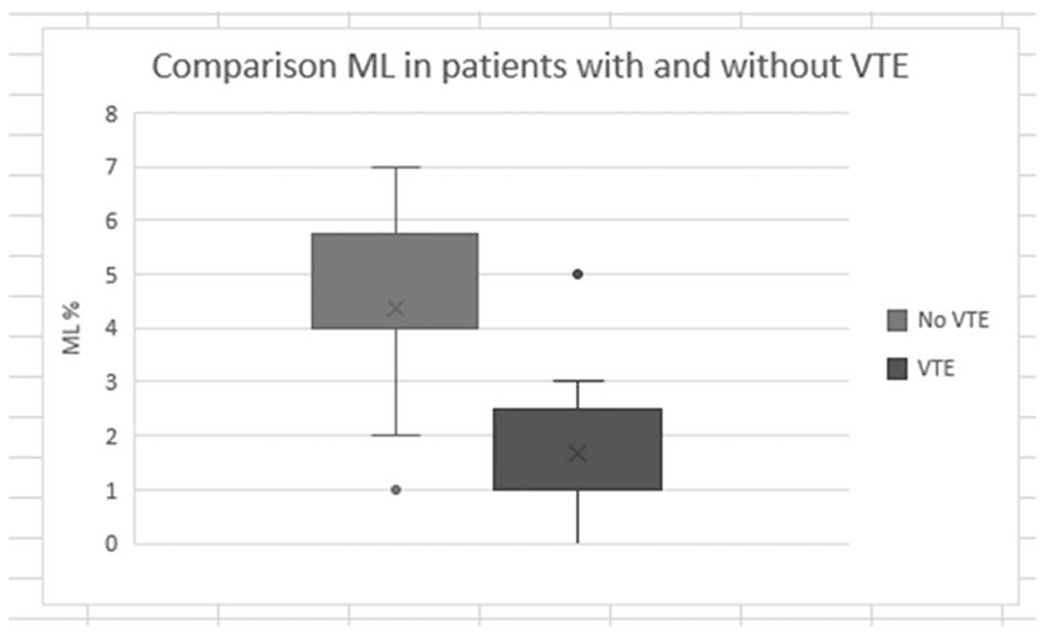
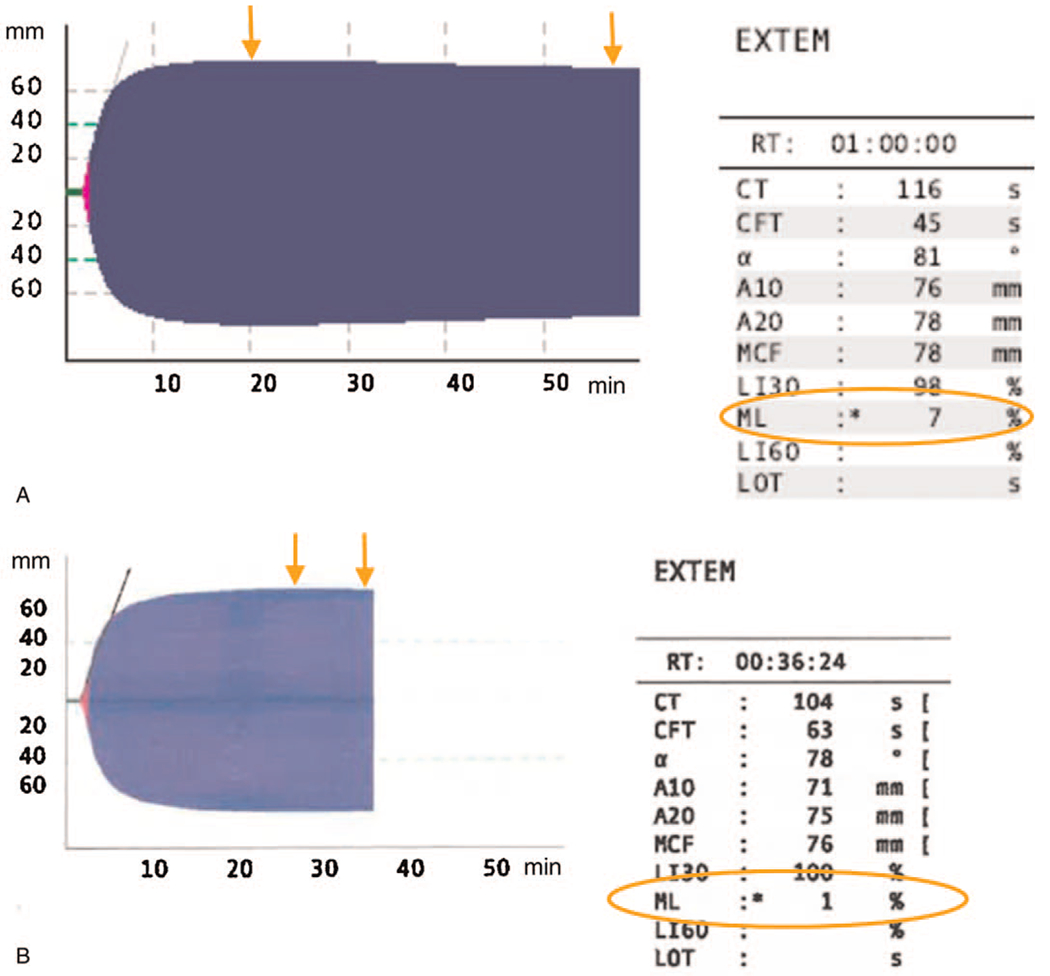
The coronavirus disease (COVID-19) pandemic has threatened millions of lives worldwide with severe systemic inflammation, organ dysfunction, and thromboembolic disease. Within our institution, many critically ill COVID-19-positive patients suffered major thrombotic events, prompting our clinicians to evaluate hypercoagulability outside of traditional coagulation testing.We determined the prevalence of fibrinolysis shutdown via rotational thromboelastometry (ROTEM, Instrumentation Laboratories, Bedford, Mass) in patients admitted to the intensive care unit over a period of 3 weeks. In 25 patients who had a ROTEM test, we found that 11 (44%) met criteria for fibrinolysis shutdown. Eight of 9 (73%) of the VTE patients met criteria for fibrinolysis shutdown.Given the high rate of fibrinolysis shutdown in these patients, our data support using viscoelastic testing to evaluate for the presence of impaired fibrinolysis. This may help identify patient subsets who might benefit from the administration of fibrinolytics.
Copyright © 2020 by the Shock Society.
Conflict of interest statement
The authors report no conflicts of interest.
Figures
Comment in
-
Fibrinolytic Shutdown in COVID-19 Is Likely a Misnomer.Shock. 2021 Jun 1;55(6):844-845. doi: 10.1097/SHK.0000000000001665. Shock. 2021. PMID: 33989264 No abstract available.
References
Publication types
MeSH terms
Substances
Grants and funding
LinkOut - more resources
Full Text Sources
Medical
Miscellaneous
