


Gene expression profile identifies distinct molecular subtypes and potential therapeutic genes in Merkel cell carcinoma
- PMID: 32771971
- PMCID: PMC7412862
- DOI: 10.1016/j.tranon.2020.100816
Gene expression profile identifies distinct molecular subtypes and potential therapeutic genes in Merkel cell carcinoma
Abstract
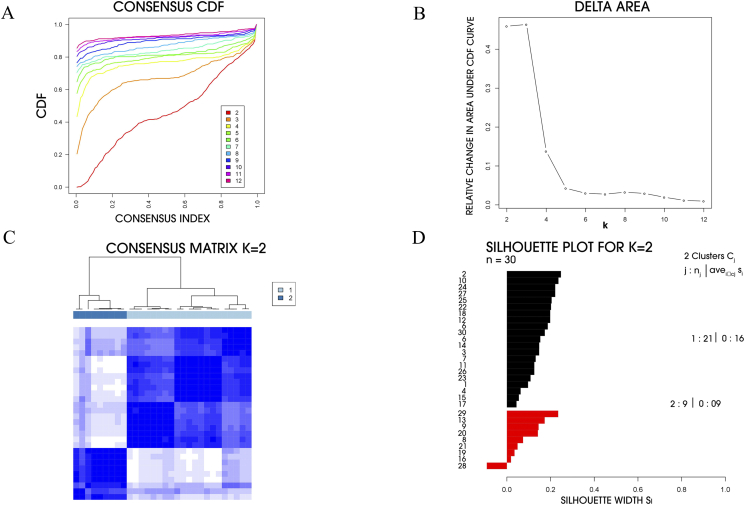
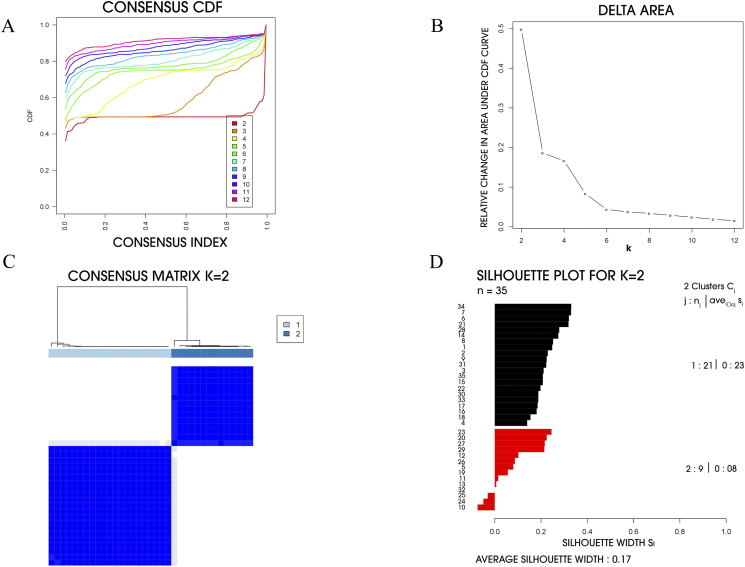
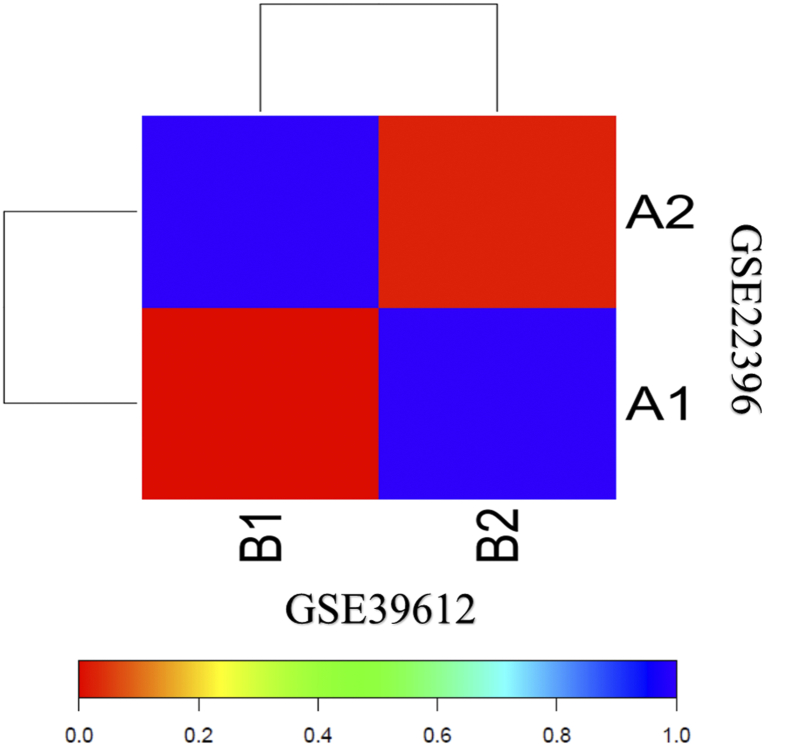
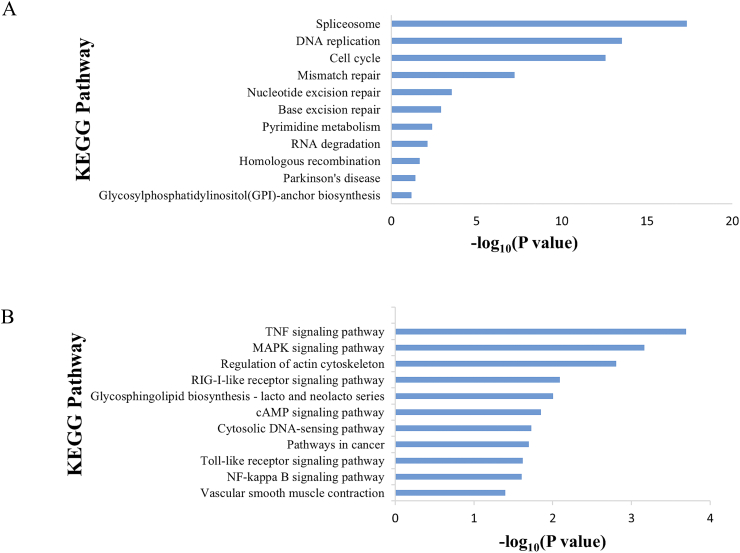
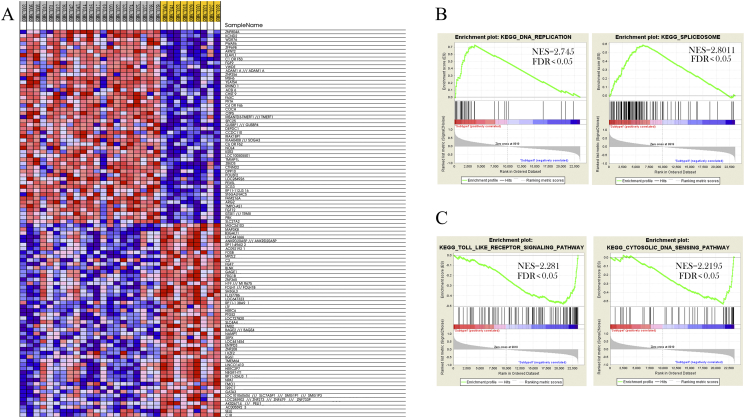
Merkel cell carcinoma (MCC) is a rare primary cutaneous neoplasm of neuroendocrine carcinoma of the skin. About 80% of the MCC occurs due to Merkel cell polyomavirus (MCPyV) and 20% of the tumors usually occur due to severe UV exposure which is a more aggressive type of MCC. It tends to have an increased incidence rate among elderly and immunosuppressed individuals. On therapeutic level, sub-classification of MCC through molecular subtyping has emerged as a promising technique for MCC prognosis. In current study, two consistent distinct molecular subtypes of MCCs were identified using gene expression profiling data. Subtypes I MCCs were associated with spliceosome, DNA replication and cellular pathways. On the other hand, genes overexpressed in subtype II were found active in TNF signalling pathway and MAPK signalling pathway. We proposed different therapeutic targets based on subtype specificity, such as PTCH1, CDKN2A, AURKA in case of subtype I and MCL1, FGFR2 for subtype II. Such findings may provide fruitful knowledge to understand the intrinsic subtypes of MCCs and the pathways involved in distinct subtype oncogenesis, and will further advance the knowledge in developing a specific therapeutic strategy for these MCC subtypes.
Keywords: Gene expression; Merkel cell carcinoma; Molecular subtype; Subtype specific treatment.
Copyright © 2020. Published by Elsevier Inc.
Conflict of interest statement
Declaration of competing interest The authors declare that they have no known competing financial interests or personal relationships that could have appeared to influence the work reported in this paper.
Figures
References
-
- Halata Z., Grim M., Bauman K.I. Friedrich Sigmund Merkel and his Merkel cell, morphology, development and physiology; review and new results. Anat. Rec. 2003;271:225–239. - PubMed
-
- Zackheim H.S., Amin S., Kashani-Sabet M., McMillan A. Prognosis in cutaneous T-cell lymphoma by skin stage; long term survival in 489 patients. J. Am. Acad. Dermatol. 1999;40:418–425. - PubMed
-
- Agelli C., Rollison B. The etiology and epidemiology of merkel cell carcinoma. Curr. Probl. Cancer. 2010;34:14–37. - PubMed
-
- Kukko H., Bohling T., Koljonen V., Tukiainen E., Haglund C., Pokhrel A., Sankila R., Pukkala E. Merkel cell carcinoma - a population-based epidemiological study in Finland with a clinical series of 181 cases. Eur.J.Cancer. 2012;48:737–742. - PubMed
-
- Popp S., Waltering S., Herbst C., Moll I., Boukamp P. UV-B-type mutations and chromosomal imbalances indicate common pathways for the development of Merkel and skin squamous cell carcinomas. Int. J. Cancer. 2002;99:352–360. - PubMed
LinkOut - more resources
Full Text Sources
Miscellaneous
