


Valorization of Olive Pruning Residues through Bioconversion into Edible Mushroom Pleurotus ostreatus (Jacq. Ex Fr.) P. Kumm. (1871) of Improved Nutritional Value
- PMID: 32774986
- PMCID: PMC7407021
- DOI: 10.1155/2020/3950357
Valorization of Olive Pruning Residues through Bioconversion into Edible Mushroom Pleurotus ostreatus (Jacq. Ex Fr.) P. Kumm. (1871) of Improved Nutritional Value
Abstract
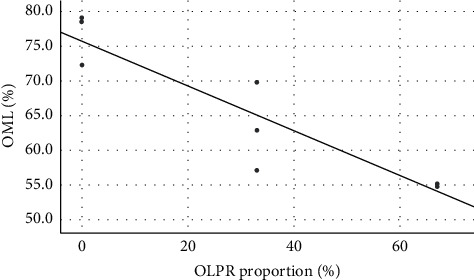
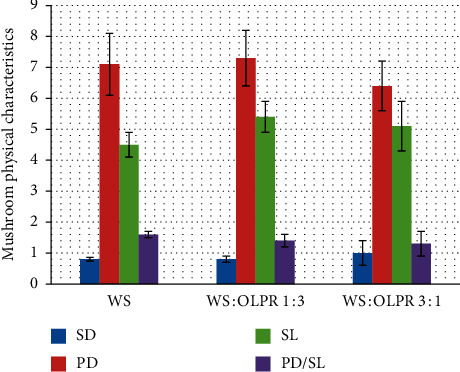
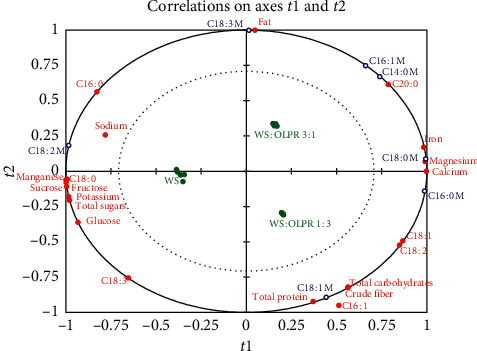
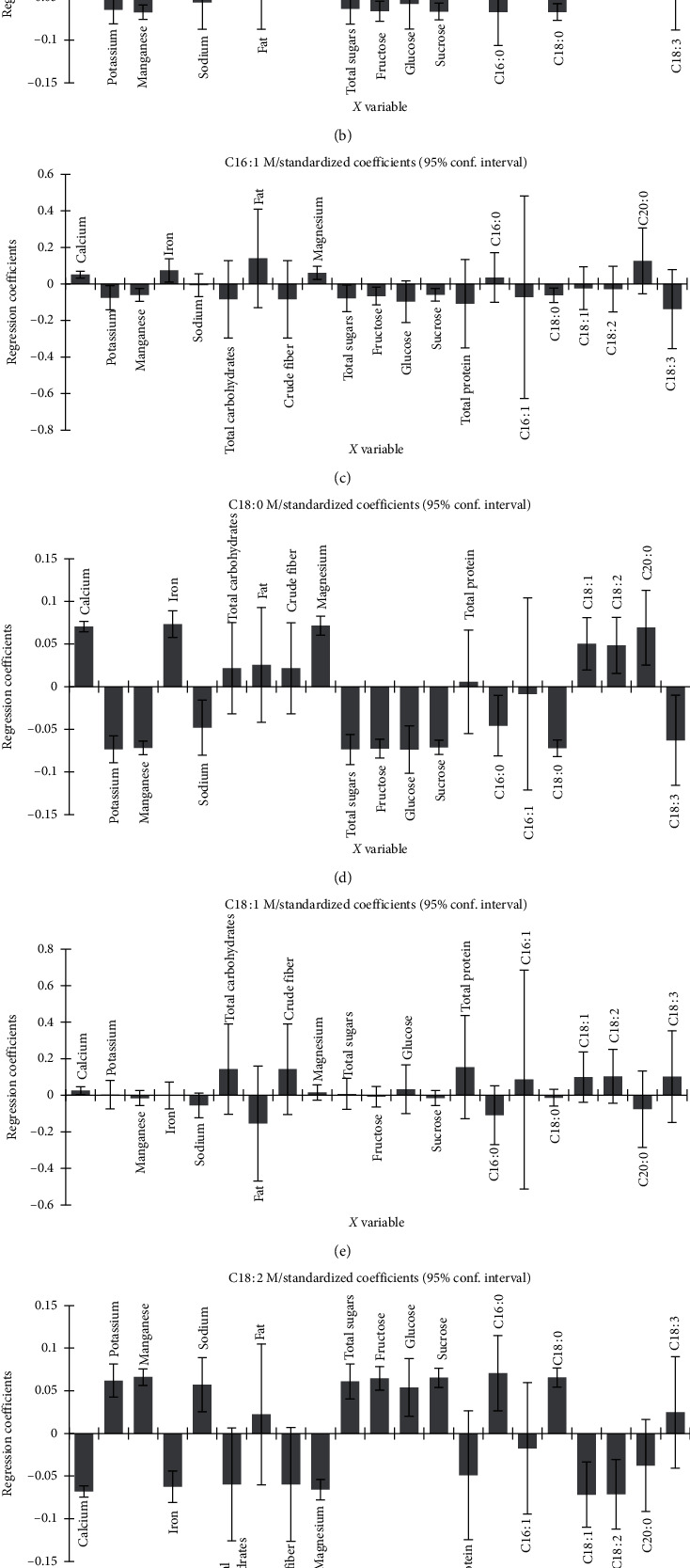
In several Mediterranean countries, olive pruning residues (OLPRs) are abandoned or burned leading to several environmental problems. Valorization of these agrowastes could be a challenge for the primary decomposer Pleurotus ostreatus, turning them into edible biomass. The OLPR was used alone (OLPR), or in mixtures with wheat straw (WS : OLPR 1 : 3 v/v and WS : OLPR 3 : 1 v/v). Mycelial colonization was hastened by 3.7 days in WS : OLPR 1 : 3 (v/v). Yields were comparable to control (WS) in WS : OLPR 3 : 1 (v/v). Organic matter loss decreased with increasing proportions of OLPR in substrates. The nutritional value of mushrooms was improved by lower fat and sodium contents, in WS : OLPR 1 : 3 (v/v) and WS : OLPR 3 : 1 (v/v), and higher total protein, crude fiber, iron, and total carbohydrates contents in WS : OLPR 3 : 1 (v/v), compared with those of control. Polyunsaturated fatty acids, mainly linoleic acid, were the most abundant in mushrooms. Monounsaturated fatty acids increased in mushrooms of the substrates containing OLPR. A good predictive model of partial least square regression analysis showed different relationships of mushroom palmitic, oleic, linolenic, palmitoleic, and stearic acids with substrate composition. Findings suggested the use of OLPR as a supplement to commercial wheat straw and as a tool to reduce the negative impacts of their hazardous disposal on the environment.
Copyright © 2020 Sami Abou Fayssal et al.
Conflict of interest statement
The authors declare no conflicts of interest.
Figures
References
-
- Senatore F., Dini A., Marino A., Schettino O. Chemical constituents of some basidiomycetes. Journal of the Science of Food and Agriculture. 1988;45(4):337–345. doi: 10.1002/jsfa.2740450408. - DOI
-
- Croan S. C. Conversion of conifer wastes into edible and medicinal mushrooms. Forest Products Journal. 2004;54:68–76.
LinkOut - more resources
Full Text Sources
