


Coronavirus testing indicates transmission risk increases along wildlife supply chains for human consumption in Viet Nam, 2013-2014
- PMID: 32776964
- PMCID: PMC7416947
- DOI: 10.1371/journal.pone.0237129
Coronavirus testing indicates transmission risk increases along wildlife supply chains for human consumption in Viet Nam, 2013-2014
Abstract
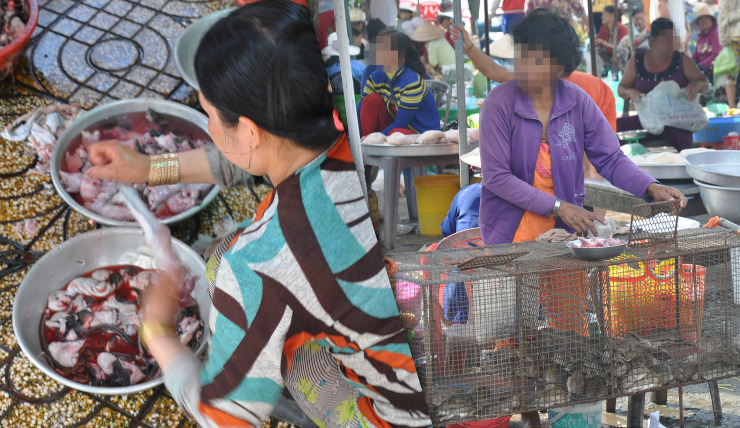
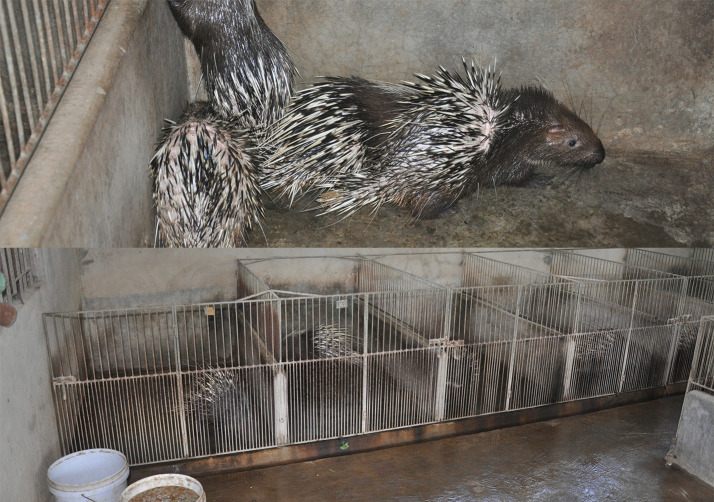
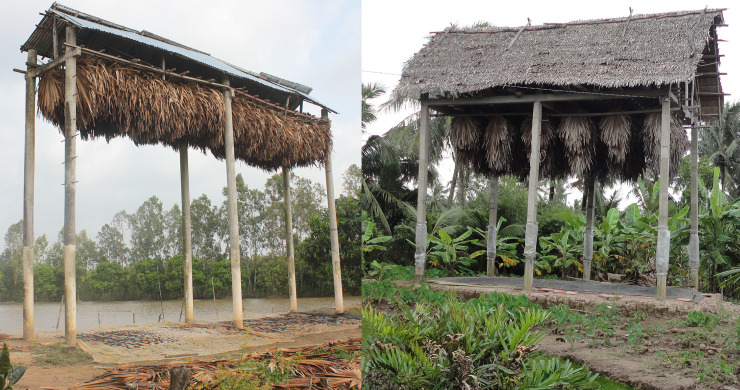
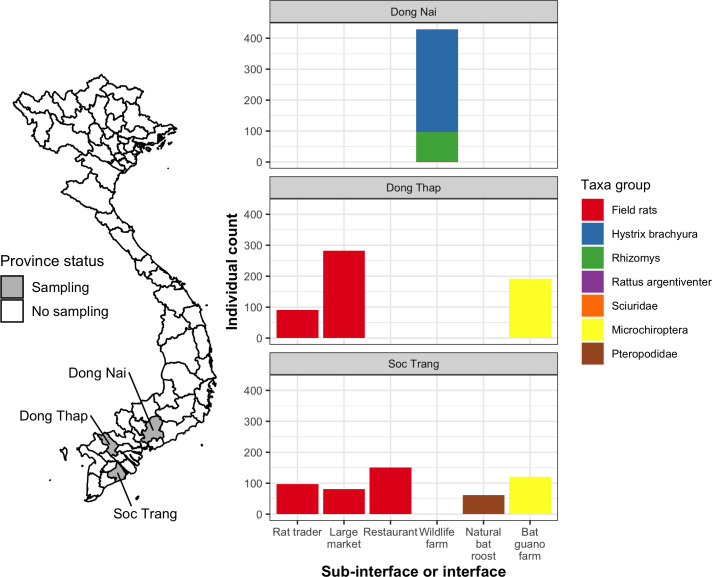
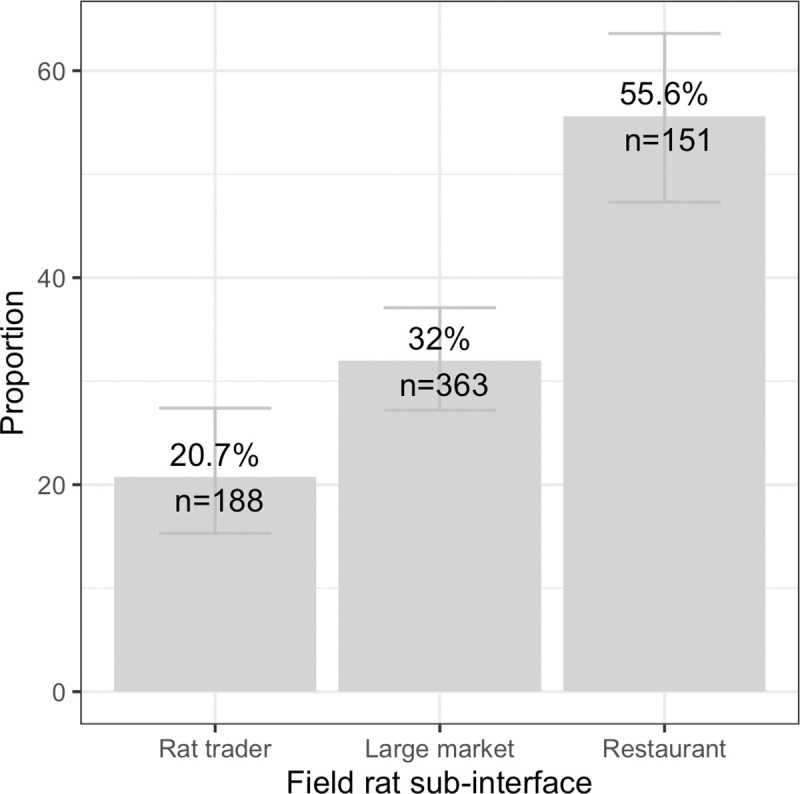
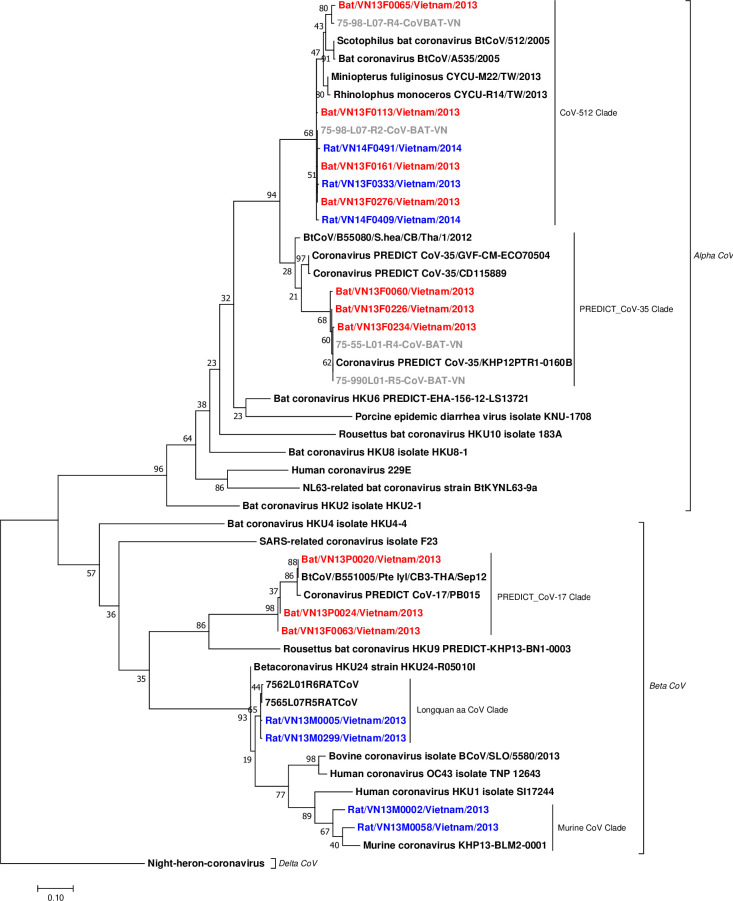
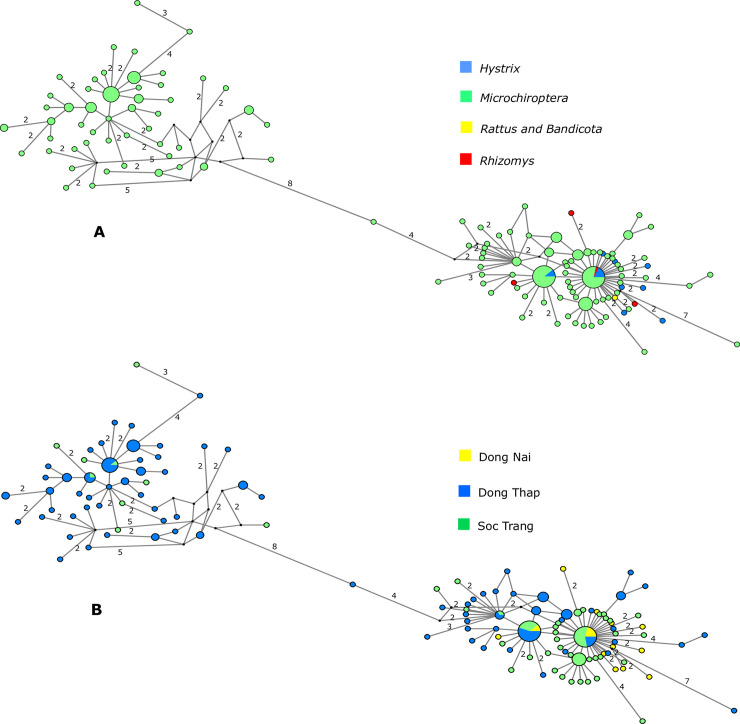
Outbreaks of emerging coronaviruses in the past two decades and the current pandemic of a novel coronavirus (SARS-CoV-2) that emerged in China highlight the importance of this viral family as a zoonotic public health threat. To gain a better understanding of coronavirus presence and diversity in wildlife at wildlife-human interfaces in three southern provinces in Viet Nam 2013-2014, we used consensus Polymerase Chain Reactions to detect coronavirus sequences. In comparison to previous studies, we observed high proportions of positive samples among field rats (34.0%, 239/702) destined for human consumption and insectivorous bats in guano farms (74.8%, 234/313) adjacent to human dwellings. Most notably among field rats, the odds of coronavirus RNA detection significantly increased along the supply chain from field rats sold by traders (reference group; 20.7% positivity, 39/188) by a factor of 2.2 for field rats sold in large markets (32.0%, 116/363) and 10.0 for field rats sold and served in restaurants (55.6%, 84/151). Coronaviruses were also detected in rodents on the majority of wildlife farms sampled (60.7%, 17/28). These coronaviruses were found in the Malayan porcupines (6.0%, 20/331) and bamboo rats (6.3%, 6/96) that are raised on wildlife farms for human consumption as food. We identified six known coronaviruses in bats and rodents, clustered in three Coronaviridae genera, including the Alpha-, Beta-, and Gammacoronaviruses. Our analysis also suggested either mixing of animal excreta in the environment or interspecies transmission of coronaviruses, as both bat and avian coronaviruses were detected in rodent feces on wildlife farms. The mixing of multiple coronaviruses, and their apparent amplification along the wildlife supply chain into restaurants, suggests maximal risk for end consumers and likely underpins the mechanisms of zoonotic spillover to people.
Conflict of interest statement
The authors have declared that no competing interests exist.
Figures
References
-
- Aylward Bruce (WHO); Liang W (PRC). Report of the WHO-China Joint Mission on Coronavirus Disease 2019 (COVID-19). WHO-China Jt Mission Coronavirus Dis 2019. 2020;2019: 16–24. Available: https://www.who.int/docs/default-source/coronaviruse/who-china-joint-mis...
-
- World Health Organization. Summary of probable SARS cases with onset of illness from 1 November 2002 to 31 July 2003. [cited 23 Apr 2020]. Available: https://www.who.int/csr/sars/country/table2004_04_21/en/
-
- Knober S, Mahmoud A, Lemon S, Mack A, Sivitz L, Oberholtzer K, editors. Learning from SARS: preparing for the next disease outbreak: workshop summary. The National Academies Press. Washington, DC: The National Academies Press; 2004. Available: http://www.nap.edu/catalog/10915.htm - PubMed
Publication types
MeSH terms
Substances
LinkOut - more resources
Full Text Sources
Other Literature Sources
Medical
Miscellaneous
