


Burnout Among Neurosurgeons and Residents in Neurosurgery: A Systematic Review and Meta-Analysis of the Literature
- PMID: 32777406
- PMCID: PMC7413160
- DOI: 10.1016/j.wneu.2020.08.005
Burnout Among Neurosurgeons and Residents in Neurosurgery: A Systematic Review and Meta-Analysis of the Literature
Abstract
Background: Burnout syndrome (BS) is a common condition among medical professionals. It is composed of 3 different subdimensions: emotional exhaustion (EE), depersonalization (DP), and reduced personal accomplishment (PA). In the last years, interest in BS in the neurosurgical community has increased. Here we investigated burnout among neurosurgeons and residents in neurosurgery.
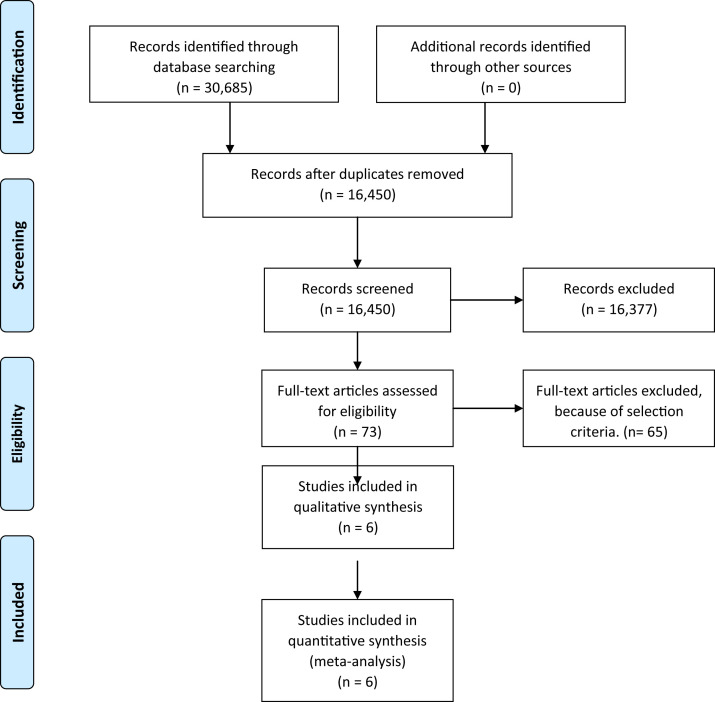
Methods: A systematic review with meta-analysis was performed following PRISMA guidelines. A search of bibliographic databases was conducted from study inception to February 2020. A total of 16,377 studies were found. Six articles were included in our final analysis. Their references were checked for additional studies, but none were found.
Results: From the initial 16,377 studies identified, only 6 met our inclusion criteria. These studies included a total of 3310 physicians. The general prevalence of BS was 48%. The prevalence in neurosurgeons was 51.1%, higher than that recorded in neurosurgical residents (45.4%). Regarding subdimensions, personal accomplishment seemed to be the most influential factor for burnout development among neurosurgeons (42.57%) and residents (51.56%) alike.
Conclusions: Neurosurgery is a rewarding career choice, but numerous challenges and stressors can lead to lower levels of satisfaction and dangerously increased levels of burnout. We hope that our results will generate discussion, raise awareness, stimulate further studies, and lead to programs designed to mitigate excessive stress and burnout in neurosurgeons.
Keywords: Burnout; Career; Neurosurgery; Residency.
Copyright © 2020 Elsevier Inc. All rights reserved.
Figures
Comment in
-
Letter to the Editor Regarding "Burnout Among Neurosurgeons and Residents in Neurosurgery: A Systematic Review and Meta-Analysis of the Literature".World Neurosurg. 2022 Aug;164:478. doi: 10.1016/j.wneu.2022.05.072. World Neurosurg. 2022. PMID: 35941783 Free PMC article. No abstract available.
-
Letter to the Editor Regarding "Burnout Among Neurosurgeons and Residents in Neurosurgery: A Systematic Review and Meta-Analysis of the Literature".World Neurosurg. 2022 Sep;165:205. doi: 10.1016/j.wneu.2022.06.039. World Neurosurg. 2022. PMID: 36123826 Free PMC article. No abstract available.
References
-
- Freudenberger H.J. Staff burnout. J Soc Issues. 1974;30:159–165.
-
- Maslach C., Jackson S.E. The measurement of experienced burnout. J Occup Behav. 1981;2:99–113.
-
- McAbee J.H., Ragel B.T., McCartney S., et al. Factors associated with career satisfaction and burnout among US neurosurgeons: results of a nationwide survey. J Neurosurg. 2015;123:161–173. - PubMed
Publication types
MeSH terms
LinkOut - more resources
Full Text Sources
Miscellaneous
