


Droplet and Aerosol Generation With Endonasal Surgery: Methods to Mitigate Risk During the COVID-19 Pandemic
- PMID: 32779964
- PMCID: PMC7424614
- DOI: 10.1177/0194599820949802
Droplet and Aerosol Generation With Endonasal Surgery: Methods to Mitigate Risk During the COVID-19 Pandemic
Abstract
Objective: To define the aerosol and droplet risks associated with endonasal drilling and to identify mitigation strategies.
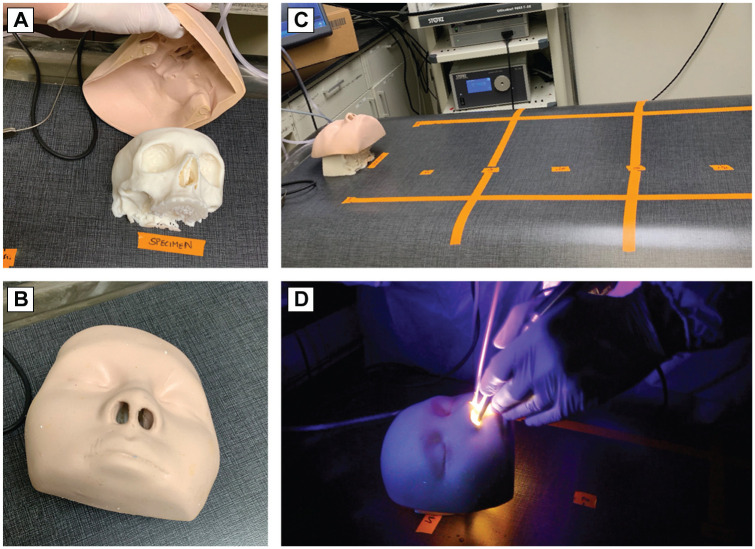
Study design: Simulation series with fluorescent 3-dimensional (3D) printed sinonasal models and deidentified cadaveric heads.
Settings: Dedicated surgical laboratory.
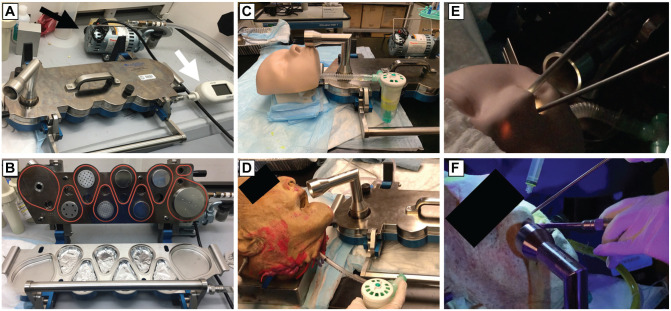
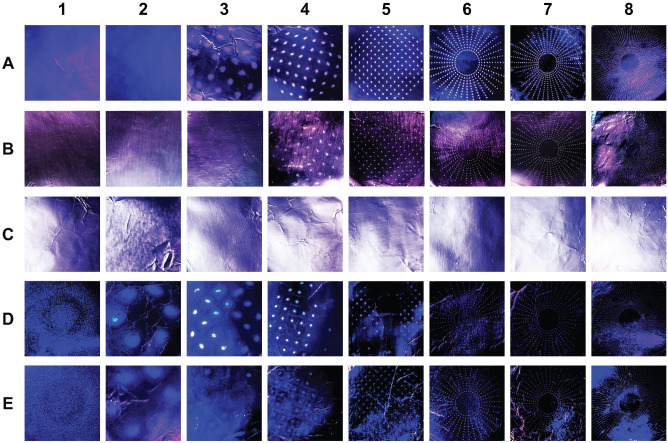
Subjects and methods: Cadaveric specimens irrigated with fluorescent tracer and fluorescent 3D-printed models were drilled. A cascade impactor was used to collect aerosols and small droplets of various aerodynamic diameters under 15 µm. Large droplet generation was measured by evaluating the field for fluorescent debris. Aerosol plumes through the nares were generated via nebulizer, and mitigation measures, including suction and SPIWay devices, nasal sheaths, were evaluated regarding reduction of aerosol escape from the nose.
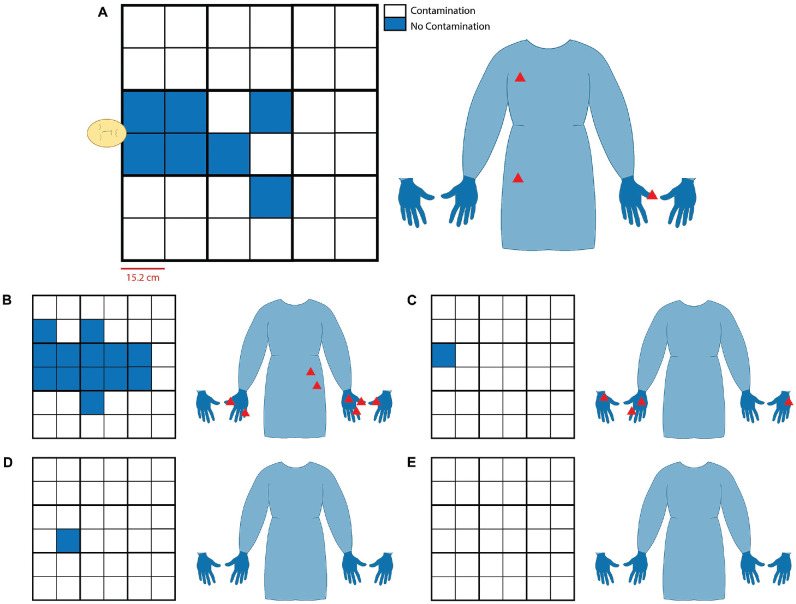
Results: The drilling of cadaveric specimens without flexible suction generated aerosols ≤3.30 µm, and drilling of 3D sinonasal models consistently produced aerosols ≤14.1 µm. Mitigation with SPIWay or diameter-restricted SPIWay produced same results. There was minimal field contamination in the cadaveric models, 0% to 2.77% field tarp area, regardless of drill burr type or drilling location; cutting burr drilling without suction in the 3D model yielded the worst contamination field (36.1%), followed by coarse diamond drilling without suction (19.4%). The simple placement of a flexible suction instrument in the nasal cavity or nasopharynx led to complete elimination of all aerosols ≤14.1 µm, as evaluated by a cascade impactor positioned immediately at the nares.
Conclusion: Given the findings regarding aerosol risk reduction, we strongly recommend that physicians use a suction instrument in the nasal cavity or nasopharynx during endonasal surgery in the COVID-19 era.
Keywords: COVID-19; aerosol; droplet; endonasal; prevention; safety; skull base.
Conflict of interest statement
Figures
References
-
- Trudell Medical International. AeroEclipse* Breath Actuated Nebulizer. Accessed June 14, 2020 https://www.trudellmed.com/aeroeclipse-breath-actuated-nebulizer
MeSH terms
Substances
LinkOut - more resources
Full Text Sources
Medical
