. 2020 Sep 17;383(12):1107-1116.
doi: 10.1056/NEJMoa1908753. Epub 2020 Aug 12.

Causal Genetic Variants in Stillbirth

Affiliations

Causal Genetic Variants in Stillbirth

Kate E Stanley et al. N Engl J Med. .

Abstract

Background: In the majority of cases, the cause of stillbirth remains unknown despite detailed clinical and laboratory evaluation. Approximately 10 to 20% of stillbirths are attributed to chromosomal abnormalities. However, the causal nature of single-nucleotide variants and small insertions and deletions in exomes has been understudied.

Methods: We generated exome sequencing data for 246 stillborn cases and followed established guidelines to identify causal variants in disease-associated genes. These genes included those that have been associated with stillbirth and strong candidate genes. We also evaluated the contribution of 18,653 genes in case-control analyses stratified according to the degree of depletion of functional variation (described here as "intolerance" to variation).

Results: We identified molecular diagnoses in 15 of 246 cases of stillbirth (6.1%) involving seven genes that have been implicated in stillbirth and six disease genes that are good candidates for phenotypic expansion. Among the cases we evaluated, we also found an enrichment of loss-of-function variants in genes that are intolerant to such variation in the human population (odds ratio, 2.15; 95% confidence interval [CI], 1.46 to 3.06). Loss-of-function variants in intolerant genes were concentrated in genes that have not been associated with human disease (odds ratio, 2.22; 95% CI, 1.41 to 3.34), findings that differ from those in two postnatal clinical populations that were also evaluated in this study.

Conclusions: Our findings establish the diagnostic utility of clinical exome sequencing to evaluate the role of small genomic changes in stillbirth. The strength of the novel risk signal (as generated through the stratified analysis) was similar to that in known disease genes, which indicates that the genetic cause of stillbirth remains largely unknown. (Funded by the Institute for Genomic Medicine.).


Figures

Figure 1.
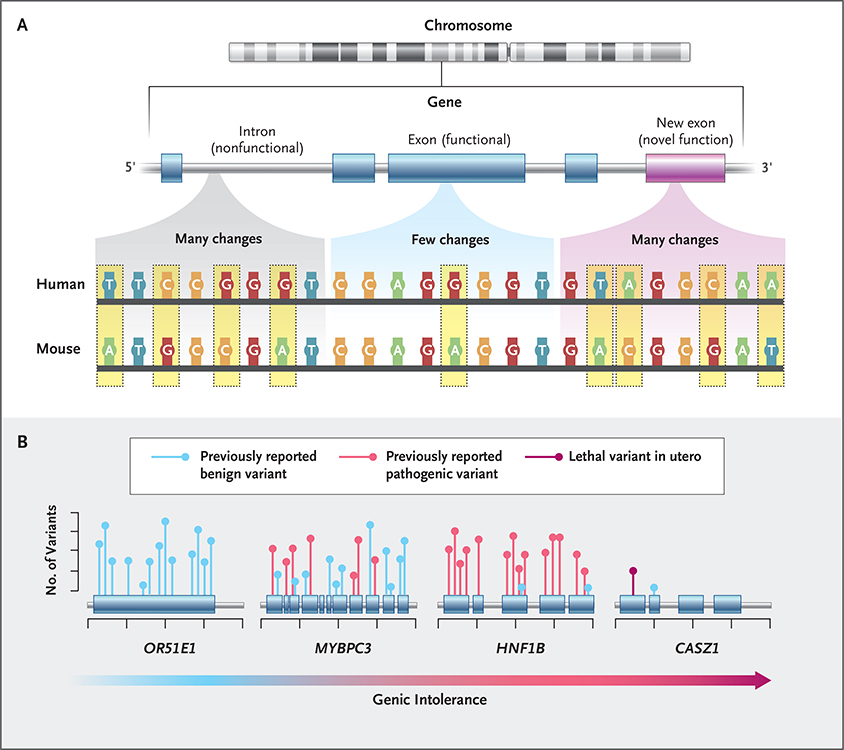
Figure 1.. Intolerance to Genetic Variation.
Regions of the human genome that are under the strongest natural selection are the most likely to cause disease when they are variant. Until 2013, the primary approach that was used to identify such regions relied on the genetic similarities of different species. Genomic regions under selection show fewer DNA changes (e.g., nucleotide substitutions, deletions, or insertions) across species and are likely to be functionally important (Panel A). Pathogenic variants that cause human diseases have long been shown to fall preferentially within these “constrained” regions. Although this approach is useful, it cannot identify genomic regions of particular importance in humans, as might happen because of the evolution of a novel function. In 2013, a new framework was developed to address this limitation: variation, solely within the human population, was used to identify genes with less functional variation than expected according to genomewide averages. Genes with a depletion of human variation are termed “intolerant” and reflect parts of the genome under strong selection specifically in humans. Since the introduction of intolerance scoring, there have been a number of important elaborations focused on regions of genes, specific types of variants, and regulatory regions. Intolerance scores have now been shown to provide independent information about where in the human genome pathogenic variants are found (Panel B).,,‑ For example, the gene encoding olfactory receptor 51E1 (OR51E1) is tolerant to variation and does not cause disease, whereas MYBPC3 and HNF1B are intolerant and are known to cause cardiac and kidney disease, respectively. CASZ1 is highly intolerant to variation in the healthy population, but no pathogenic variants have been reported in the literature regarding postnatal disease, which indicates that it may result in lethality when variant in utero.
Figure 2.
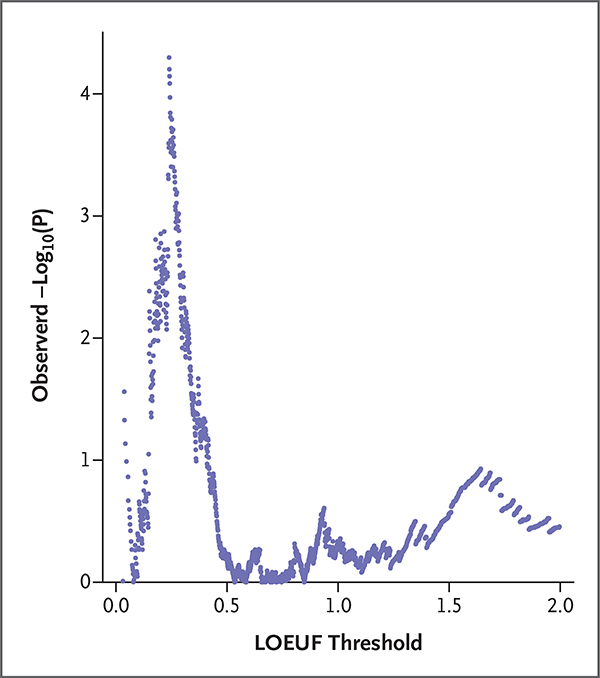
Figure 2.. Enrichment of Loss-of-Function Variants in Stillbirth Cases, as Compared with Controls.
To explore which genetic variants may be associated with stillbirth, we assigned an LOEUF (loss-of-function observed-to-expected upper boundary fraction) value to all 8081 genes with a loss-of-function variant in 241 case samples and 7239 control samples. The process resulted in 1825 unique LOEUF values. The LOEUF value is the upper boundary of a Poisson-derived confidence interval of the observed-to-expected ratio. A low LOEUF score indicates a depletion of loss-of-function variation (also referred to as “intolerance” to loss-of-function variation). The enrichment of loss-of-function variants was then assessed by comparing the count of variants in cases and controls in each of these 1825-gene groupings. Enrichment was evaluated with the use of a logistic-regression model that evaluated case–control status regarding the presence or absence of a loss-of-function variant in each gene grouping. Enrichment of presumed neutral synonymous variants at each intolerance threshold was used as a covariate to control for differences between case and control genomes that are unrelated to disease risk. The negative log of the enrichment statistic (unadjusted P value) at each LOEUF threshold is shown on the y axis. The x axis reflects the LOEUF threshold for each gene grouping. The minimum observed P value, which indicates the most significant enrichment across all LOEUF thresholds, occurs at a LOEUF threshold of 0.239 or less. The significance of the observed minimum P value was then assessed by permutation (number of permutations, 10,000).
Figure 3.
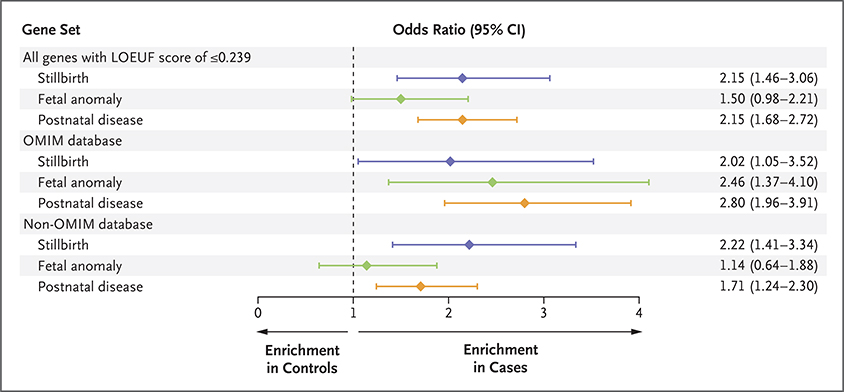
Figure 3.. Loss-of-Function Signal in Intolerant Genes in Three Clinical Cohorts.
In this study, the LOEUF threshold that had the strongest enrichment of loss-of-function variants (≤0.239) in the 241 cases in the stillbirth cohort was used to make point comparisons with the loss-of-function signal in a group of 251 live-birth cases with fetal anomalies and in 589 cases with postnatal disease. The odds ratio indicates the enrichment of loss-of-function variants in the gene set in cases as compared with a large group of controls. The gene sets are shown in three categories: all the genes below the LOEUF threshold (≤0.239), those that had an existing disease association in the Online Mendelian Inheritance in Man (OMIM) database, and those that did not have such an association (non-OMIM).

Comment in

  • Genomic Insights into Stillbirth.
    Wojcik MH. Wojcik MH. N Engl J Med. 2020 Sep 17;383(12):1182-1183. doi: 10.1056/NEJMe2016410. Epub 2020 Aug 12. N Engl J Med. 2020. PMID: 32786182 No abstract available.
  • Causal Genetic Variants in Stillbirth.
    Roston TM, Hylind RJ, Abrams DJ. Roston TM, et al. N Engl J Med. 2020 Dec 31;383(27):2687. doi: 10.1056/NEJMc2032136. N Engl J Med. 2020. PMID: 33382937 No abstract available.

References

    1. Wapner RJ, Lewis D. Genetics and metabolic causes of stillbirth. Semin Perinatol 2002;26:70–4. - PubMed
    1. Stillbirth Collaborative Research Network Writing Group. Causes of death among stillbirths. JAMA 2011;306:2459–68. - PMC - PubMed
    1. Reddy UM, Page GP, Saade GR, et al. Karyotype versus microarray testing for genetic abnormalities after stillbirth. N Engl J Med 2012;367:2185–93. - PMC - PubMed
    1. Lee H, Deignan JL, Dorrani N, et al. Clinical exome sequencing for genetic identification of rare Mendelian disorders. JAMA 2014;312:1880–7. - PMC - PubMed
    1. Yang Y, Muzny DM, Reid JG, et al. Clinical whole-exome sequencing for the diagnosis of mendelian disorders. N Engl J Med 2013;369:1502–11. - PMC - PubMed

Publication types