Review
. 2020 Jul 31;11(3):e0027.
doi: 10.5041/RMMJ.10418.

COVID-19 Compared to Other Pandemic Diseases

Affiliations
Review

COVID-19 Compared to Other Pandemic Diseases

Silvio Daniel Pitlik. Rambam Maimonides Med J. .

Abstract

In December 2019, the first cases of a new contagious disease were diagnosed in the city of Wuhan, the capital of Hubei province in China. Within a short period of time the outbreak developed exponentially into a pandemic that infected millions of people, with a global death toll of more than 500,000 during its first 6 months. Eventually, the novel disease was named coronavirus disease 2019 (COVID-19), and the new virus was identified as severe acute respiratory syndrome coronavirus 2 (SARS-CoV-2). Similar to all known pandemics throughout history, COVID-19 has been accompanied by a large degree of fear, anxiety, uncertainty, and economic disaster worldwide. Despite multiple publications and increasing knowledge regarding the biological secrets of SARS-CoV-2, as of the writing of this paper, there is neither an approved vaccine nor medication to prevent infection or cure for this highly infectious disease. Past pandemics were caused by a wide range of microbes, primarily viruses, but also bacteria. Characteristically, a significant proportion of them originated in different animal species (zoonoses). Since an understanding of the microbial cause of these diseases was unveiled relatively late in human history, past pandemics were often attributed to strange causes including punishment from God, demonic activity, or volatile unspecified substances. Although a high case fatality ratio was common to all pandemic diseases, some striking clinical characteristics of each disease allowed contemporaneous people to clinically diagnose the infection despite null microbiological information. In comparison to past pandemics, SARS-CoV-2 has tricky and complex mechanisms that have facilitated its rapid and catastrophic spread worldwide.


Conflict of interest statement

Conflict of interest: No potential conflict of interest relevant to this article was reported.

Figures

Figure 1
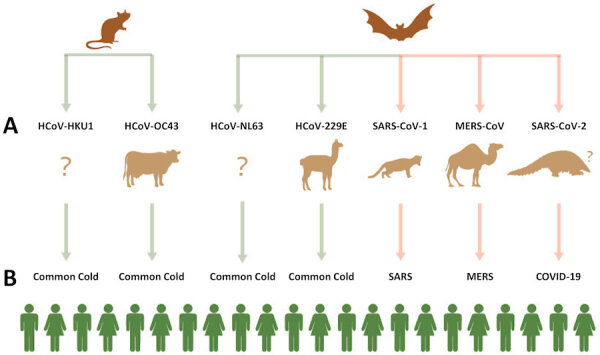
Figure 1. Zoonotic Origin of Human Coronaviruses (A) and the Resulting Diseases (B)
Upper line, reservoir hosts; middle line, intermediate hosts; bottom line, infected human hosts. COVID-19, coronavirus disease 2019; HCoV-229E, human coronavirus 229E; HCoV-NL63, human coronavirus Netherlands 63; HCoV-OC43, human coronavirus OC43; HCoV-HKU1, human coronavirus Hong Kong U1; MERS, Middle East respiratory syndrome; MERS-CoV, Middle East respiratory syndrome coronavirus; SARS, severe acute respiratory syndrome; SARS-CoV-1, severe acute respiratory syndrome coronavirus-1; SARS-CoV-2, severe acute respiratory syndrome coronavirus-2.
Figure 2
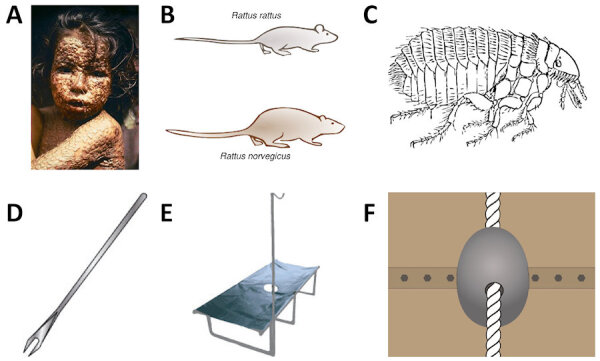
Figure 2. Illustrative Examples of Factors Affecting Spread (Top Row) or Control (Bottom Row) of Pandemics
A: Typical smallpox rash with extremely contagious pustular lesions. B: The two most common species of rats (reservoirs of Yersinia pestis). C: Xenopsylla cheopis (the rat flea), one of the vectors of Yersinia pestis, which transmits the infecting bacteria from rats to human beings. D: Bifurcated needle used for smallpox vaccination during the last decades of smallpox eradication. E: Cholera bed used to rehydrate patients with severe diarrhea; the drain in the middle is used to facilitate drainage of the copious diarrheal fluid. F: Cone barrier used to prevent rats from invading or leaving ships through the mooring ropes of the ship. Panel A from Wikipedia.com, Public Domain by CDC/James Hicks; Panel B modified from Wikipedia.com (CC BY-SA 3.0); Panel C from Pixabay.com.
Figure 3
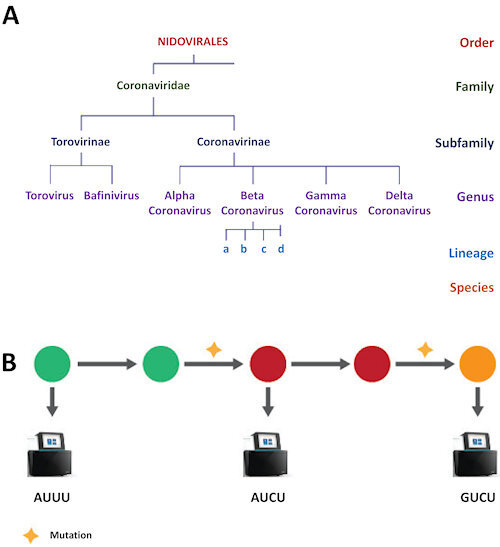
Figure 3. Genomics as a Useful Tool in Pandemics
A: Sequencing of representative isolates to create a phylogenetic tree of a coronavirus. B: Tracing a pandemic pathway. Specific viral isolates are sequenced to detect mutation and thereby reconstruct the chain of transmission. In panel B, each circle represents a coronavirus isolated from a patient. Different colors indicate a virus mutation. A genome sequencer device (machines in the figure) is used to determine the location and type of mutation: AUUU, a segment of the viral genome Adenine Uracil Uracil Uracil; AUCU, same segment of the genome after mutation Cytosine replacing middle Uracil; or GUCU, same segment of the genome following another mutation: Guanine replaced Adenine.

References

    1. Genomic epidemiology of novel coronavirus – Global subsampling. [accessed July 2, 2020]. Updated June 2020. Available at: https://nextstrain.org/ncov/global.
    1. Guan WJ, Ni ZY, Hu Y, et al. Clinical characteristics of coronavirus disease 2019 China. N Engl J Med. 2020;382:1708–20. doi: 10.1056/NEJMoa2002032. - DOI - PMC - PubMed
    1. Tay MZ, Poh CM, Rénia L, MacAry PA, Ng LFP. The trinity of COVID-19: immunity, inflammation and intervention. Nat Rev Immunol. 2020;20:363–74. doi: 10.1038/s41577-020-0311-8. - DOI - PMC - PubMed
    1. Moderna website. Moderna’s Work on a COVID-19 Vaccine Candidate. Moderna, Inc; 2020. [accessed July 2, 2020]. Available at: https://www.modernatx.com/modernas-work-potential-vaccine-against-covid-19.
    1. Inovio Website. Inovio Pharmaceuticals; 2020. [accessed July 2, 2020]. Inovio Urgently Focused On Developing Covid-19 Vaccine: Because the World Can’t Wait. Available at: https://www.inovio.com/our-focus-serving-patients/covid-19/