


Maternal and neonatal characteristics and outcomes among COVID-19 infected women: An updated systematic review and meta-analysis
- PMID: 32795828
- PMCID: PMC7373687
- DOI: 10.1016/j.ejogrb.2020.07.034
Maternal and neonatal characteristics and outcomes among COVID-19 infected women: An updated systematic review and meta-analysis
Abstract
Objective: Coronavirus disease 2019 (COVID-19) has become a global pandemic and may adversely affect pregnancy outcomes. We estimated the adverse maternal and neonatal characteristics and outcomes among COVID-19 infected women and determined heterogeneity in the estimates and associated factors.
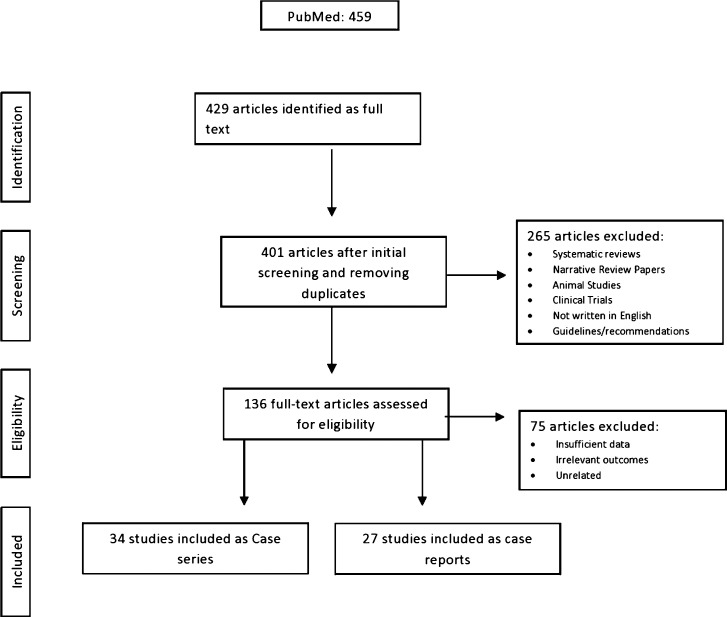
Study designs: PubMed search was performed of confirmed COVID-19 pregnant cases and related outcomes were ascertained prior to July 8, 2020, in this systematic review and meta-analysis. Studies reporting premature birth, low birth weight, COVID-19 infection in neonates, or mode of delivery status were included in the study. Two investigators independently performed searches, assessed quality of eligible studies as per the Cochrane handbook recommendations, extracted and reported data according to PRISMA guidelines. Pooled proportions of maternal and neonatal outcomes were estimated using meta-analyses for studies with varying sample sizes while a systematic review with descriptive data analysis was performed for case report studies. Maternal and neonatal outcomes included C-section, premature birth, low birth weight, adverse pregnancy events and COVID transmission in neonates.
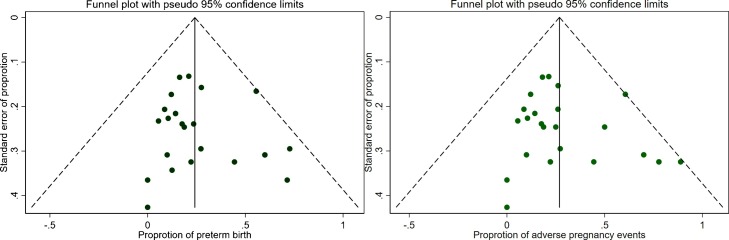
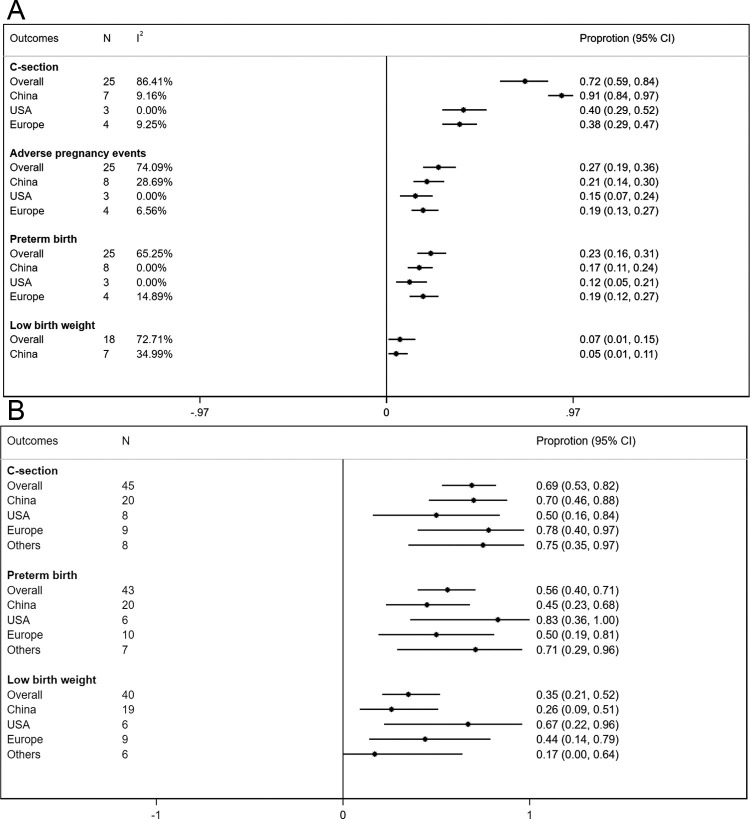
Results: A total of 790 COVID-19 positive females and 548 neonates from 61 studies were analyzed. The rates of C-section, premature birth, low birth weight, and adverse pregnancy events were estimated as 72 %, 23 %, 7 %, and 27 % respectively. In the heterogeneity analysis, the rate of C-section was substantially higher in Chinese studies (91 %) compared to the US (40 %) or European (38 %) studies. The rates of preterm birth and adverse pregnancy events were also lowest in the US studies (12 %, 15 %) compared to Chinese (17 %, 21 %), and European studies (19 %, 19 %). In case reports, the rates of C-section, preterm birth, and low birth weight were estimated as 69 %, 56 %, and 35 %, respectively. Adverse pregnancy outcomes were associated with infection acquired at early gestational ages, more symptomatic presentation, myalgia symptom at presentation, and use of oxygen support therapy.
Conclusions: Adverse pregnancy outcomes were prevalent in COVID-19 infected females and varied by location, type, and size of the studies. Regular screening and early detection of COVID-19 in pregnant women may provide more favorable outcomes.
Keywords: Adverse pregnancy outcomes; COVID-19; Cesarean section; Low birth weight; Meta-analysis; Preterm birth.
Copyright © 2020 Elsevier B.V. All rights reserved.
Conflict of interest statement
Declaration of Competing Interest The authors declare that they have no known competing financial interests or personal relationships that could have appeared to influence the work reported in this paper.
Figures
References
-
- Liu Y., Mao B., Liang S., Yang J.W., Lu H.W., Chai Y.H., et al. Association between ages and clinical characteristics and outcomes of coronavirus disease 2019. Eur Respir J. 2020
Publication types
MeSH terms
LinkOut - more resources
Full Text Sources
Medical
