


Bone metastasis classification using whole body images from prostate cancer patients based on convolutional neural networks application
- PMID: 32797099
- PMCID: PMC7428190
- DOI: 10.1371/journal.pone.0237213
Bone metastasis classification using whole body images from prostate cancer patients based on convolutional neural networks application
Abstract
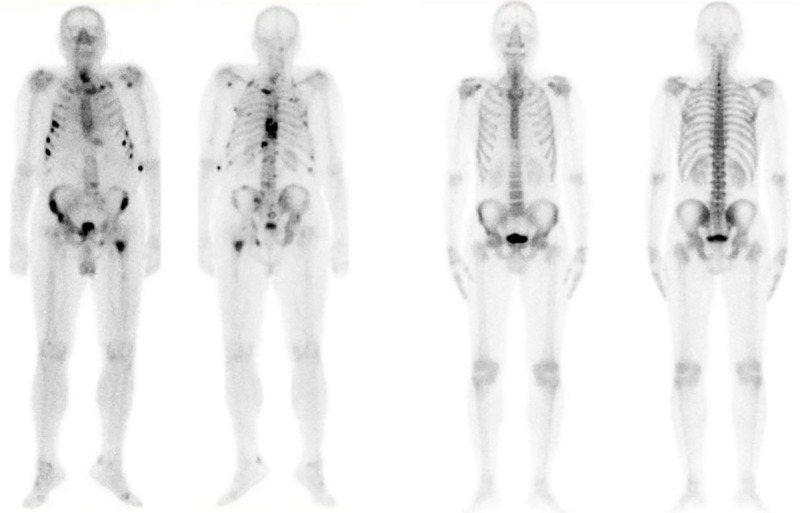
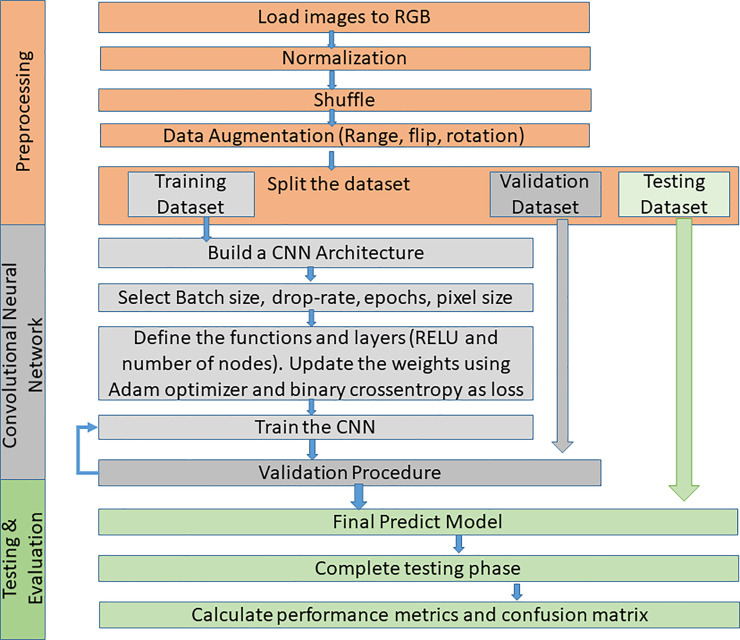
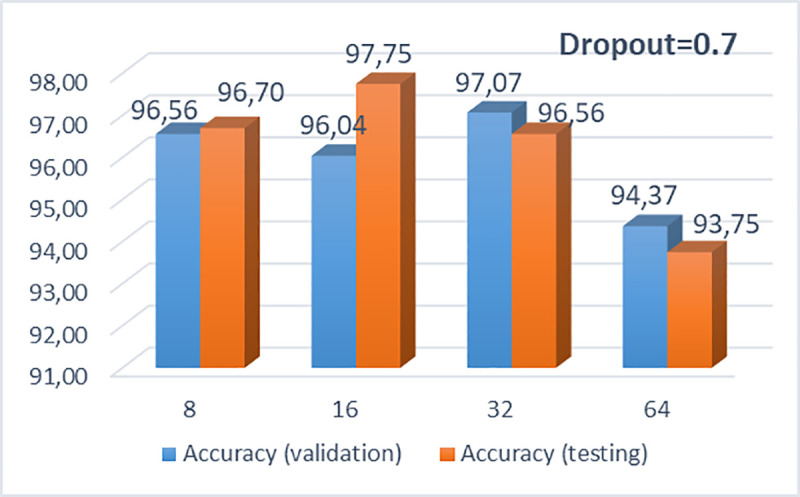
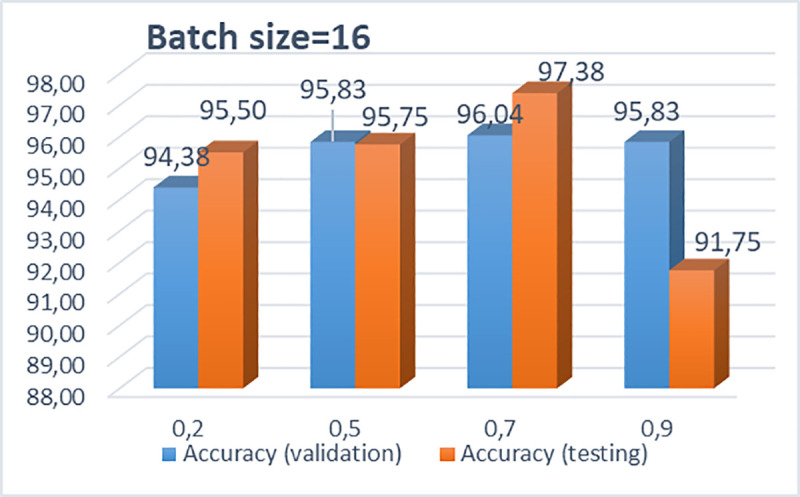
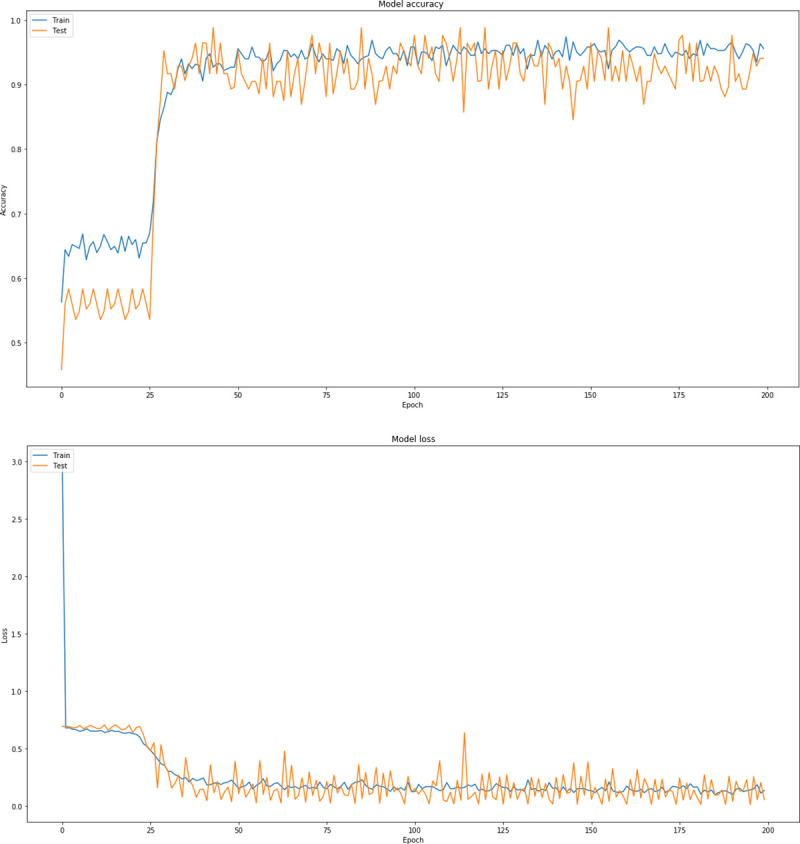
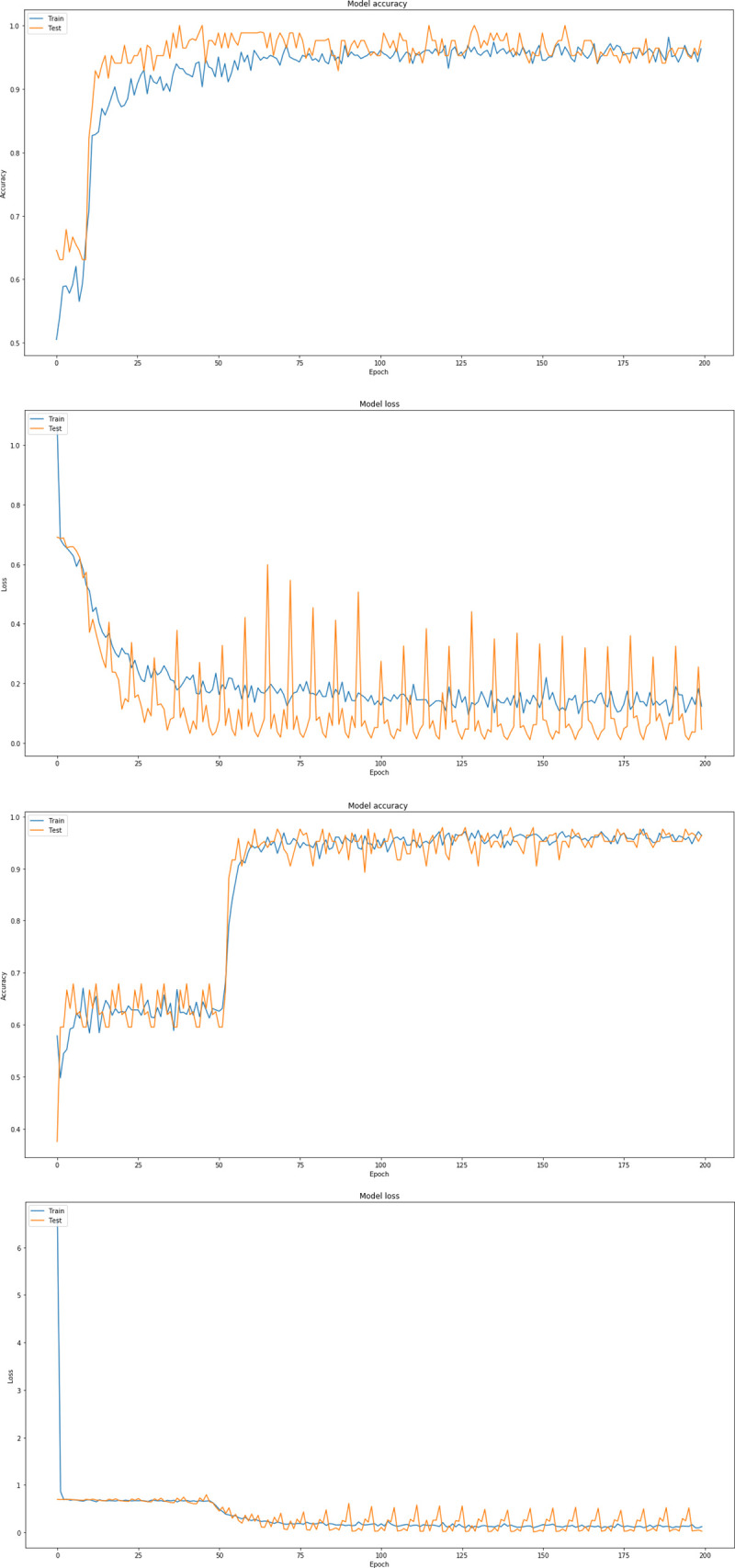
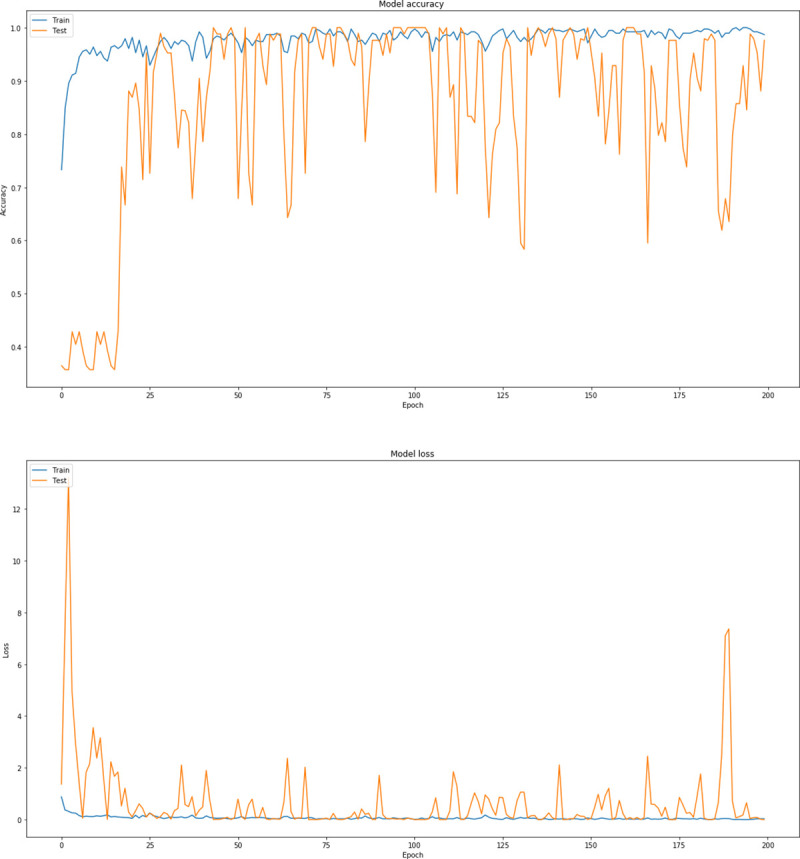
Bone metastasis is one of the most frequent diseases in prostate cancer; scintigraphy imaging is particularly important for the clinical diagnosis of bone metastasis. Up to date, minimal research has been conducted regarding the application of machine learning with emphasis on modern efficient convolutional neural networks (CNNs) algorithms, for the diagnosis of prostate cancer metastasis from bone scintigraphy images. The advantageous and outstanding capabilities of deep learning, machine learning's groundbreaking technological advancement, have not yet been fully investigated regarding their application in computer-aided diagnosis systems in the field of medical image analysis, such as the problem of bone metastasis classification in whole-body scans. In particular, CNNs are gaining great attention due to their ability to recognize complex visual patterns, in the same way as human perception operates. Considering all these new enhancements in the field of deep learning, a set of simpler, faster and more accurate CNN architectures, designed for classification of metastatic prostate cancer in bones, is explored. This research study has a two-fold goal: to create and also demonstrate a set of simple but robust CNN models for automatic classification of whole-body scans in two categories, malignant (bone metastasis) or healthy, using solely the scans at the input level. Through a meticulous exploration of CNN hyper-parameter selection and fine-tuning, the best architecture is selected with respect to classification accuracy. Thus a CNN model with improved classification capabilities for bone metastasis diagnosis is produced, using bone scans from prostate cancer patients. The achieved classification testing accuracy is 97.38%, whereas the average sensitivity is approximately 95.8%. Finally, the best-performing CNN method is compared to other popular and well-known CNN architectures used for medical imaging, like VGG16, ResNet50, GoogleNet and MobileNet. The classification results show that the proposed CNN-based approach outperforms the popular CNN methods in nuclear medicine for metastatic prostate cancer diagnosis in bones.
Conflict of interest statement
The authors have declared that no competing interests exist.
Figures


References
-
- Mingyu Z, Xin L, Yuan Q, Silong H, Yingjian Z, Wentao L, et al. Bone metastasis pattern of cancer patients with bone metastasis but no visceral metastasis. J Bone Oncol [Internet]. 2019. April;15 Available from: https://www.ncbi.nlm.nih.gov/pmc/articles/PMC6357895/ - PMC - PubMed
-
- Sartor O, DiBiase SJ. MD, Bone metastases in advanced prostate cancer: Clinical manifestations and diagnosis. 2018; Available from: https://www.uptodate.com/contents/bone-metastases-in-advanced-prostate-c...
-
- Sartor AO, DiBiase SJ. Bone metastases in advanced prostate cancer: Management. 2018; Available from: https://www.uptodate.com/contents/bone-metastases-in-advanced-prostate-c...
MeSH terms
LinkOut - more resources
Full Text Sources
Medical
