


Effects of crowding on the three main proteolytic mechanisms of skeletal muscle in rainbow trout (Oncorhynchus mykiss)
- PMID: 32799856
- PMCID: PMC7429773
- DOI: 10.1186/s12917-020-02518-w
Effects of crowding on the three main proteolytic mechanisms of skeletal muscle in rainbow trout (Oncorhynchus mykiss)
Abstract
Background: Skeletal muscle is one of the tissues most affected by stress conditions. The protein degradation in this tissue is vital for the supply of energy mediated by different proteolytic pathways such as the ubiquitin-proteasome (UPS), autophagy-lysosome (ALS) and the calpain/calpastatin system (CCS). Nevertheless, the regulation of this proteolytic axis under stress conditions is not yet completely clear. Chile is the main producer of rainbow trout (Oncorhynchus mykiss) in the world. This intensive fish farming has resulted in growing problems as crowding and stress are one of the major problems in the freshwater stage. In this context, we evaluated the crowding effect in juvenile rainbow trout kept in high stocking density (30 kg/m3) for 15, 45 and 60 days, using a control group of fish (10 kg/m3).
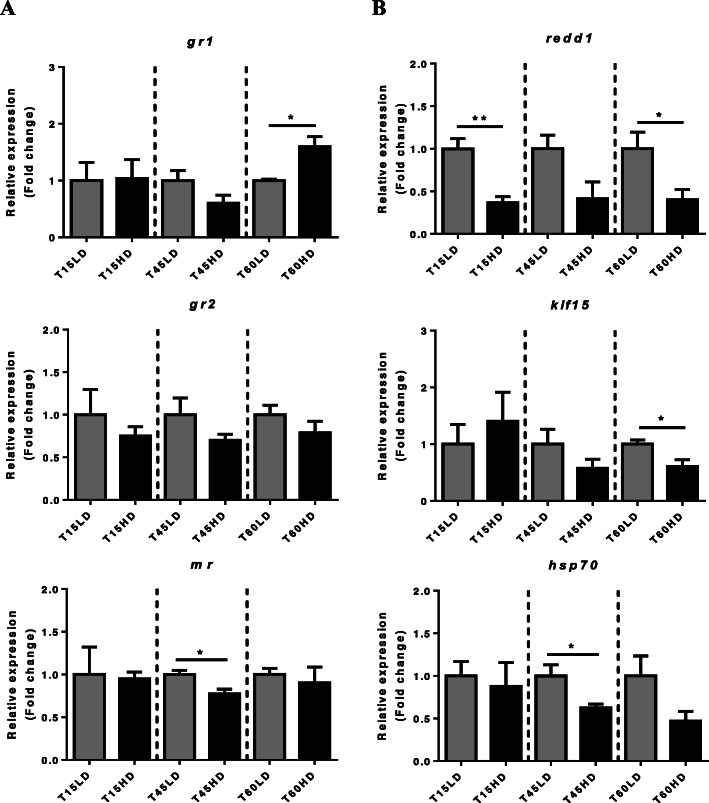
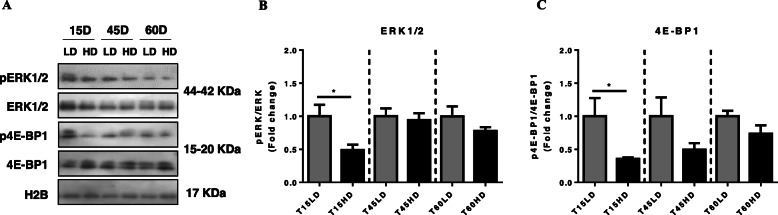
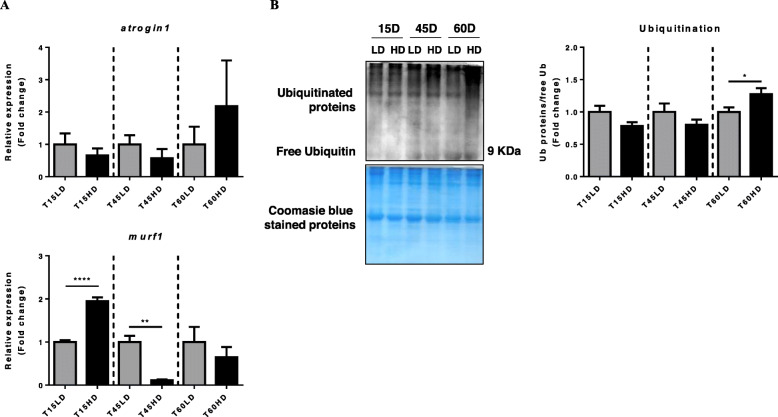
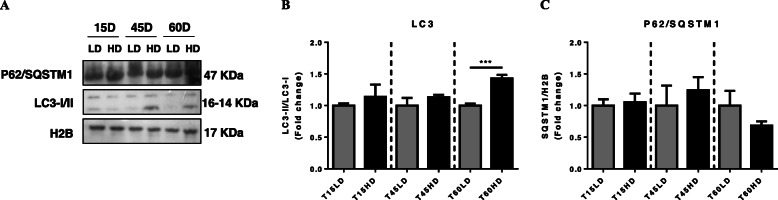
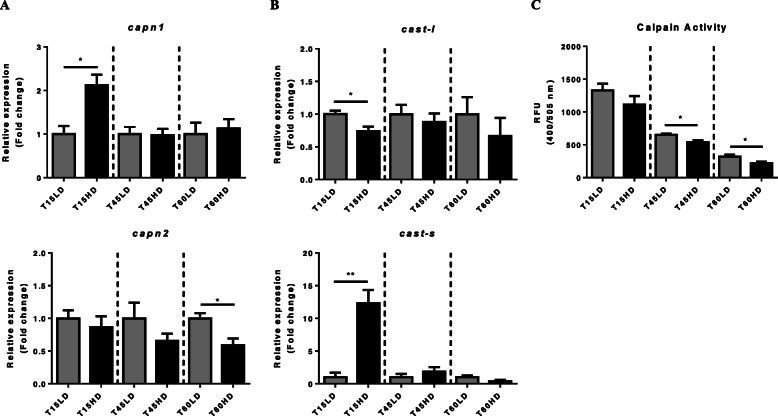
Results: Plasmatic cortisol and glucose were evaluated by enzyme immunoassay. The mRNA levels of stress-related genes (gr1, gr2, mr, hsp70, klf15 and redd1), markers of the UPS (atrogin1 and murf1) and CCS (capn1, capn1, cast-l and cast-s) were evaluated using qPCR. ALS (LC3-I/II and P62/SQSTM1) and growth markers (4E-BP1 and ERK) were measured by Western blot analysis. The cortisol levels increased concomitantly with weight loss at 45 days of crowding. The UPS alone was upregulated at 15 days of high stocking density, while ALS activation was observed at 60 days. However, the CCS was inactivated during the entire trial.
Conclusion: All these data suggest that stress conditions, such as crowding, promote muscle degradation in a time-dependent manner through the upregulation of the UPS at early stages of chronic stress and activation of the ALS in long-term stress, while the CCS is strongly inhibited by stress conditions in the rainbow trout muscle farmed during freshwater stage. Our descriptive study will allow perform functional analysis to determine, in a more detailed way, the effect of stress on skeletal muscle physiology as well as in the animal welfare in rainbow trout. Moreover, it is the first step to elucidate the optimal crop density in the freshwater stage and improve the standards of Chilean aquaculture.
Keywords: Autophagy; Calpain/calpastatin; Fish; Stress response; Ubiquitin-proteasome.
Conflict of interest statement
The authors declare that they have no competing interest.
Figures
References
-
- Avendaño-Herrera R. Proper antibiotics use in the Chilean salmon industry: policy and technology bottlenecks. Aquaculture. 2018;495:803–805.
-
- FAO. 2018. El estado mundial de la pesca y la acuicultura 2018. Cumplir los objetivos de desarrollo sostenible. Roma. Licencia: CC BY-NC-SA 3.0 IGO.
-
- Johnston I, Bower N, Macqueen D. Growth and the regulation of myotomal muscle mass in teleost fish. J Exp Biol. 2011;214(10):1617–1628. - PubMed
-
- Valenzuela C, Zuloaga R, Mercado L, Einarsdottir I, Björnsson B, Valdés J, et al. Chronic stress inhibits growth and induces proteolytic mechanisms through two different nonoverlapping pathways in the skeletal muscle of a teleost fish. Am J Physiol Regul Integr Comp Physiol. 2018;314(1):R102–R113. - PubMed
-
- Nemova N, Lysenko L, Kantserova N. Degradation of skeletal muscle protein during growth and development of salmonid fish. Russ J Dev Biol. 2016;47(4):161–172. - PubMed
MeSH terms
Substances
Grants and funding
LinkOut - more resources
Full Text Sources
Miscellaneous
