


Individual variability of olfactory fMRI in normosmia and olfactory dysfunction
- PMID: 32803385
- PMCID: PMC7826297
- DOI: 10.1007/s00405-020-06233-y
Individual variability of olfactory fMRI in normosmia and olfactory dysfunction
Abstract
Purpose: The diagnosis of olfactory dysfunction is mainly based on psychophysical measurements. The aim of the current study was to investigate how well the olfactory functional magnetic resonance imaging (fMRI) can effectively distinguish between normosmic people and subjects with olfactory dysfunction.
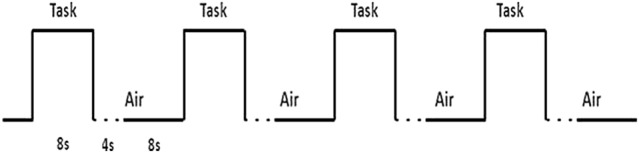
Methods: Thirty-eight participants were recruited for the study. Group 1 consisted of 22 subjects with olfactory dysfunction (mean age = 44.3 years, SD = 18.6), and Group two consisted of 16 participants with normal olfactory function (mean age = 49.6 years, SD = 11.6). Olfactory functions were assessed in great detail for all participants, and brain activation in response to odorous stimulation was assessed using fMRI.
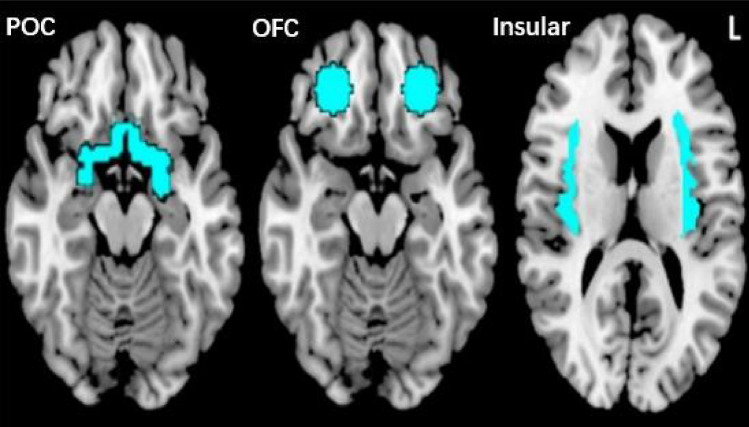
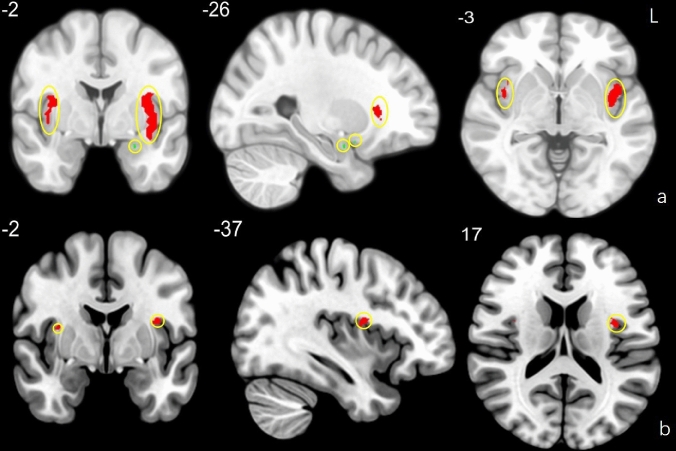
Results: The between-group comparison showed stronger odor induced brain activation of the primary olfactory area and the insular cortex among the normosmic group as compared to the dysosmic group. As indicated by the individual analysis, positive responses in the primary olfactory cortex were significantly higher in normosmic people (94%) than in subjects with olfactory dysfunction (41%). However, there was no association between individual fMRI parameters (including the percentage of BOLD signal change, activated cluster size and peak z value), and psychophysical olfactory test scores. Receiver operating characteristic analysis suggested the subjects could not be differentiated from normosmics based on their BOLD signal from the primary olfactory area, orbitofrontal cortex, or the insular cortex.
Conclusion: There are large inter-individual variabilities for odor-induced brain activation among normosmic subjects and subjects with olfactory dysfunction, due to this variation, at present it appears problematic to diagnose olfactory dysfunction on an individual level using fMRI.
Keywords: Individual variability; Objective diagnosis; Olfactory dysfunction; fMRI.
Conflict of interest statement
This research received financial support by the Deutsche Forschungsgemeinschaft to TH (DFG HU411/18-1). All other authors declare that they have no conflict of interest.
Figures
References
-
- Hummel T, Whitcroft KL, Andrews P, et al. Position paper on olfactory dysfunction. Rhinology. 2020;56(1):1–30. - PubMed
MeSH terms
LinkOut - more resources
Full Text Sources
Medical
Research Materials
