


Heat shock drives genomic instability and phenotypic variations in yeast
- PMID: 32804300
- PMCID: PMC7431486
- DOI: 10.1186/s13568-020-01091-7
Heat shock drives genomic instability and phenotypic variations in yeast
Abstract
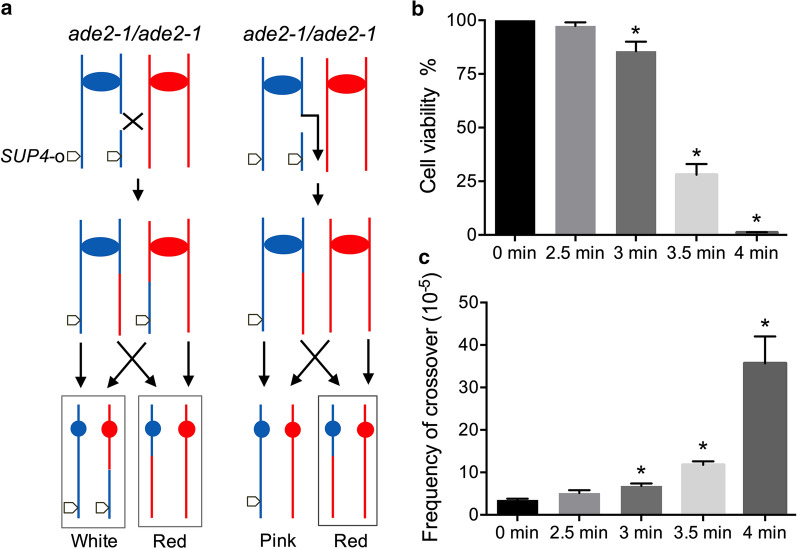
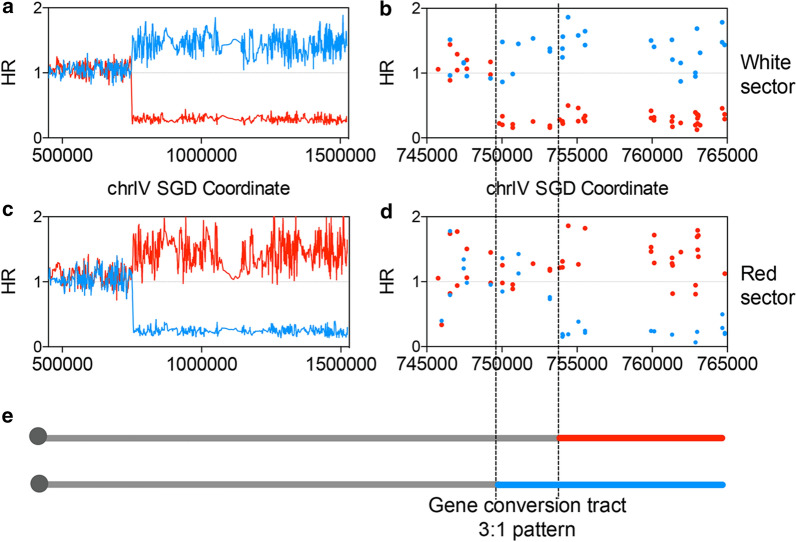
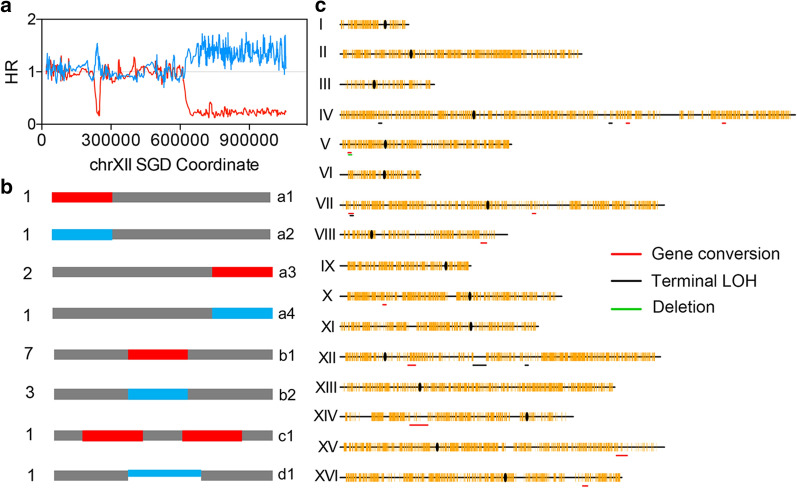
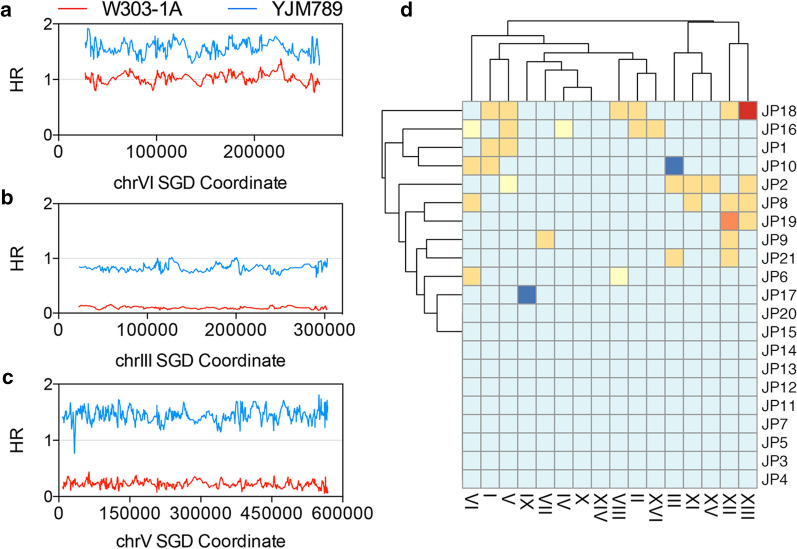
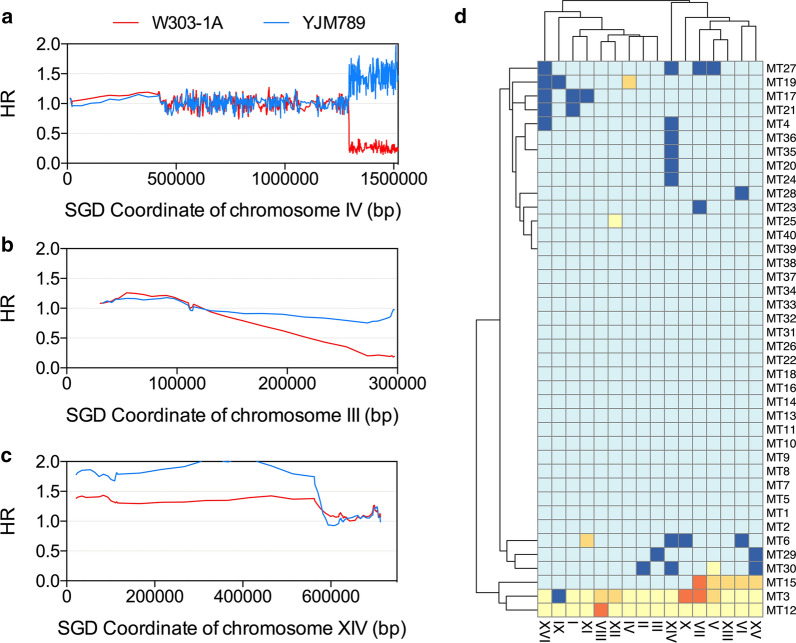
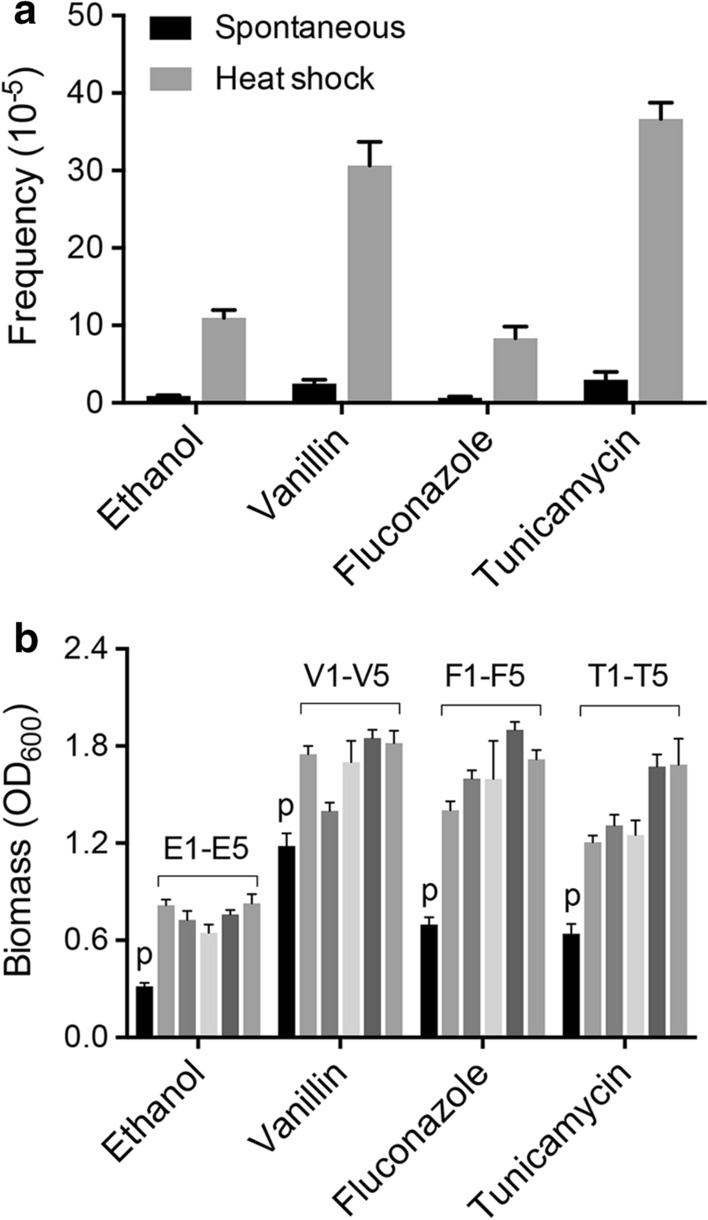
High temperature causes ubiquitous environmental stress to microorganisms, but studies have not fully explained whether and to what extent heat shock would affect genome stability. Hence, this study explored heat-shock-induced genomic alterations in the yeast Saccharomyces cerevisiae. Using genetic screening systems and customized single nucleotide polymorphism (SNP) microarrays, we found that heat shock (52 °C) for several minutes could heighten mitotic recombination by at least one order of magnitude. More than half of heat-shock-induced mitotic recombinations were likely to be initiated by DNA breaks in the S/G2 phase of the cell cycle. Chromosomal aberration, mainly trisomy, was elevated hundreds of times in heat-shock-treated cells than in untreated cells. Distinct chromosomal instability patterns were also observed between heat-treated and carbendazim-treated yeast cells. Finally, we demonstrated that heat shock stimulates fast phenotypic evolutions (such as tolerance to ethanol, vanillin, fluconazole, and tunicamycin) in the yeast population. This study not only provided novel insights into the effect of temperature fluctuations on genomic integrity but also developed a simple protocol to generate an aneuploidy mutant of yeast.
Keywords: Aneuploidy; Heat shock; Mitotic recombination; Phenotypic evolution; Yeast.
Conflict of interest statement
The authors declare that they have no competing interests.
Figures
References
-
- Abdelbanat BMA, Hoshida H, Ano A, Nonklang S, Akada R. High-temperature fermentation: how can processes for ethanol production at high temperatures become superior to the traditional process using mesophilic yeast? Appl Microbiol Biotechnol. 2010;85:861–867. doi: 10.1007/s00253-009-2248-5. - DOI - PubMed
-
- Charles JS, Hazkani-Covo E, Yin Y, Andersen SL, Dietrich FS, Greenwell PW, Malc E, Mieczkowski P, Petes TD. High-resolution genome-wide analysis of irradiated (UV and gamma rays) diploid yeast cells reveals a high frequency of genomic loss of heterozygosity (LOH) events. Genetics. 2012;190:1267–1284. doi: 10.1534/genetics.111.137927. - DOI - PMC - PubMed
Grants and funding
LinkOut - more resources
Full Text Sources
Molecular Biology Databases
