


Switch Control Inhibition of KIT and PDGFRA in Patients With Advanced Gastrointestinal Stromal Tumor: A Phase I Study of Ripretinib
- PMID: 32804590
- PMCID: PMC7526717
- DOI: 10.1200/JCO.20.00522
Switch Control Inhibition of KIT and PDGFRA in Patients With Advanced Gastrointestinal Stromal Tumor: A Phase I Study of Ripretinib
Abstract
Purpose: In advanced gastrointestinal stromal tumor (GIST), there is an unmet need for therapies that target both primary and secondary mutations of pathogenic KIT/PDGFRA oncoproteins. Ripretinib is a novel switch-control kinase inhibitor designed to inhibit a wide range of KIT and PDGFRA mutations.
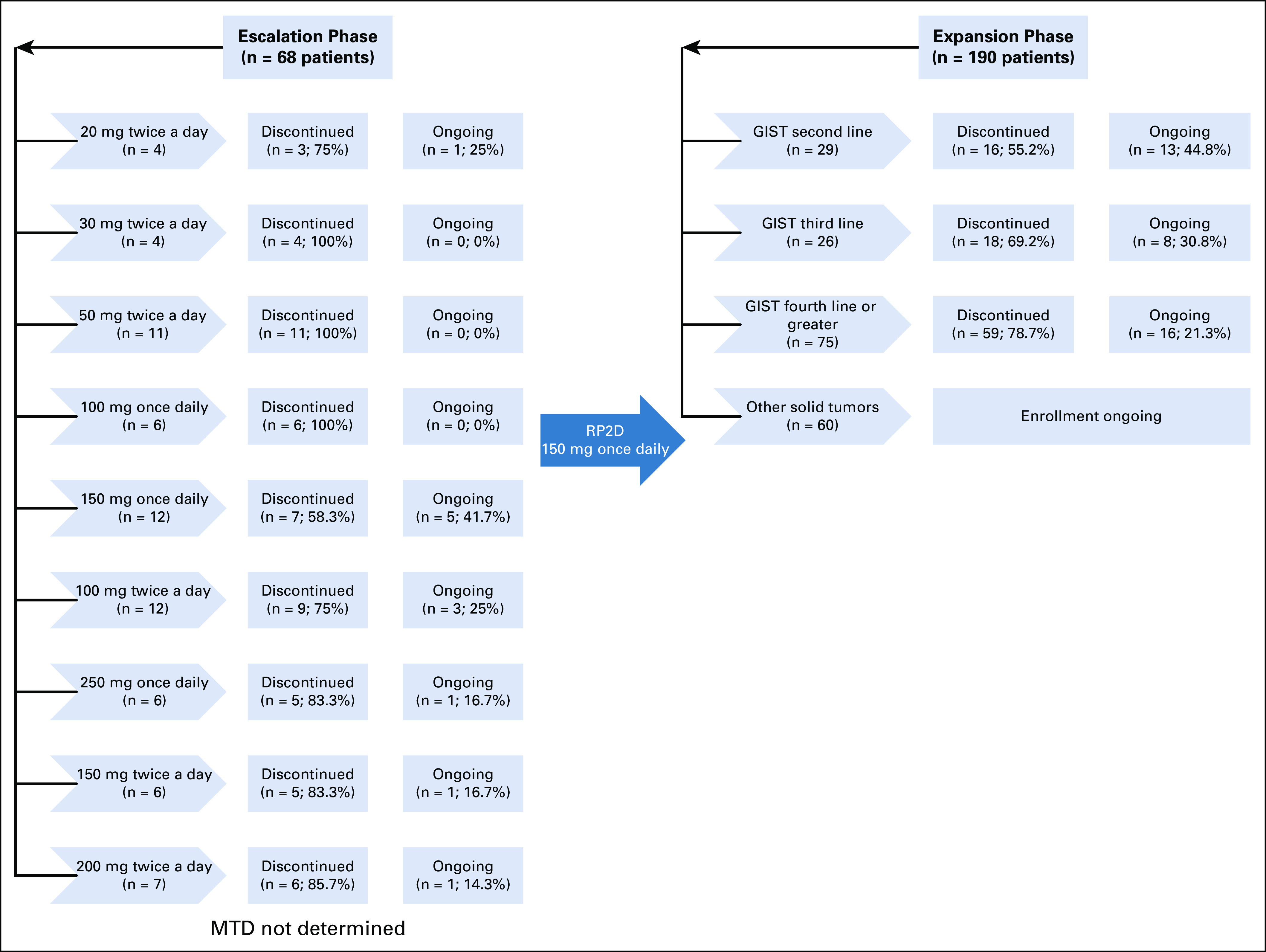
Patients and methods: This first-in-human, to our knowledge, phase I study of ripretinib (ClinicalTrials.gov identifier: NCT02571036) included a dose-escalation phase and subsequent expansion phase at the recommended phase II dose (RP2D). Eligible patients included those with advanced GIST, intolerant to or experienced progression on ≥ 1 line of systemic therapy, and other advanced malignancies. Safety, dose-limiting toxicities (DLTs), maximum-tolerated dose (MTD), and preliminary antitumor activity were evaluated.
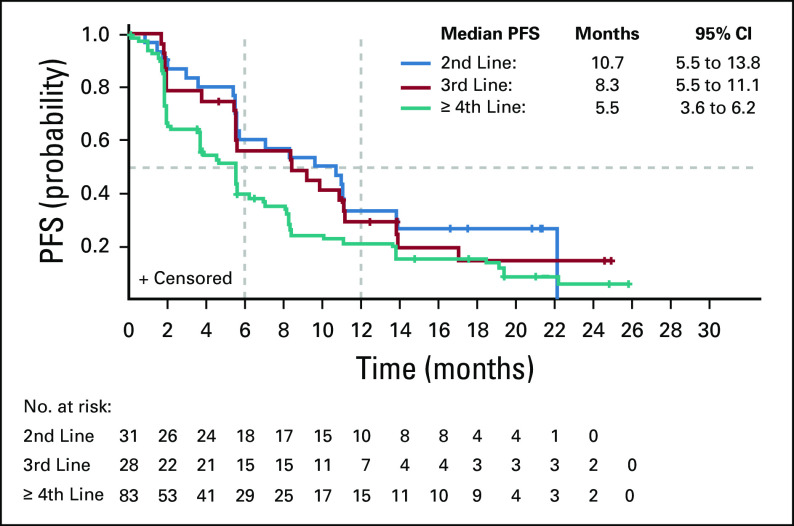
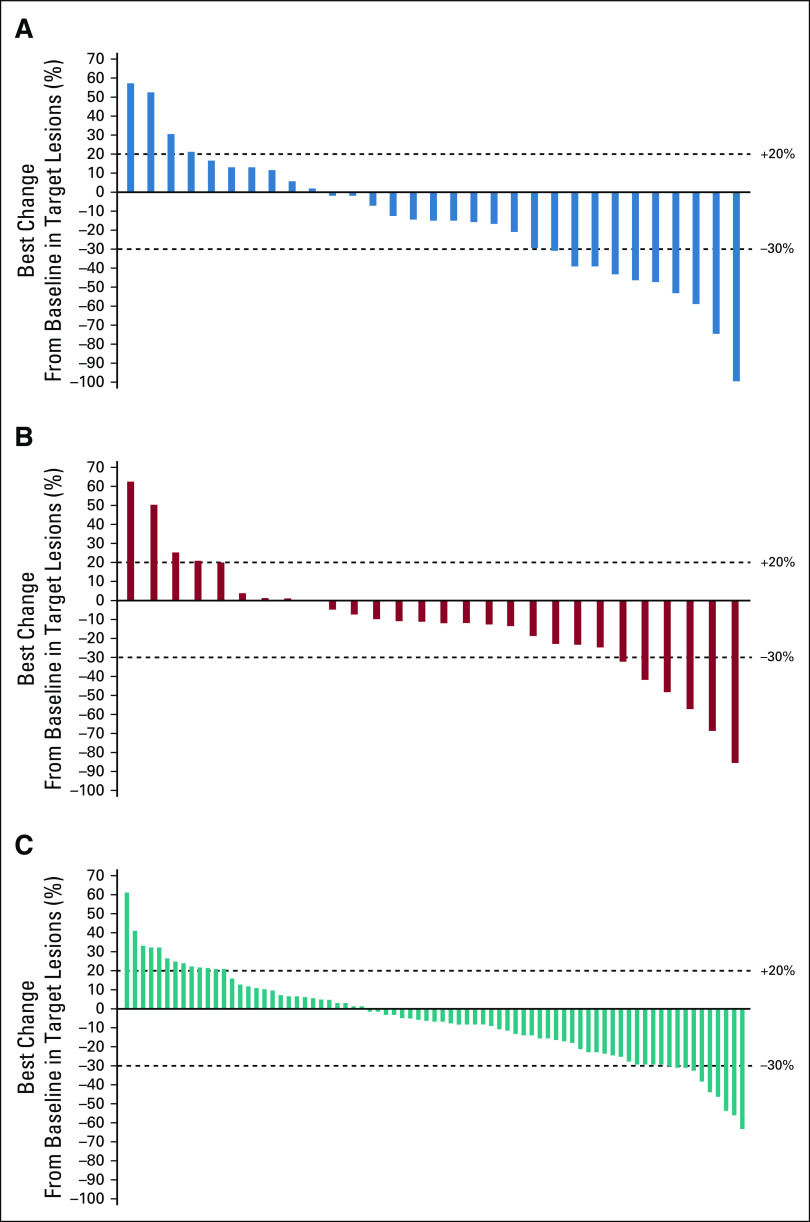
Results: At data cutoff (August 31, 2019), 258 patients (n = 184 GIST) were enrolled, with 68 patients in the dose-escalation phase. Three DLTs were reported: grade 3 lipase increase (n = 2; 100 mg and 200 mg twice a day) and grade 4 increased creatine phosphokinase (n = 1; 150 mg once daily). MTD was not reached (maximum dose evaluated, 200 mg twice a day); 150 mg once daily was established as the RP2D. The most frequent (> 30%) treatment-emergent adverse events in patients with GIST receiving ripretinib 150 mg once daily (n = 142) were alopecia (n = 88 [62.0%]), fatigue (n = 78 [54.9%]), myalgia (n = 69 [48.6%]), nausea (n = 65 [45.8%]), palmar-plantar erythrodysesthesia (n = 62 [43.7%]), constipation (n = 56 [39.4%]), decreased appetite (n = 48 [33.8%]), and diarrhea (n = 47 [33.1%]). Objective response rate (confirmed) of 11.3% (n = 16/142) ranging from 7.2% (n = 6/83; fourth line or greater) to 19.4% (n = 6/31; second line) and median progression-free survival ranging from 5.5 months (fourth line or greater) to 10.7 months (second line), on the basis of investigator assessment, were observed.
Conclusion: Ripretinib is a well-tolerated, novel inhibitor of KIT and PDGFRA mutant kinases with promising activity in patients with refractory advanced GIST.
Figures
References
-
- Heinrich MC, Corless CL, Demetri GD, et al. Kinase mutations and imatinib response in patients with metastatic gastrointestinal stromal tumor. J Clin Oncol. 2003;21:4342–4349. - PubMed
-
- Garcia-Montero AC, Jara-Acevedo M, Teodosio C, et al. KIT mutation in mast cells and other bone marrow hematopoietic cell lineages in systemic mast cell disorders: A prospective study of the Spanish Network on Mastocytosis (REMA) in a series of 113 patients. Blood. 2006;108:2366–2372. - PubMed
-
- Hermanson M, Funa K, Hartman M, et al. Platelet-derived growth factor and its receptors in human glioma tissue: Expression of messenger RNA and protein suggests the presence of autocrine and paracrine loops. Cancer Res. 1992;52:3213–3219. - PubMed
-
- Casali PG, Zalcberg J, Le Cesne A, et al. Ten-year progression-free and overall survival in patients with unresectable or metastatic GI stromal tumors: Long-term analysis of the European Organisation for Research and Treatment of Cancer, Italian Sarcoma Group, and Australasian Gastrointestinal Trials Group intergroup phase III randomized trial on imatinib at two dose levels. J Clin Oncol. 2017;35:1713–1720. - PubMed
Publication types
MeSH terms
Substances
Associated data
Grants and funding
LinkOut - more resources
Full Text Sources
Medical
Miscellaneous
