


Multidisciplinary aortopathy clinics: A systematic scoping review of the literature and evaluation of patient experiences from a newly started clinic in Norway
- PMID: 32812338
- PMCID: PMC7693247
- DOI: 10.1002/ajmg.a.61827
Multidisciplinary aortopathy clinics: A systematic scoping review of the literature and evaluation of patient experiences from a newly started clinic in Norway
Abstract
Background: International guidelines recommend hereditary thoracic aortic diseases (HTADs) to be managed in multidisciplinary aorta clinics.
Aim: To study HTAD patient's experiences with a aortopathy clinic in Norway and to review the literature on aortopathy clinics.
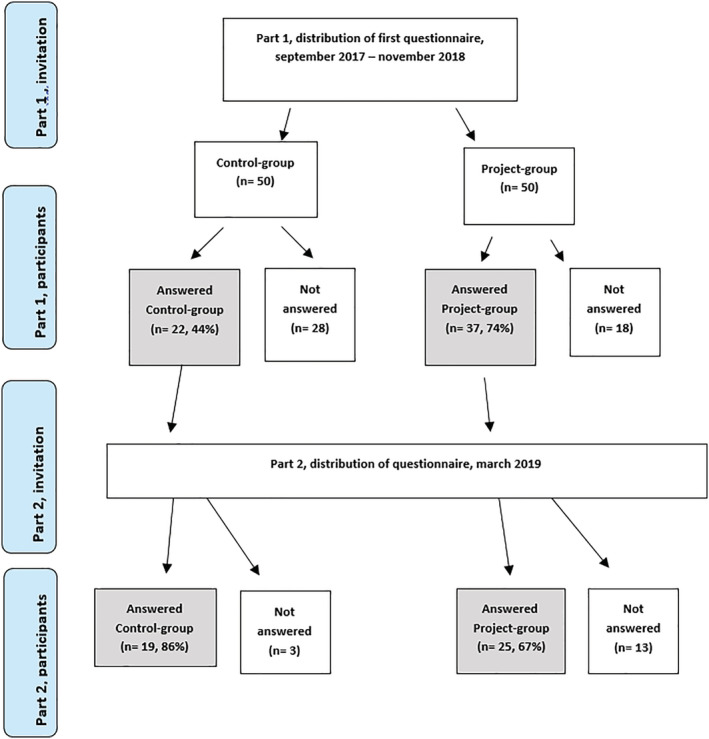
Methods: (a) A systematic scoping review of research on multidisciplinary clinics for HTADs. (b) A cross-sectional postal questionnaire study to investigate patient experiences with the health-services. Fifty consecutive patients from the aortopathy clinic and 50 controls in usual care were invited to participate.
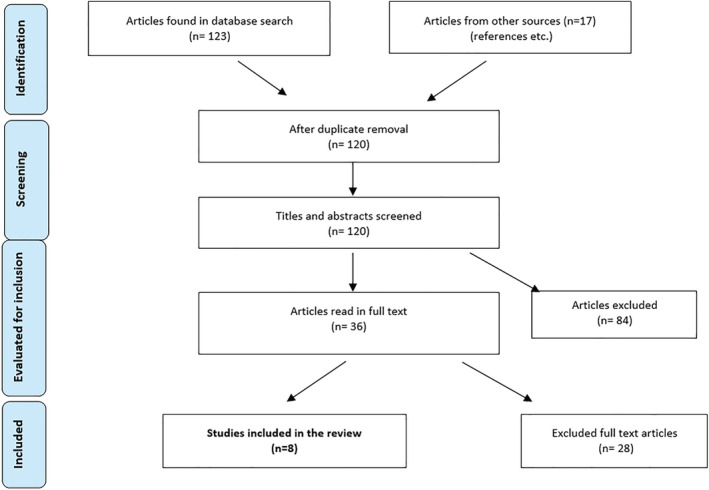
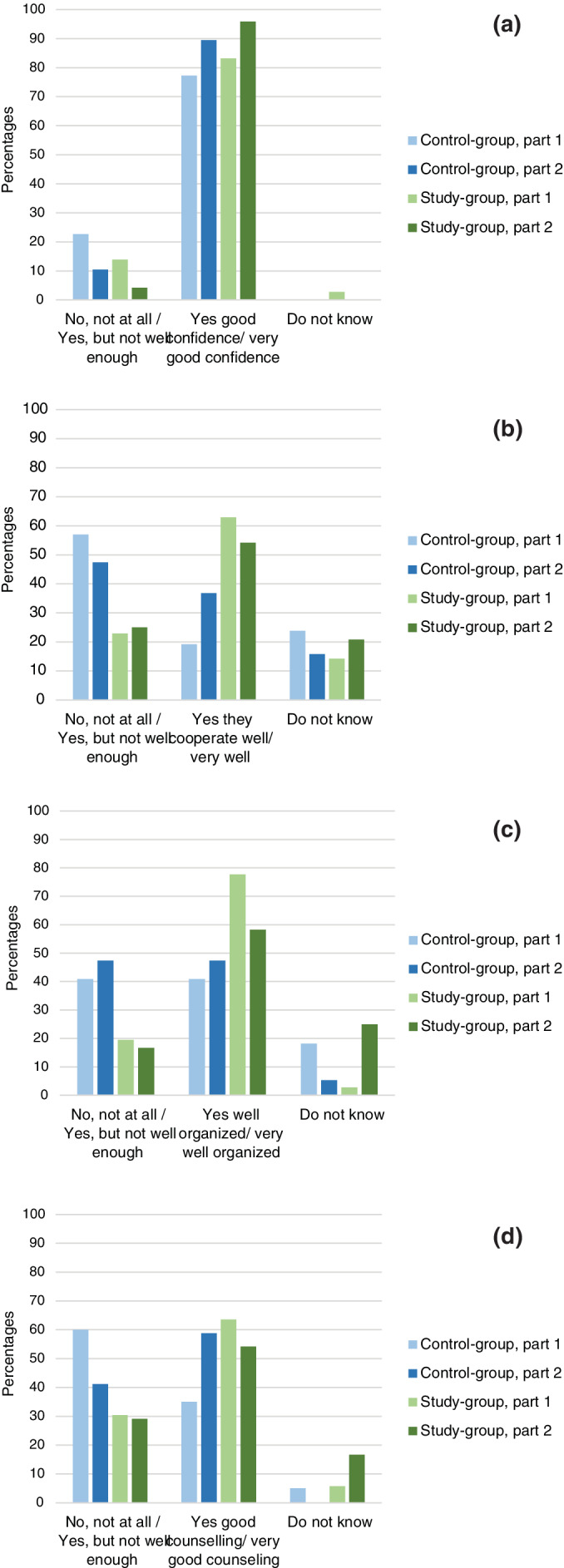
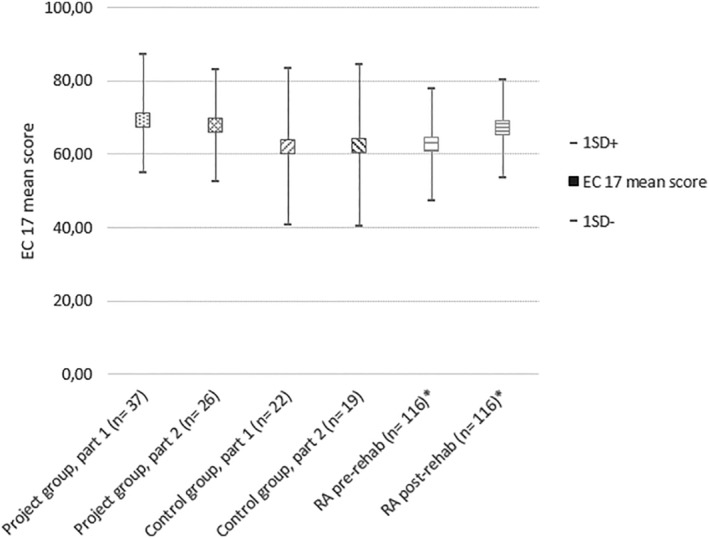
Results: The review identified eight publications on aortopathy clinics. Although the papers were not judged for quality, these showed promising results from such clinics in terms of diagnostics and increased adherence to guideline-directed therapy. The survey constituted thirty-seven (74%) patients and 22 (44%) controls who responded to postal questionnaires. Both groups reported delays in diagnostics and follow-up appointments prior to the start of the clinic. Patients indicated high satisfaction with the aortopathy clinic, whereas controls reported poor coordination of medical follow-up. Individuals in both groups struggled with disease self-management.
Conclusion: Norwegian patient experiences found the aortopathy clinic beneficial. According to studies included in the review, disease management in aortopathy clinics may improve patient satisfaction, diagnostics and follow-up. Effect studies may further document the benefits of clinic organization, treatment, cost-efficiency and patient experiences.
Keywords: Marfan clinic; cardiac genetics clinic; hereditary aortic dilation and dissection; hereditary aortic disease; multidisciplinary aortopathy clinic.
© 2020 The Authors. American Journal of Medical Genetics Part A published by Wiley Periodicals LLC.
Conflict of interest statement
The authors declare no potential conflict of interest.
Figures
References
-
- Andvik, S. , Sherrah, A. , & Jeremy, R. (2011). Improved care for thoracic aortic aneurysm‐ two decades experience. Heart Lung and Circulation, 2, S224–S225.
-
- Blankart, C. R. , Milstein, R. , Rybczynski, M. , Schüler, H. , & von Kodolitsch, Y. (2016). Economic and care considerations of Marfan syndrome. Expert Review of Pharmacoeconomics Outcomes Research, 16(5), 591–598. - PubMed
-
- Boodhwani, M. , Andelfinger, G. , Leipsic, J. , Lindsay, T. , McMurtry, M. S. , Therrien, J. , & Siu, S. C. (2014). Canadian cardiovascular society position statement on the management of thoracic aortic disease. The Canadian Journal of Cardiology, 30(6), 577–589. 10.1016/j.cjca.2014.02.018 - DOI - PubMed
-
- Bradley, T. J. , Alvarez, N. A. M. , & Horne, S. G. (2016). A practical guide to clinical management of thoracic aortic disease. Canadian Journal of Cardiology, 32(1), 124–130. - PubMed
Publication types
MeSH terms
LinkOut - more resources
Full Text Sources
