


Gestational exposures to organophosphorus insecticides: From acute poisoning to developmental neurotoxicity
- PMID: 32814088
- PMCID: PMC7655673
- DOI: 10.1016/j.neuropharm.2020.108271
Gestational exposures to organophosphorus insecticides: From acute poisoning to developmental neurotoxicity
Abstract
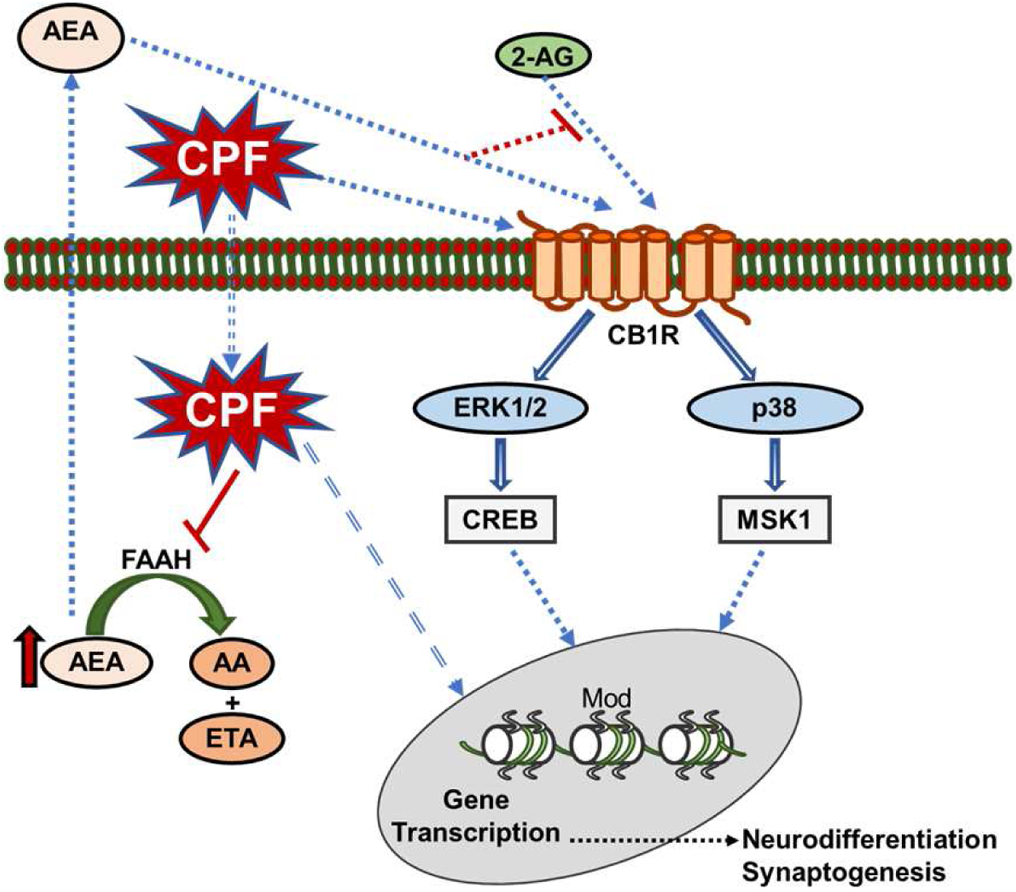
For over three-quarters of a century, organophosphorus (OP) insecticides have been ubiquitously used in agricultural, residential, and commercial settings and in public health programs to mitigate insect-borne diseases. Their broad-spectrum insecticidal effectiveness is accounted for by the irreversible inhibition of acetylcholinesterase (AChE), the enzyme that catalyzes acetylcholine (ACh) hydrolysis, in the nervous system of insects. However, because AChE is evolutionarily conserved, OP insecticides are also toxic to mammals, including humans, and acute OP intoxication remains a major public health concern in countries where OP insecticide usage is poorly regulated. Environmental exposures to OP levels that are generally too low to cause marked inhibition of AChE and to trigger acute signs of intoxication, on the other hand, represent an insidious public health issue worldwide. Gestational exposures to OP insecticides are particularly concerning because of the exquisite sensitivity of the developing brain to these insecticides. The present article overviews and discusses: (i) the health effects and therapeutic management of acute OP poisoning during pregnancy, (ii) epidemiological studies examining associations between environmental OP exposures during gestation and health outcomes of offspring, (iii) preclinical evidence that OP insecticides are developmental neurotoxicants, and (iv) potential mechanisms underlying the developmental neurotoxicity of OP insecticides. Understanding how gestational exposures to different levels of OP insecticides affect pregnancy and childhood development is critical to guiding implementation of preventive measures and direct research aimed at identifying effective therapeutic interventions that can limit the negative impact of these exposures on public health.
Keywords: Acetylcholinesterase; Cannabinoid type 1 receptor; Developmental neurotoxicity; Endocannabinoids; Organophosphorus.
Copyright © 2020 Elsevier Ltd. All rights reserved.
Figures
References
Publication types
MeSH terms
Substances
Grants and funding
LinkOut - more resources
Full Text Sources
Miscellaneous
