. 2020 Aug 19;11(8):656.
doi: 10.1038/s41419-020-02842-x.

On-target versus off-target effects of drugs inhibiting the replication of SARS-CoV-2

Affiliations

On-target versus off-target effects of drugs inhibiting the replication of SARS-CoV-2

Allan Sauvat et al. Cell Death Dis. .

Abstract

The current epidemic of coronavirus disease-19 (COVID-19) caused by severe acute respiratory syndrome coronavirus-2 (SARS-CoV-2) calls for the development of inhibitors of viral replication. Here, we performed a bioinformatic analysis of published and purported SARS-CoV-2 antivirals including imatinib mesylate that we found to suppress SARS-CoV-2 replication on Vero E6 cells and that, according to the published literature on other coronaviruses is likely to act on-target, as a tyrosine kinase inhibitor. We identified a cluster of SARS-CoV-2 antivirals with characteristics of lysosomotropic agents, meaning that they are lipophilic weak bases capable of penetrating into cells. These agents include cepharentine, chloroquine, chlorpromazine, clemastine, cloperastine, emetine, hydroxychloroquine, haloperidol, ML240, PB28, ponatinib, siramesine, and zotatifin (eFT226) all of which are likely to inhibit SARS-CoV-2 replication by non-specific (off-target) effects, meaning that they probably do not act on their 'official' pharmacological targets, but rather interfere with viral replication through non-specific effects on acidophilic organelles including autophagosomes, endosomes, and lysosomes. Imatinib mesylate did not fall into this cluster. In conclusion, we propose a tentative classification of SARS-CoV-2 antivirals into specific (on-target) versus non-specific (off-target) agents based on their physicochemical characteristics.


Conflict of interest statement

The authors declare that they have no conflict of interest.

Figures
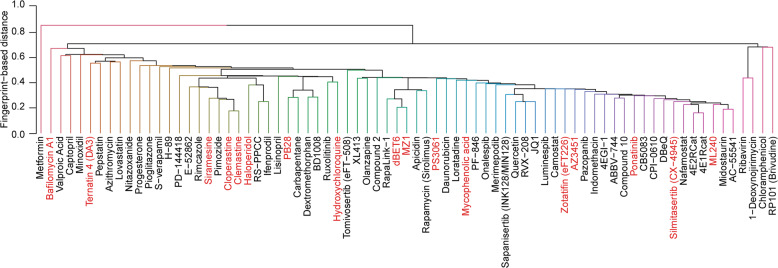
Fig. 1
Fig. 1. Classification of putative SARS-CoV-2 replication inhibitors.
A hierarchical clustering was applied to the distance matrix computed using compounds pairwise fingerprint similarity calculations. The branches of the dendrogram are colored based on a cut-off distance of 0.15. Compounds in red correspond to hits identified in Paris and/or New York.
Fig. 2
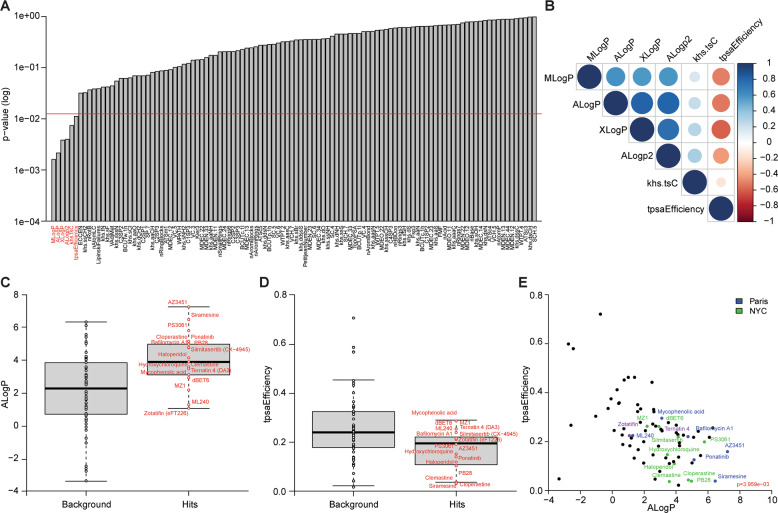
Fig. 2. Determination of discriminating chemical descriptors.
a Molecular descriptors were computed by using the CDK library and were compared individually between hit and background groups by means of a Mann–Whitney test. The obtained p-values are ranked and reported in a barchart. Descriptors with a p-value < 0.0125 are depicted in red, and were submitted to a correlation analysis. The resulting correlation matrix indicating Pearson’s R coefficients is shown in b. ce Two of the relevant descriptors with lowest intra-group deviations were selected. Their distributions into hits or background are depicted as boxplots (c, d) or reported as a bi-parametric dot plot (e). A 2-D statistical test was performed by means of a Hotelling test; the resulting p-value is reported in red.
Fig. 3
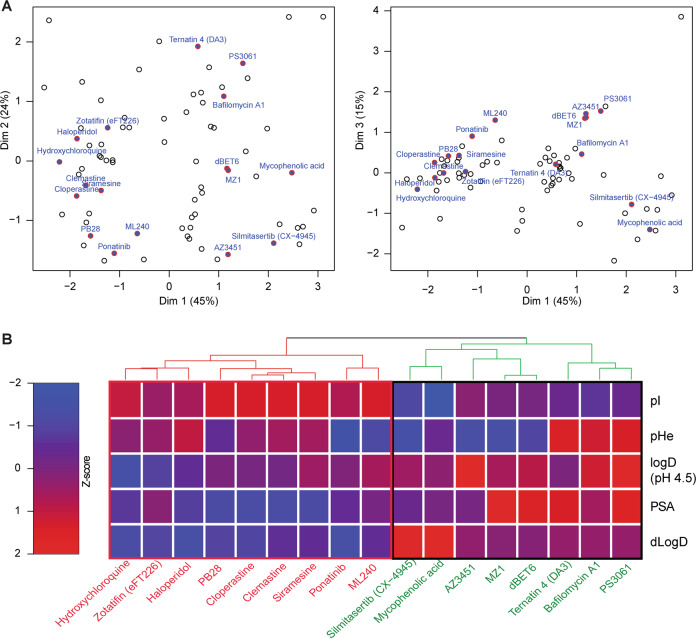
Fig. 3. Hits clusterization based on their protonation properties.
Several protonation as well as solvent-partitioning properties were computed for each of the 75 compounds from the original set using ChemAxon software, and submitted to a principal component analysis. a Data projections on the resulting three main dimensions are represented as dot plots. Hits are indicated in blue. b The most important parameters from the main components are reported for hits as a heatmap. The two groups resulting from subsequent hierarchical clustering are reported in red and blue colors, respectively.
Fig. 4
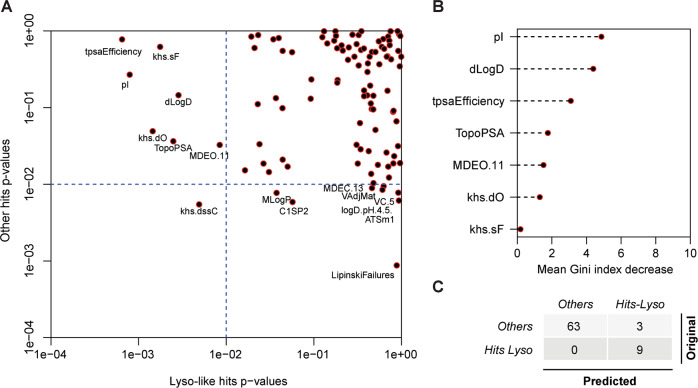
Fig. 4. Determination of discriminating chemical descriptors.
a Molecular descriptors were computed by using the the CDK library and ChemAxon software, and each of them was compared between hit and background groups by means of a Mann–Whitney test. The obtained p-values for either lyso-like or other hits are reported in a dot plot. Thresholding values (p = 0.0125) are indicated as blue dashed lines. b, c A random forest classification model was built using lyso-like specific descriptors as a predicting tool. The variables importancy (as the mean decrease of the Gini index) for building the model is reported in a dot plot (b), the confusion matrix (indicating model accuracy) is depicted in c.
Fig. 5
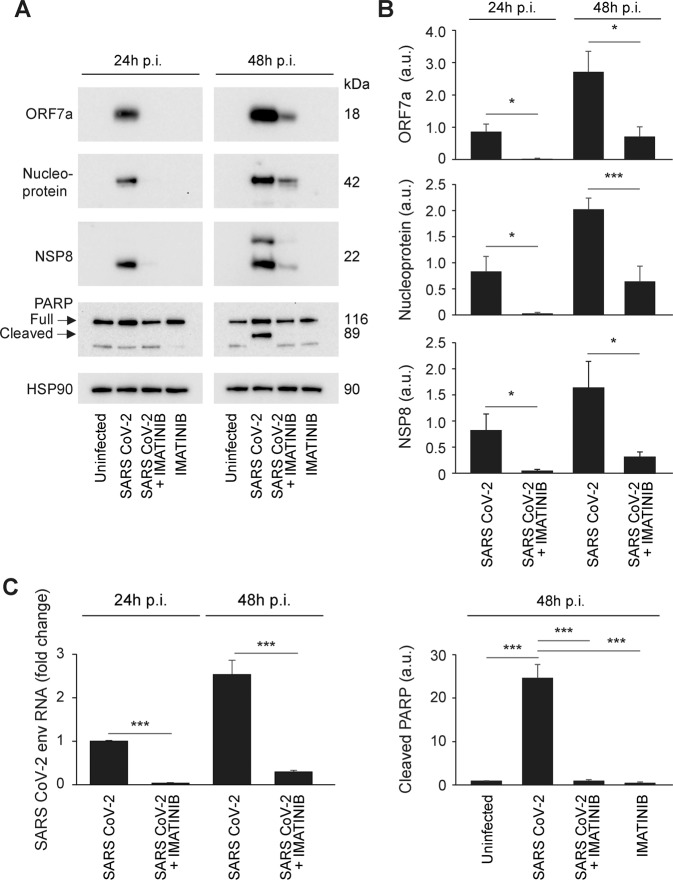
Fig. 5. Inhibition of SARS-CoV-2 infection by imatinib mesylate in Vero E6 cells.
Vero E6 cells were infected with the SARS-CoV-2 isolate (2019-nCoV/Italy-INMI1) for 1 h at 37 °C at a multiplicity of infection (MOI) of 0.01. At the end of the adsorption period, cells were treated with imatinib mesylate 10 mM or left untreated. Treatment was repeated after 24 h. At 24 and 48 h post infection, cells were harvested and assayed for SARS-CoV-2 intracellular protein (a, b) and RNA (c) levels by immunoblotting and RT-qPCR, respectively. In addition, PARP cleavage was monitored by immunoblotting to evaluate the level of cell death in infected cells (a, b lower panel). Representative images of immunoblotting results are shown in a; normalized quantification and statistical analysis of immunoblotting data from three experiments are described in b (a.u.: arbitrary unit). Viral RNA levels are reported as fold changes with respect to the amount detected at 24 h post infection (p.i.). Data represent means ± SD from triplicates. *p < 0.05; ***p < 0.001; paired Student’s t test.
Fig. 6
Fig. 6. Machine-learning-based enrichment in putative hits.
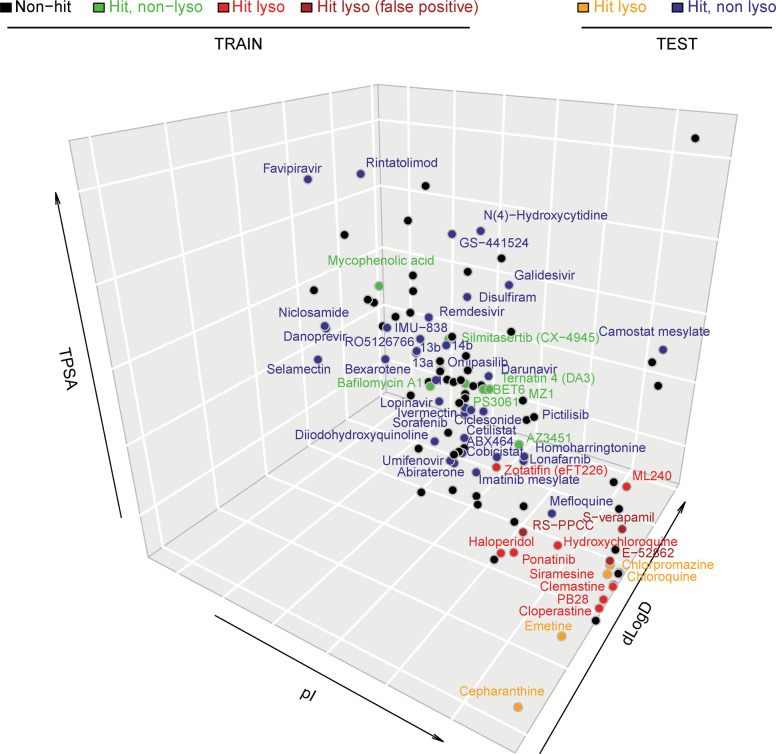
A trained random forest classification model was used to predict the potential antiviral effect of 39 active new compounds described in the literature. The three most important parameters that allowed to build the prediction model were plotted in a 3D scatterplot for both the original 75 drugs (training set) and these last compounds (test set). Prediction results and model accuracy are represented by colors, as indicated in the legend.

References

    1. Raoult D, Zumla A, Locatelli F, Ippolito G, Kroemer G. Coronavirus infections: epidemiological, clinical and immunological features and hypotheses. Cell Stress. 2020;4:66–75. doi: 10.15698/cst2020.04.216. - DOI - PMC - PubMed
    1. Bojkova D, et al. Proteomics of SARS-CoV-2-infected host cells reveals therapy targets. Nature. 2020 doi: 10.1038/s41586-020-2332-7. - DOI - PMC - PubMed
    1. Guha R. Chemical informatics functionality in R. 2007. 2007;18:16.
    1. Cao Y, Charisi A, Cheng LC, Jiang T, Girke T. ChemmineR: a compound mining framework for R. Bioinformatics. 2008;24:1733–1734. doi: 10.1093/bioinformatics/btn307. - DOI - PMC - PubMed
    1. Yao, X. et al. In vitro antiviral activity and projection of optimized dosing design of hydroxychloroquine for the treatment of severe acute respiratory syndrome coronavirus 2 (SARS-CoV-2). Clin. Infect. Dis.10.1093/cid/ciaa237 (2020). - PMC - PubMed

Publication types

MeSH terms

LinkOut - more resources