The Folate Cycle Enzyme MTHFR Is a Critical Regulator of Cell Response to MYC-Targeting Therapies
- PMID: 32826232
- PMCID: PMC8044910
- DOI: 10.1158/2159-8290.CD-19-0970
The Folate Cycle Enzyme MTHFR Is a Critical Regulator of Cell Response to MYC-Targeting Therapies
Abstract
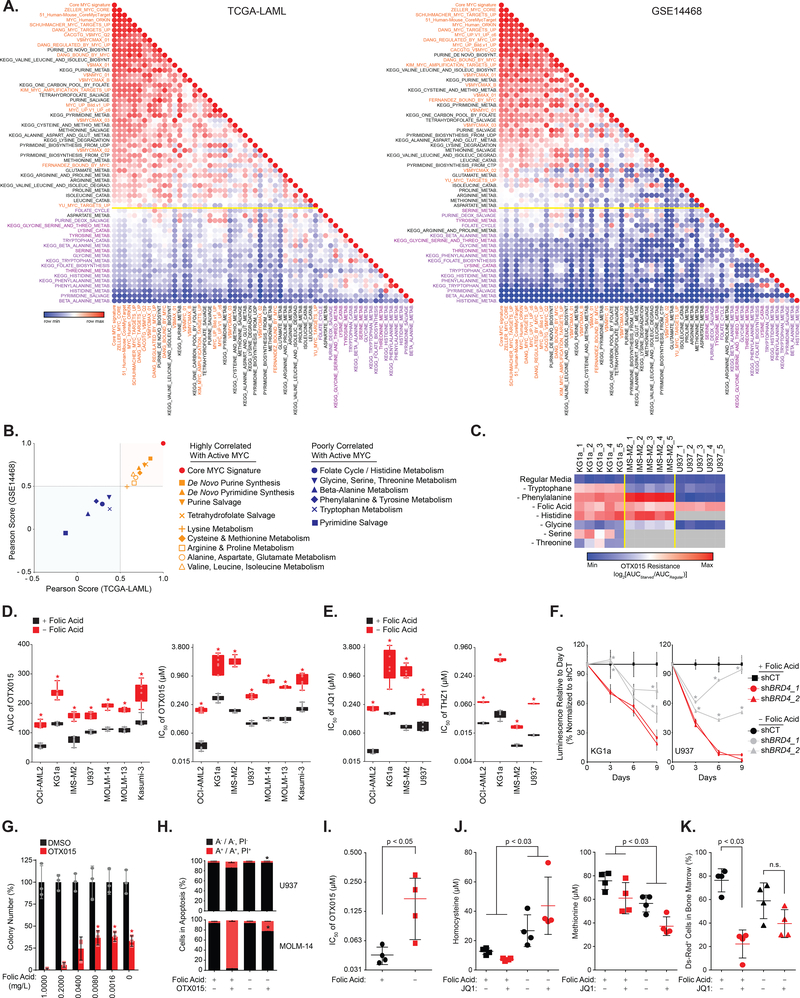
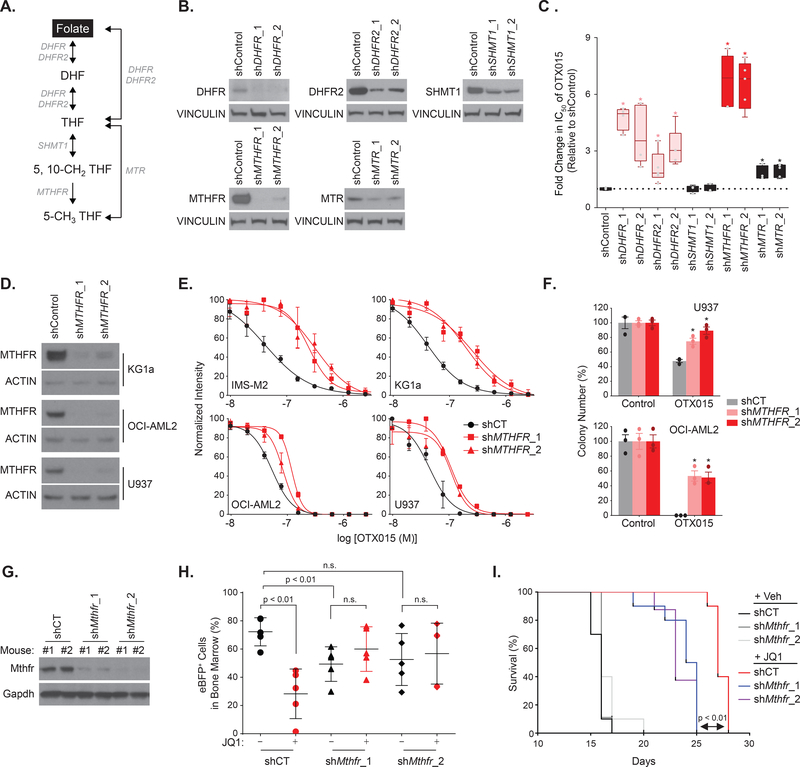
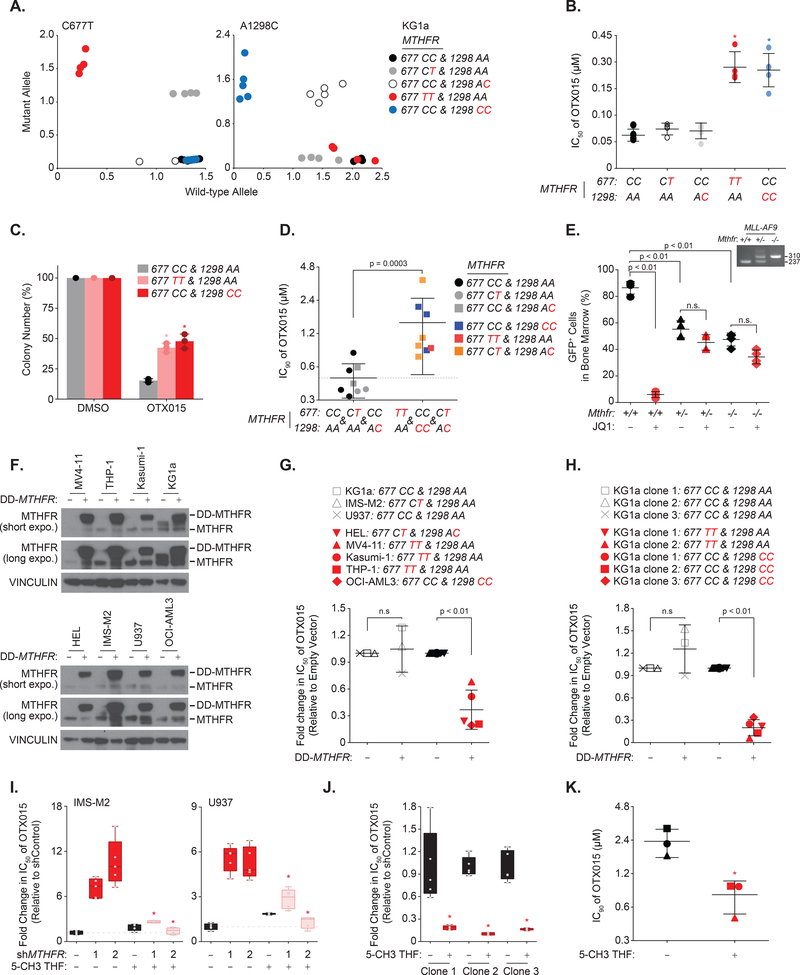
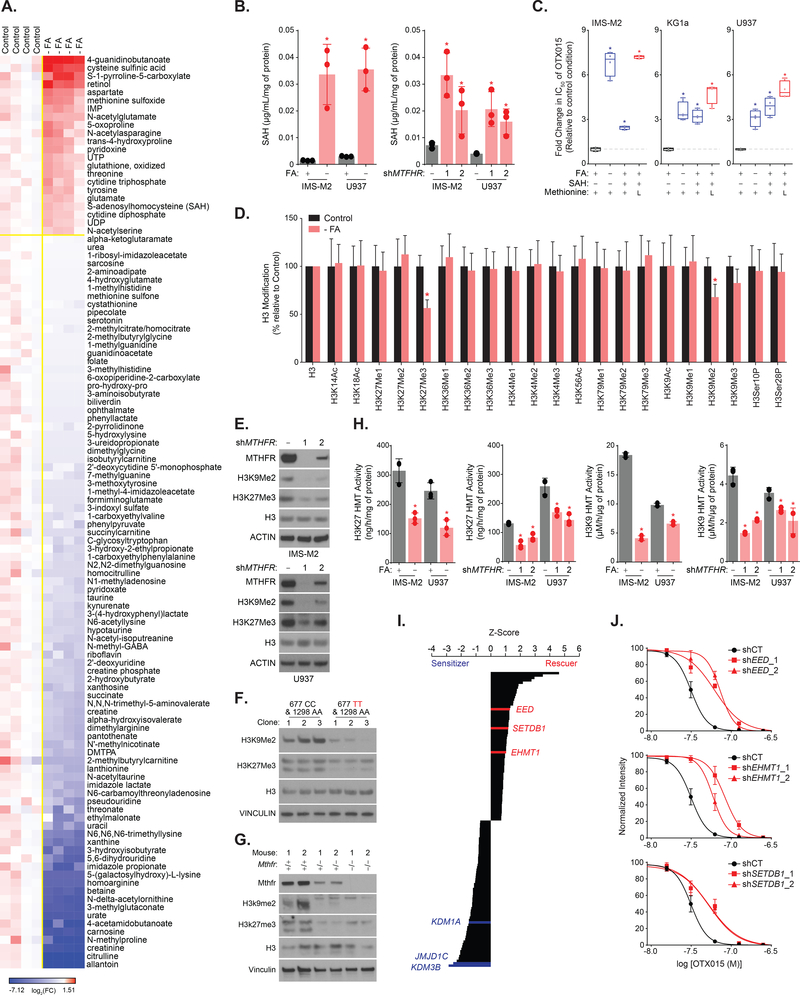
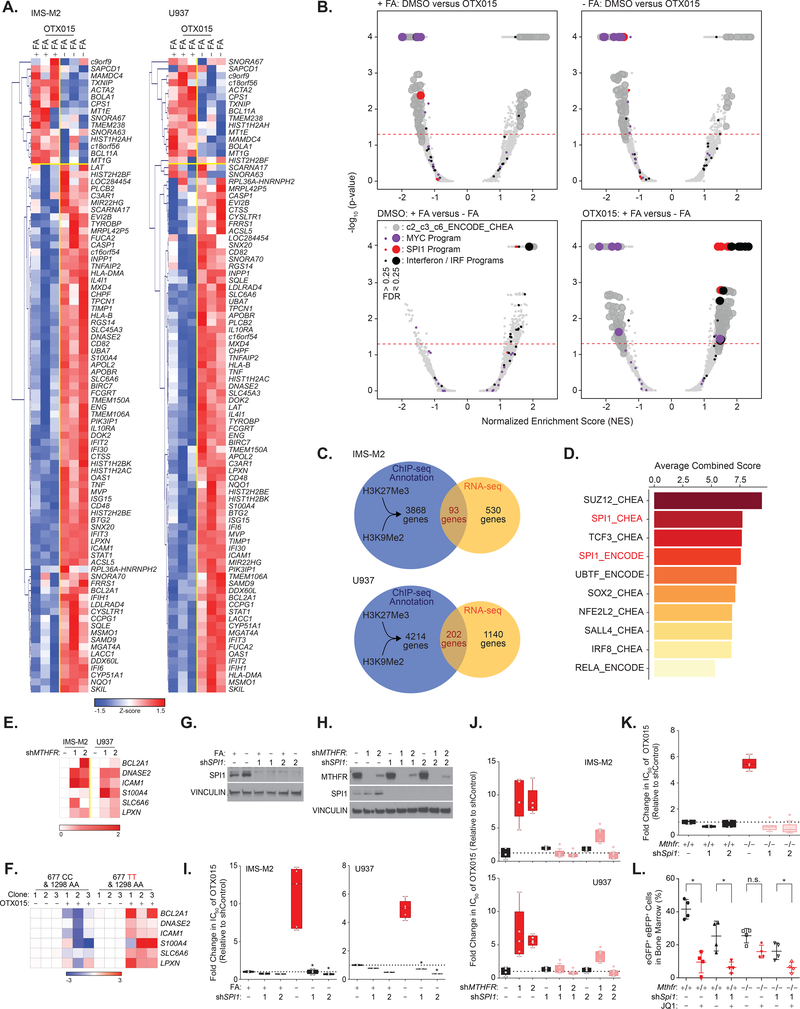
Deciphering the impact of metabolic intervention on response to anticancer therapy may elucidate a path toward improved clinical responses. Here, we identify amino acid-related pathways connected to the folate cycle whose activation predicts sensitivity to MYC-targeting therapies in acute myeloid leukemia (AML). We establish that folate restriction and deficiency of the rate-limiting folate cycle enzyme MTHFR, which exhibits reduced-function polymorphisms in about 10% of Caucasians, induce resistance to MYC targeting by BET and CDK7 inhibitors in cell lines, primary patient samples, and syngeneic mouse models of AML. Furthermore, this effect is abrogated by supplementation with the MTHFR enzymatic product CH3-THF. Mechanistically, folate cycle disturbance reduces H3K27/K9 histone methylation and activates a SPI1 transcriptional program counteracting the effect of BET inhibition. Our data provide a rationale for screening MTHFR polymorphisms and folate cycle status to nominate patients most likely to benefit from MYC-targeting therapies. SIGNIFICANCE: Although MYC-targeting therapies represent a promising strategy for cancer treatment, evidence of predictors of sensitivity to these agents is limited. We pinpoint that folate cycle disturbance and frequent polymorphisms associated with reduced MTHFR activity promote resistance to BET inhibitors. CH3-THF supplementation thus represents a low-risk intervention to enhance their effects.See related commentary by Marando and Huntly, p. 1791.This article is highlighted in the In This Issue feature, p. 1775.
©2020 American Association for Cancer Research.
Figures
Comment in
-
BETs Need Greens: Folate Deficiency and Resistance to MYC-Targeted Therapies.Cancer Discov. 2020 Dec;10(12):1791-1793. doi: 10.1158/2159-8290.CD-20-1333. Cancer Discov. 2020. PMID: 33262182
References
-
- Hanahan D, Weinberg RA. Hallmarks of cancer: the next generation. Cell. 2011;144:646–74. - PubMed
-
- Hsu PP, Sabatini DM. Cancer cell metabolism: Warburg and beyond. Cell. 2008;134:703–7. - PubMed
-
- Lunt SY, Vander Heiden MG. Aerobic glycolysis: meeting the metabolic requirements of cell proliferation. Annual review of cell and developmental biology. 2011;27:441–64. - PubMed
Publication types
MeSH terms
Substances
Grants and funding
LinkOut - more resources
Full Text Sources
Medical
Molecular Biology Databases