


Insights into the impact of COVID-19 on household travel and activities in Australia - The early days of easing restrictions
- PMID: 32836998
- PMCID: PMC7434414
- DOI: 10.1016/j.tranpol.2020.08.004
Insights into the impact of COVID-19 on household travel and activities in Australia - The early days of easing restrictions
Abstract
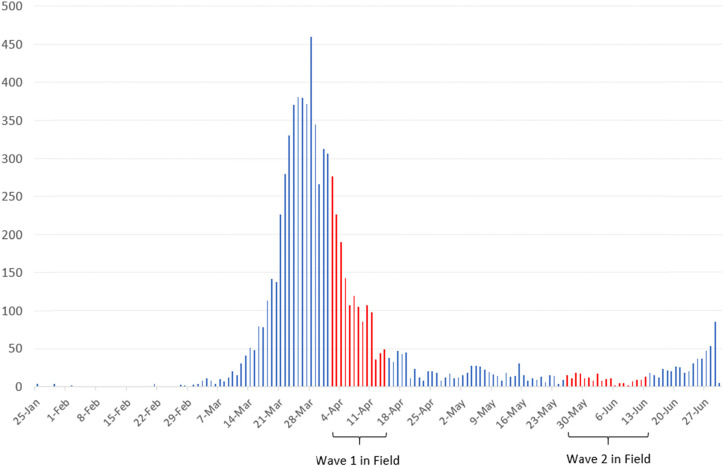
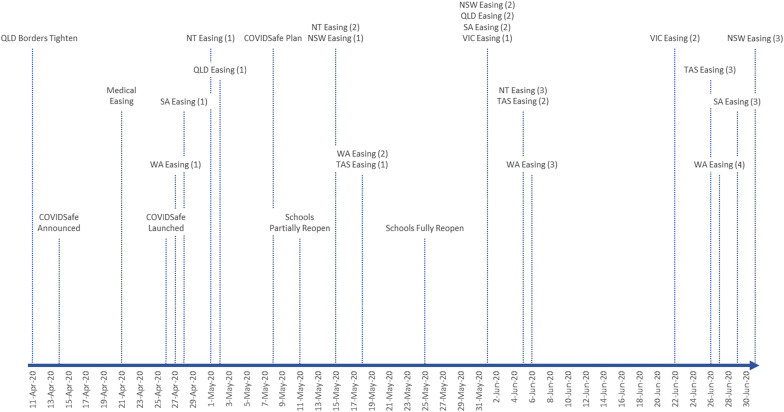
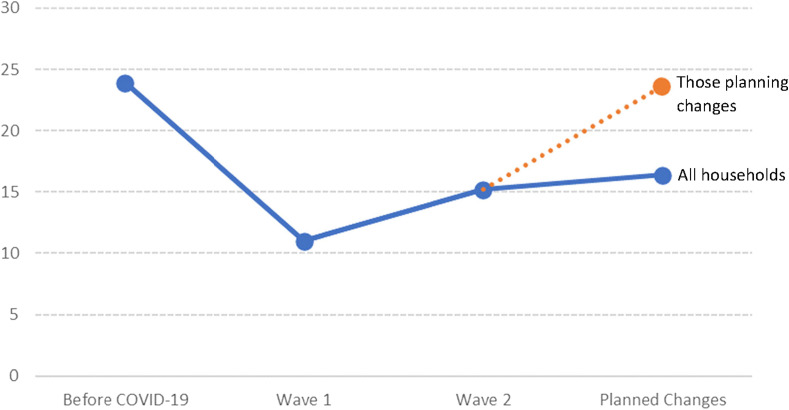
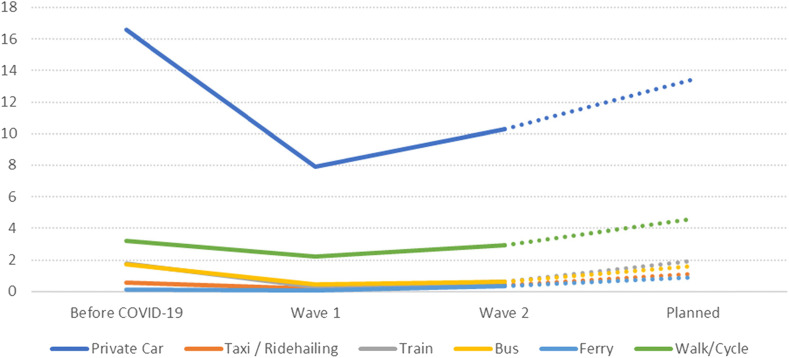
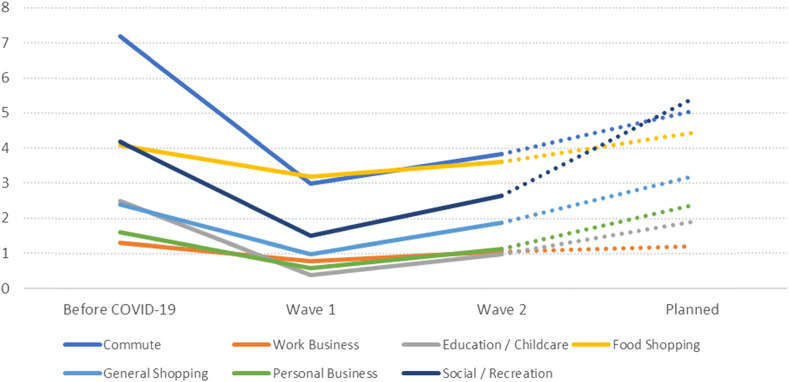
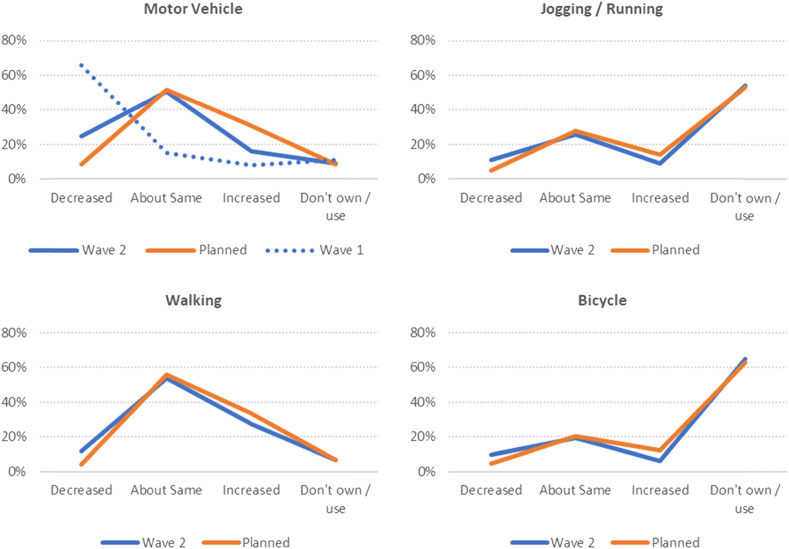
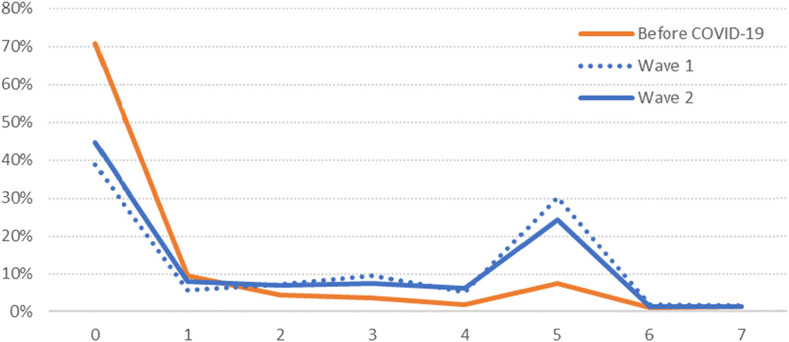
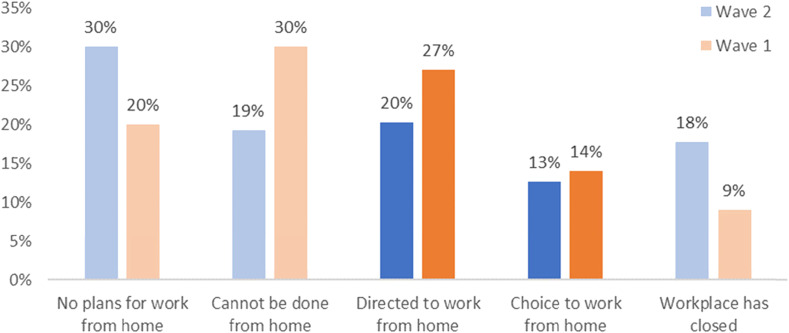
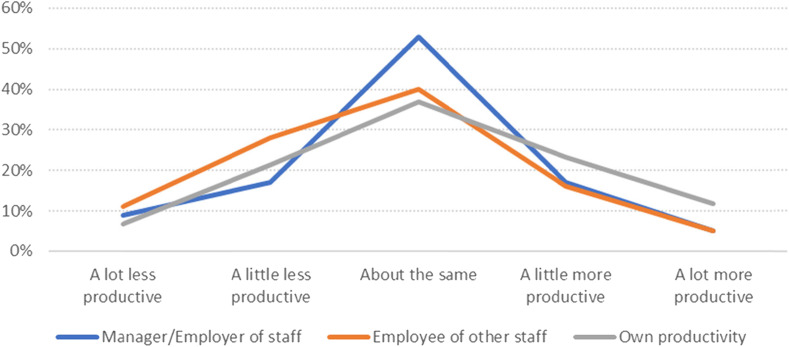
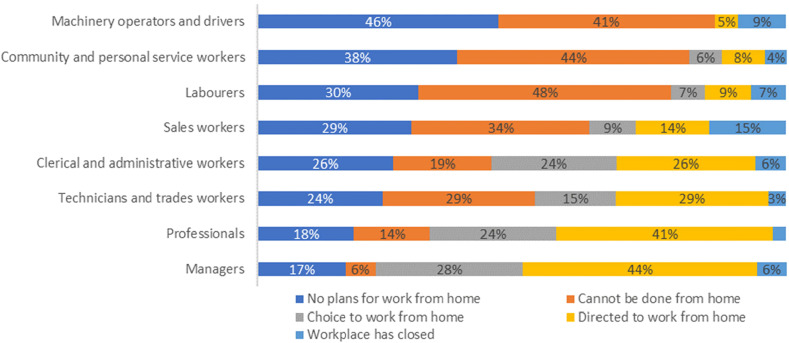
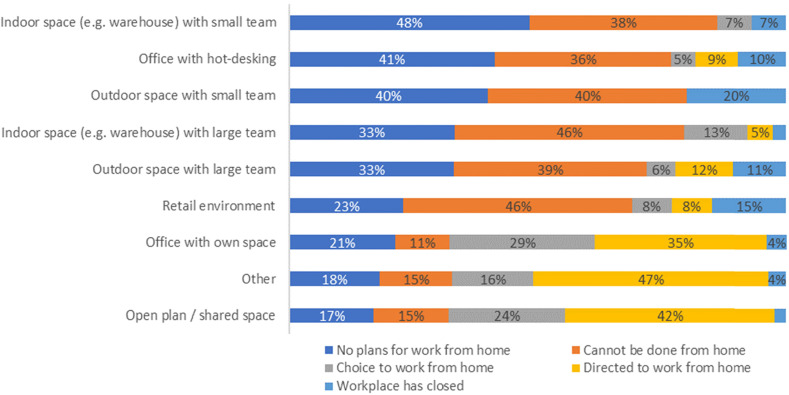
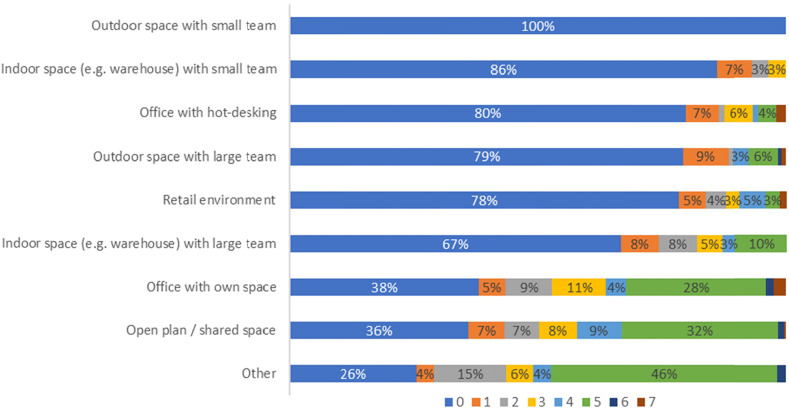
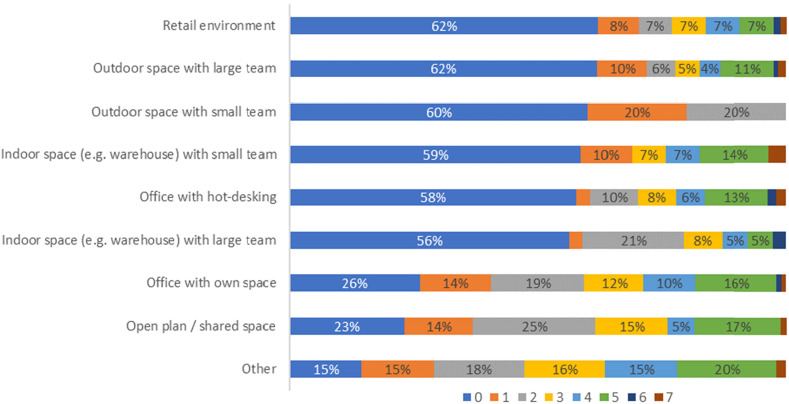
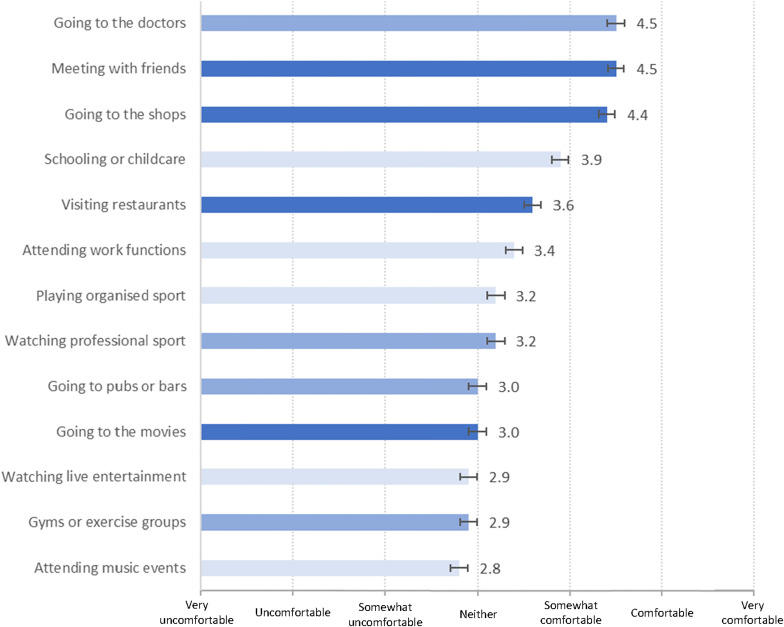
The COVID-19 disease continues to cause unparalleled disruption to life and the economy world over. This paper is the second in what will be an ongoing series of analyses of a longitudinal travel and activity survey. In this paper we examine data collected over a period of late May to early June in Australia, following four-to-six weeks of relatively flat new cases in COVID-19 after the initial nationwide outbreak, as many state jurisdictions have begun to slowly ease restrictions designed to limit the spread of the SARS-CoV-2 virus. We find that during this period, travel activity has started to slowly return, in particular by private car, and in particular for the purposes of shopping and social or recreational activities. Respondents indicate comfort with the idea of meeting friends or returning to shops, so authorities need to be aware of potential erosion of social distancing and appropriate COVID-safe behaviour in this regard. There is still a concern about using public transport, though it has diminished noticeably since the first wave of data collection. We see that working from home continues to be an important strategy in reducing travel and pressure on constrained transport networks, and a policy measure that if carried over to a post-pandemic world, will be an important step towards a more sustainable transport future. We find that work from home has been a generally positive experience with a significant number of respondents liking to work from home moving forward, with varying degrees of employer support, at a level above those seen before COVID-19. Thus, any investment to capitalise on current levels of work from home should be viewed as an investment in transport.
Keywords: Attitudes; Behaviours; COVID-19; Coronavirus; Employer support; Household surveys; Longitudinal study; Travel activity; Working from home (WFH).
© 2020 Elsevier Ltd. All rights reserved.
Figures
References
-
- Aarts H., Dijksterhuis A.P. The automatic activation of goal-directed behaviour: the case of travel habit. J. Environ. Psychol. 2000;20(1):75–82.
-
- Abano J. Bike sales in ANZ skyrocket during COVID-19 lockdown. 2020. https://insideretail.com.au/news/bike-sales-in-anz-skyrocket-during-covi... accessed.
-
- Bamberg S., Ajzen I., Schmidt P. Choice of travel mode in the theory of planned behavior: the roles of past behavior, habit, and reasoned action. Basic Appl. Soc. Psychol. 2003;25(3):175–187.
-
- Banister D. The influence of habit formation on modal choice - a Heuristic model. Transportation. 1978;7:5–33.
LinkOut - more resources
Full Text Sources
Miscellaneous