


Novel Psychrophiles and Exopolymers from Permafrost Thaw Lake Sediments
- PMID: 32842646
- PMCID: PMC7563700
- DOI: 10.3390/microorganisms8091282
Novel Psychrophiles and Exopolymers from Permafrost Thaw Lake Sediments
Abstract
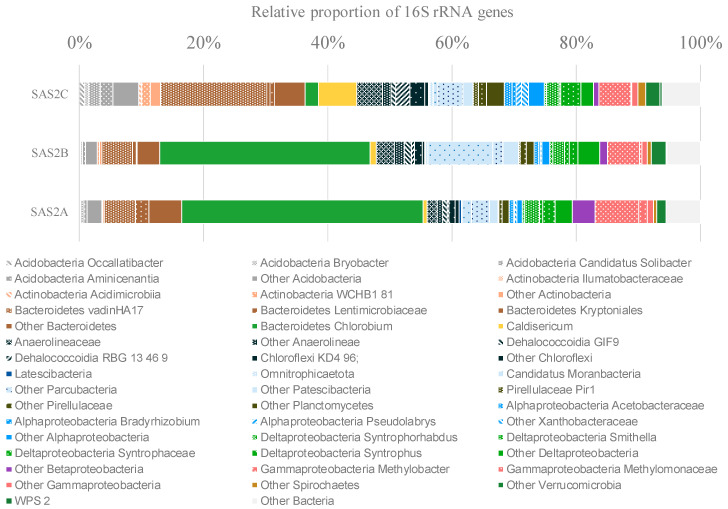
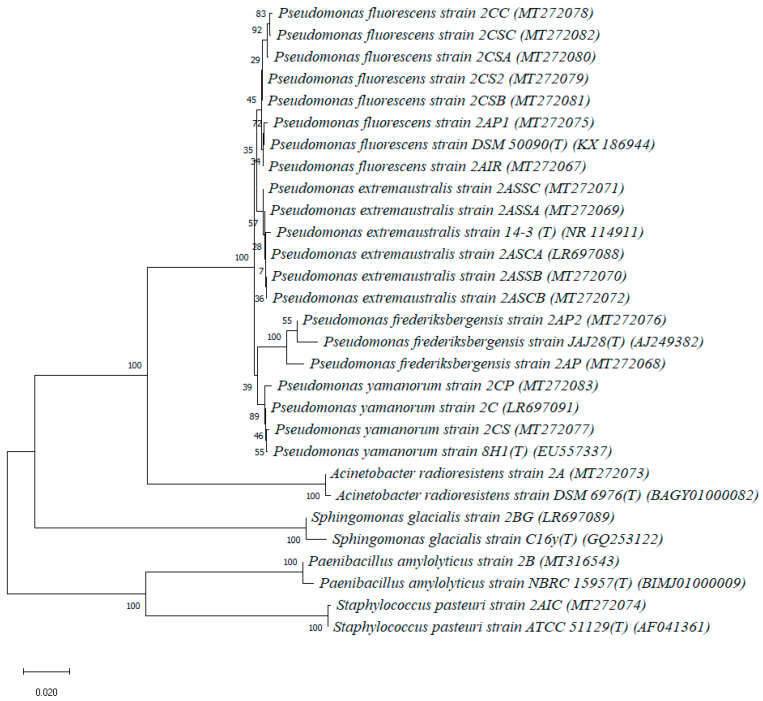
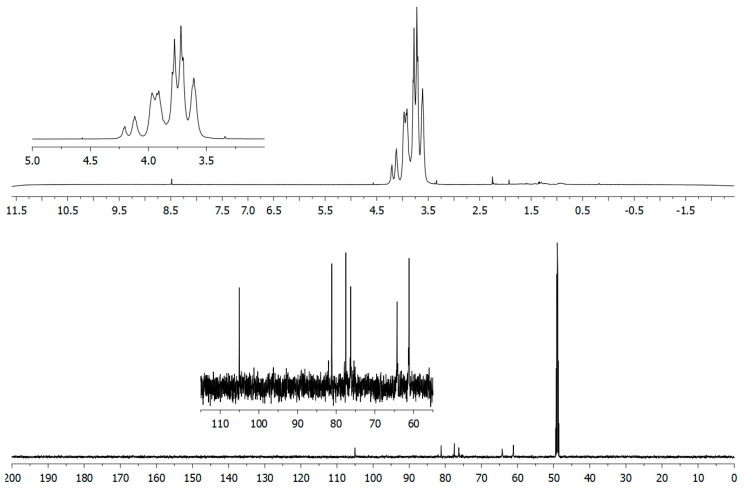
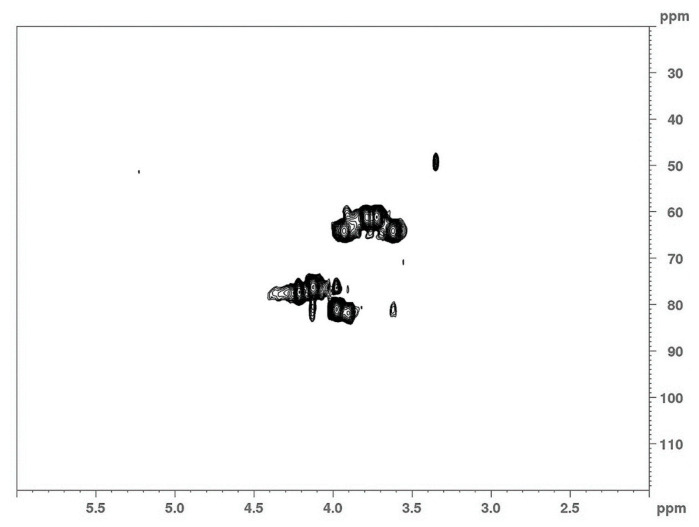
Thermokarst lakes are one of the most abundant types of microbial ecosystems in the circumpolar North. These shallow basins are formed by the thawing and collapse of ice-rich permafrost, with subsequent filling by snow and ice melt. Until now, permafrost thaw lakes have received little attention for isolation of microorganisms by culture-based analysis. The discovery of novel psychrophiles and their biomolecules makes these extreme environments suitable sources for the isolation of new strains, including for potential biotechnological applications. In this study, samples of bottom sediments were collected from three permafrost thaw lakes in subarctic Québec, Canada. Their diverse microbial communities were characterized by 16S rRNA gene amplicon analysis, and subsamples were cultured for the isolation of bacterial strains. Phenotypic and genetic characterization of the isolates revealed affinities to the genera Pseudomonas, Paenibacillus, Acinetobacter,Staphylococcus and Sphingomonas. The isolates were then evaluated for their production of extracellular enzymes and exopolymers. Enzymes of potential biotechnological interest included α and β-glucosidase, α and β-maltosidase, β-xylosidase and cellobiohydrolase. One isolate, Pseudomonas extremaustralis strain 2ASCA, also showed the capability to produce, in the loosely bound cell fraction, a levan-type polysaccharide with a yield of 613 mg/L of culture, suggesting its suitability as a candidate for eco-sustainable alternatives to commercial polymers.
Keywords: Pseudomonas; bacterial diversity; exopolysaccharides; lake sediments; microbial ecology; permafrost thaw lake; psychrophiles; subarctic.
Conflict of interest statement
The authors declare no conflict of interest.
Figures
References
-
- Vincent W.F. Microbial Ecosystems of Antarctica. Cambridge University Press; Cambridge, UK: 2004.
-
- Miller R.V., Whyte L. Polar Microbiology: Life in a Deep Freeze. ASM Press; Washington, DC, USA: 2012.
-
- Di Donato P., Poli A., Taurisano V., Abbamondi G.R., Nicolaus B., Tommonaro G. Recent advances in the study of marine microbial biofilm: From the involvement of quorum sensing in its production up to biotechnological application of the polysaccharide fractions. J. Mar. Sci. Eng. 2016;4:34. doi: 10.3390/jmse4020034. - DOI
LinkOut - more resources
Full Text Sources
