Review
. 2020 Sep 1;76(9):1084-1101.
doi: 10.1016/j.jacc.2020.06.070.

Contemporary Management of Severe Acute Kidney Injury and Refractory Cardiorenal Syndrome: JACC Council Perspectives

Affiliations
Review

Contemporary Management of Severe Acute Kidney Injury and Refractory Cardiorenal Syndrome: JACC Council Perspectives

Jacob C Jentzer et al. J Am Coll Cardiol. .

Erratum in

  • Correction.
    [No authors listed] [No authors listed] J Am Coll Cardiol. 2021 Jan 5;77(1):107-109. doi: 10.1016/j.jacc.2020.11.041. J Am Coll Cardiol. 2021. PMID: 33413934 No abstract available.

Abstract

Acute kidney injury (AKI) and cardiorenal syndrome (CRS) are increasingly prevalent in hospitalized patients with cardiovascular disease and remain associated with poor short- and long-term outcomes. There are no specific therapies to reduce mortality related to either AKI or CRS, apart from supportive care and volume status management. Acute renal replacement therapies (RRTs), including ultrafiltration, intermittent hemodialysis, and continuous RRT are used to manage complications of medically refractory AKI and CRS and may restore normal electrolyte, acid-base, and fluid balance before renal recovery. Patients who require acute RRT have a significant risk of mortality and long-term dialysis dependence, emphasizing the importance of appropriate patient selection. Despite the growing use of RRT in the cardiac intensive care unit, there are few resources for the cardiovascular specialist that integrate the epidemiology, diagnostic workup, and medical management of AKI and CRS with an overview of indications, multidisciplinary team management, and transition off of RRT.

Keywords: acute kidney injury; cardiorenal syndrome; dialysis; heart failure; hemofiltration; renal replacement therapy; ultrafiltration.


Figures

FIGURE 1
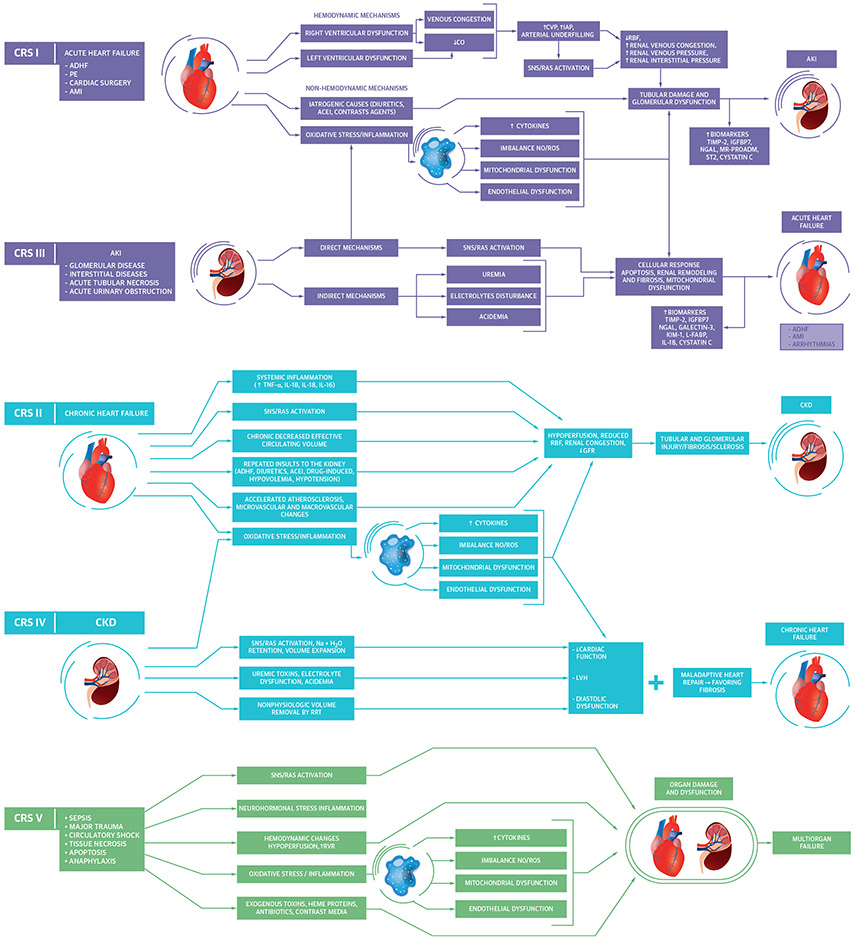
FIGURE 1. Pathophysiological Interactions Between the Heart and Kidney in CRS
Acute cardiorenal syndrome (CRS) (types 1 and 3) occurs when acutely worsening heart or kidney function, respectively, leads to worsening function of the other organ. Chronic CRS (types 2 and 4) occurs when chronic heart or kidney dysfunction, respectively, leads to worsening dysfunction of the other organ. Secondary CRS (type 5) occurs when a systemic process leads to simultaneous heart and kidney dysfunction (28,34). ACEI = angiotensin-converting enzyme inhibitor; ADHF = acute decompensated heart failure; AKI = acute kidney injury; AMI = acute myocardial infarction; CKD = chronic kidney disease; CO = cardiac output, CVP = central venous pressure; GFR = glomerular filtration rate; H2O = water; IAP = intra-abdominal pressure; IGFBP7 = insulin-like growth factor binding protein 7; IL = interleukin; KIM-1 = kidney injury molecule 1; L-FABP = liver-type fatty acid binding protein; LVH = left ventricular hypertrophy; MR-PROADM = mid regional pro adrenomedullin; Na = sodium; N-GAL = neutrophil gelatinase-associated lipocalin; NO/ROS = nitric oxide/reactive oxygen species; PE = pulmonary embolism; RBF = renal blood flow; RRT = renal replacement therapy; RVR = renal venous resistance; SNS/RAS = sympathetic nervous system/renin angiotensin system; ST2 = suppression tumorigenicity 2; TIMP-2 = tissue inhibitor of metalloproteinase 2; TNF = tumor necrosis factor.
FIGURE 2
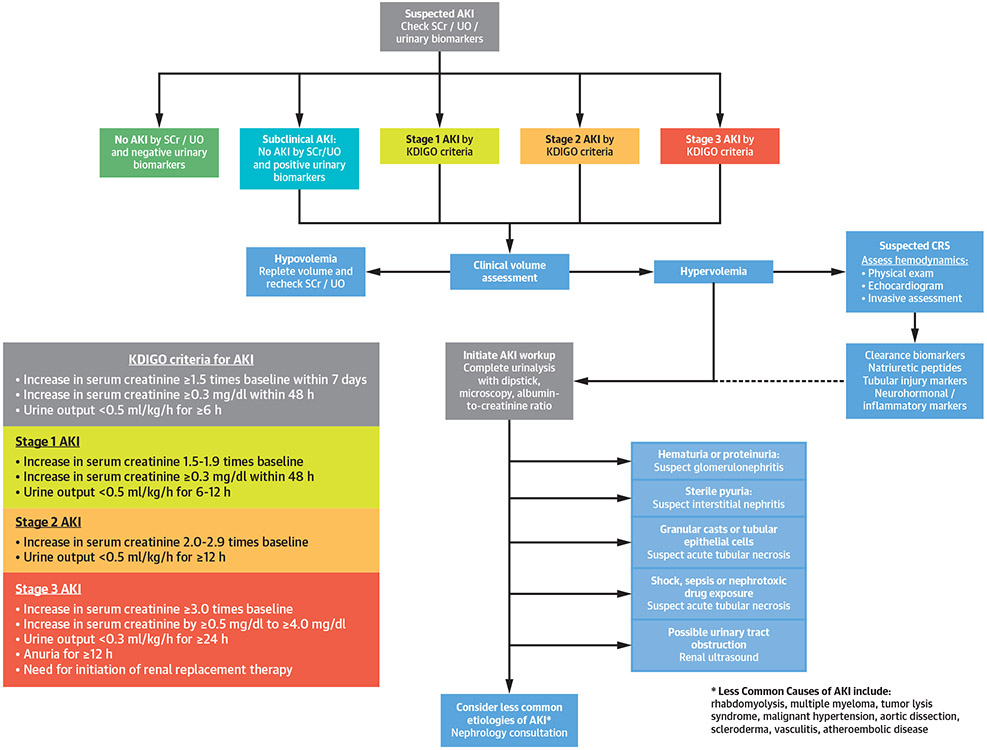
FIGURE 2. Diagnostic Approach to Patients With Suspected AKI
AKI is defined as an acute reduction in urine output or increase in serum creatinine level and is divided into 3 Kidney Disease: Improving Global Outcomes (KDIGO) AKI stages of increasing severity (21,30). The diagnostic approach for patients with AKI includes assessment of volume status and focused testing to exclude potential etiologies, including biomarker testing (21,30,32,34). Natriuretic peptides include B-type natriuretic peptide (BNP) and N-terminal pro-BNP (NT-proBNP). Urinary biomarkers include TIMP-2 and IGFBP-7. Clearance biomarkers include serum creatinine (SCr), blood urea nitrogen (BUN), and cystatin C. Tubular injury biomarkers include KIM-1, L-FABP, and NGAL. Neurohormonal and/or inflammatory biomarkers include growth differentiation factor (GDF)-15, ST-2, and cancer antigen 125 (CA-125). UO = urinary output; other abbreviations as in Figure 1.
FIGURE 3
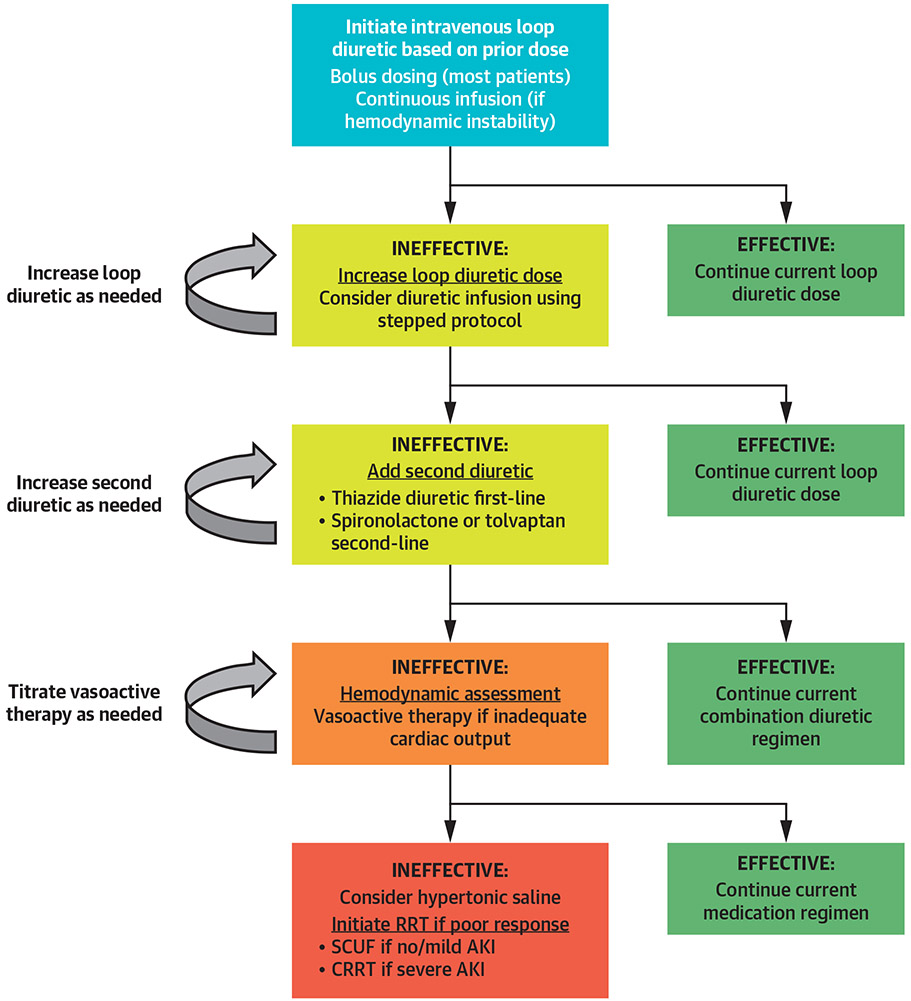
FIGURE 3. Volume Management in Patients With Acute Heart Failure and CRS
Escalating doses of loop diuretics are the first-line of therapy for volume removal, with combination diuretic therapy used for patients who do not respond adequately to loop diuretics (3). A target urine output of 3 to 5 l/day has been used in studies of stepped-diuretic therapy (56,62). Hemodynamic assessment and vasoactive therapy can be helpful in selected patients with poor response to diuretics, with extracorporeal volume removal for patients in whom medical therapy fails. CRRT = continuous renal replacement therapy; RRT = renal replacement therapy; SCUF = slow continuous ultrafiltration; other abbreviations as in Figure 1.
FIGURE 4
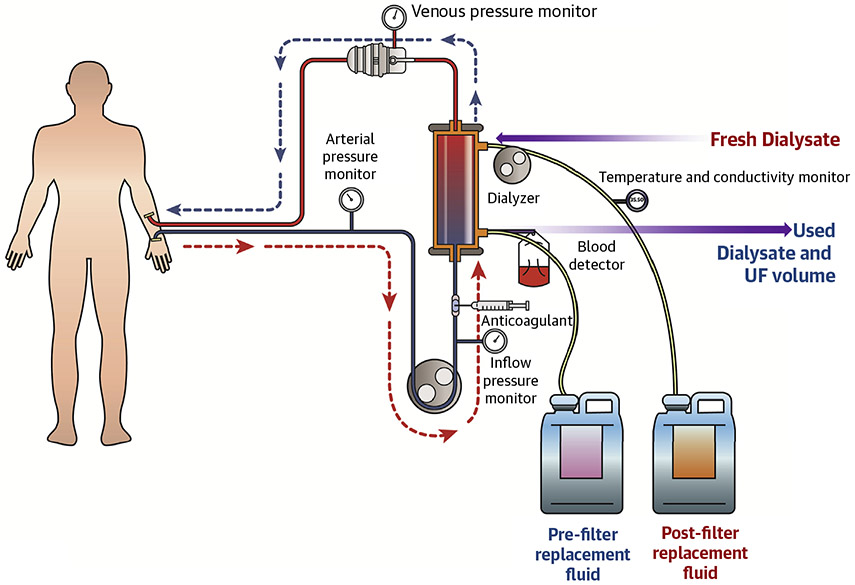
FIGURE 4. Components of a Dialysis Circuit
The dialysis circuit is composed of a dialyzer with a semipermeable membrane, replacement fluid or dialysate (dialysis solution), sterile tubing for the transport of blood and dialysate, and a machine to power and monitor the procedure using sensors and alarms. A continuous venovenous hemofiltration (CVVH) circuit contains the same components, except that dialysate is not used. UF = ultrafiltration.
FIGURE 5
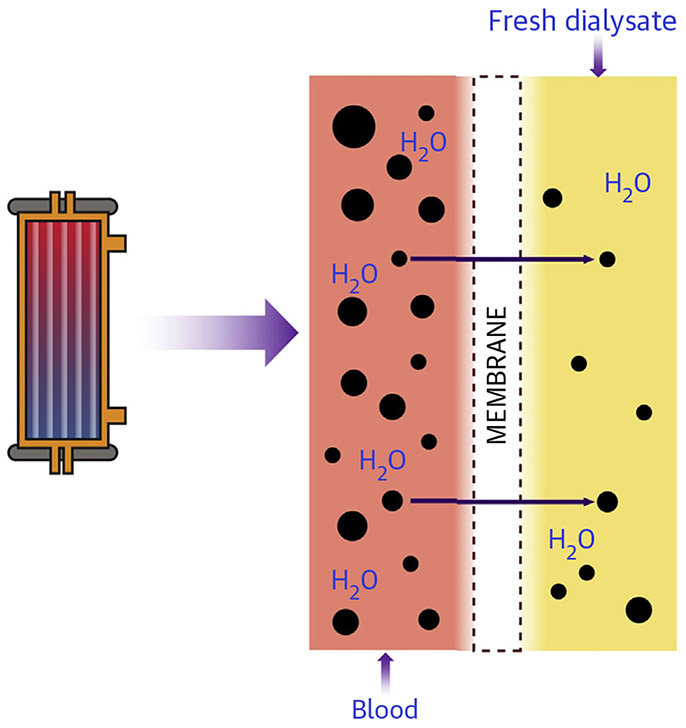
FIGURE 5. Solute Clearance by Diffusion During Hemodialysis
Blood and dialysate are separated by the semipermeable membrane, and solutes move across the membrane down a concentration gradient. With diffusive solute clearance, dialysate runs countercurrent to the blood flow to remove solutes.
FIGURE 6
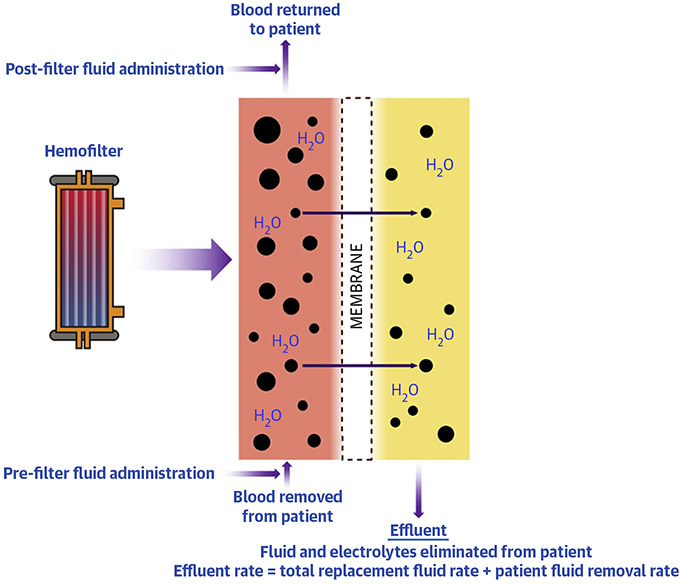
FIGURE 6. Function of the CVVH Filter and Solute Clearance by Convection
Blood and ultrafiltrate are separated by the semipermeable membrane, and solutes move across the membrane down a hydrostatic pressure gradient. With convective solute clearance, solutes are removed from the blood by ultrafiltration and then balanced replacement fluid is administered. CVVH = continuous venovenous hemofiltration.
CENTRAL ILLUSTRATION
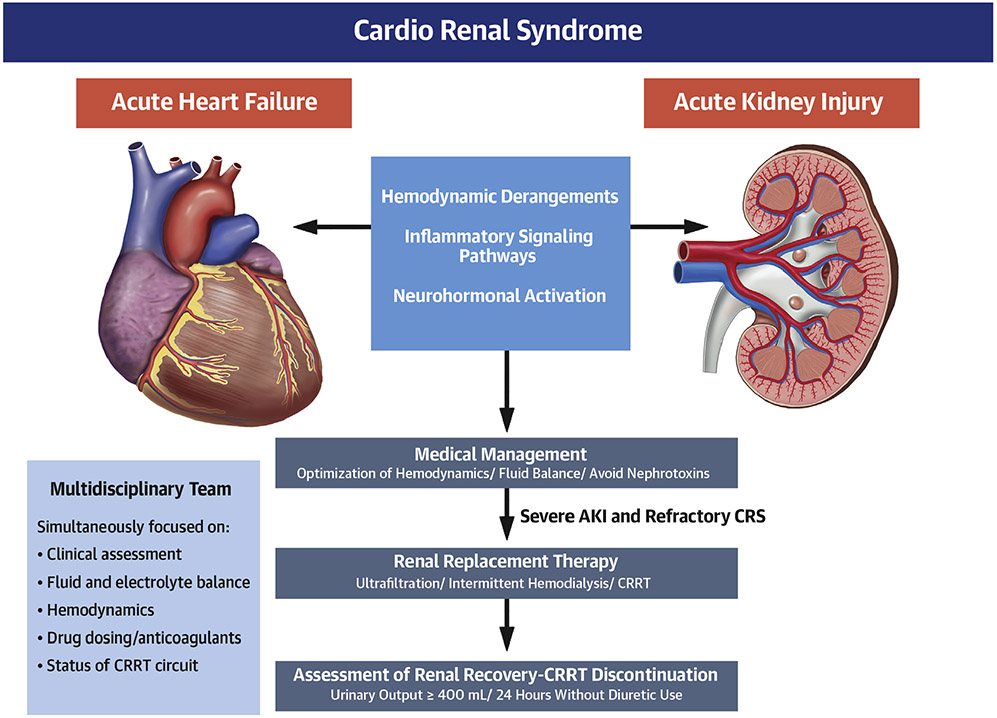
CENTRAL ILLUSTRATION. Pathophysiology, Medical Management, and Use of Renal Replacement Therapy in Severe Acute Kidney Injury and Refractory Cardiorenal Syndrome
Cardiorenal syndrome (CRS) involves the interplay between hemodynamic, inflammatory, and neurohumoral abnormalities to produce worsening heart and kidney function. Management of patients with CRS involves multidisciplinary care, starting with medical management and avoidance of further acute kidney injury (AKI). For medically refractory CRS and severe AKI, renal replacement therapy, including continuous renal replacement therapy (CRRT), may be necessary.

References

    1. Jentzer JC, van Diepen S, Barsness GW, et al. Changes in comorbidities, diagnoses, therapies and outcomes in a contemporary cardiac intensive care unit population. Am Heart J 2019;215:12–9. - PubMed
    1. Sinha SS, Sjoding MW, Sukul D, et al. Changes in primary noncardiac diagnoses over time among elderly cardiac intensive care unit patients in the United States. Circ Cardiovasc Qual Outcomes 2017;10:e003616. - PMC - PubMed
    1. Jentzer JC, Chawla LS. A clinical approach to the acute cardiorenal syndrome. Crit Care Clin 2015;31:685–703. - PubMed
    1. Rangaswami J, Bhalla V, Blair JEA, et al. Cardiorenal syndrome: classification, pathophysiology, diagnosis, and treatment strategies: a scientific statement from the American Heart Association. Circulation 2019;139:e840–78. - PubMed
    1. Vandenberghe W, Gevaert S, Kellum JA, et al. Acute kidney injury in cardiorenal syndrome type 1 patients: a systematic review and meta-analysis. Cardiorenal Med 2016;6:116–28. - PMC - PubMed

Publication types

MeSH terms