


Forecasting of COVID-19 time series for countries in the world based on a hybrid approach combining the fractal dimension and fuzzy logic
- PMID: 32863616
- PMCID: PMC7444908
- DOI: 10.1016/j.chaos.2020.110242
Forecasting of COVID-19 time series for countries in the world based on a hybrid approach combining the fractal dimension and fuzzy logic
Abstract
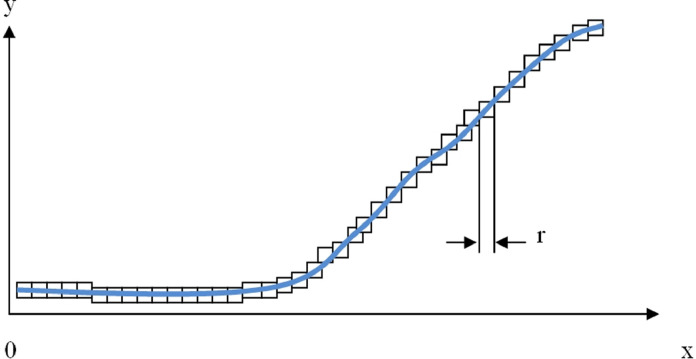
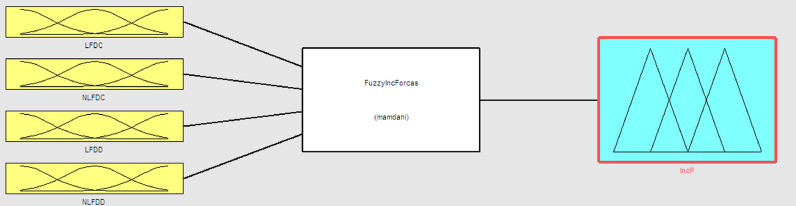
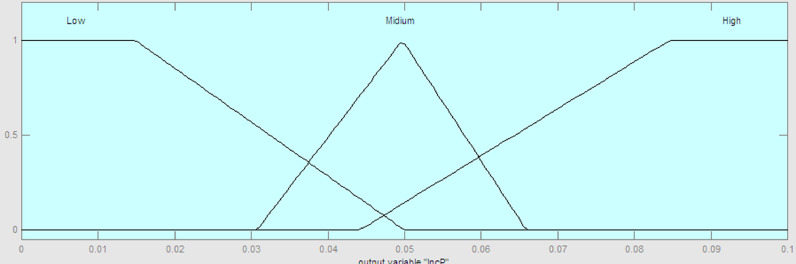
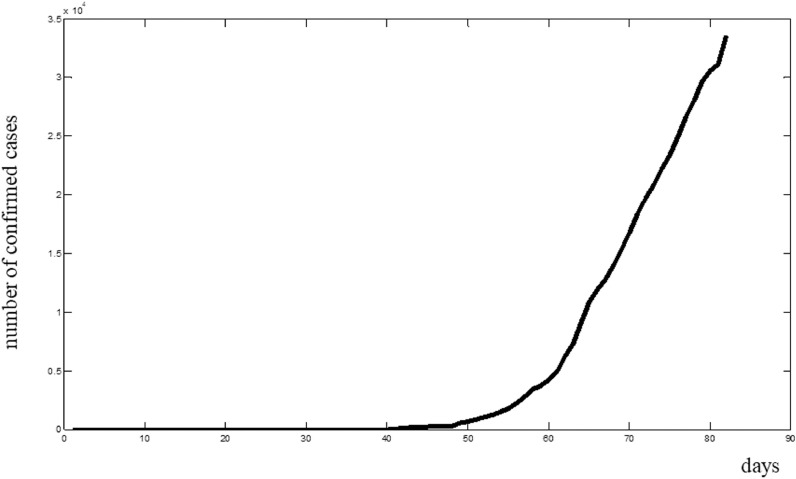
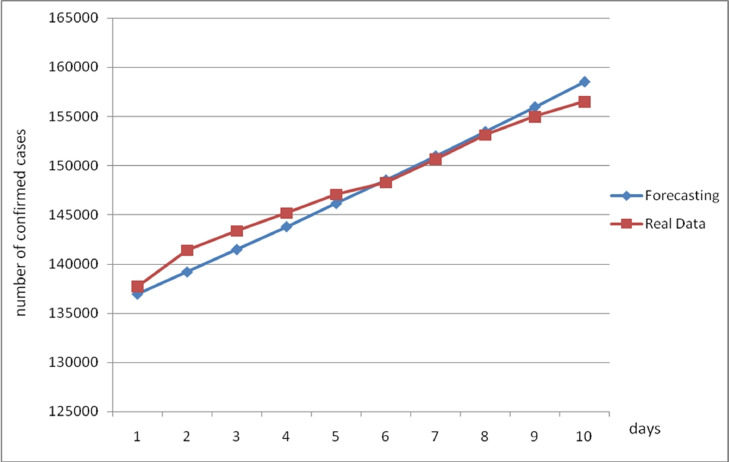
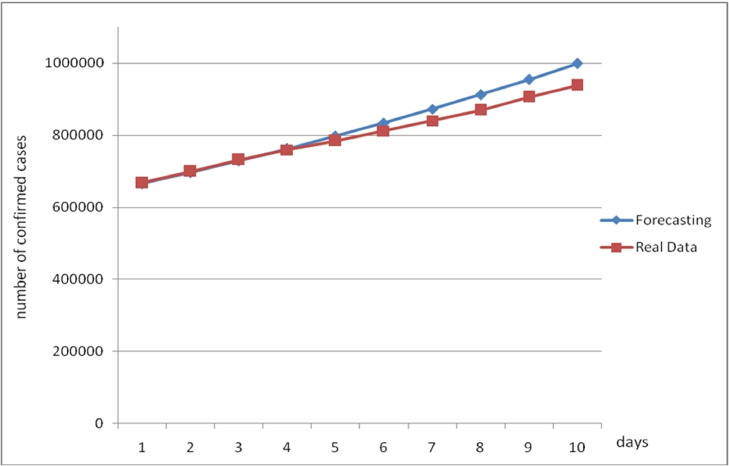
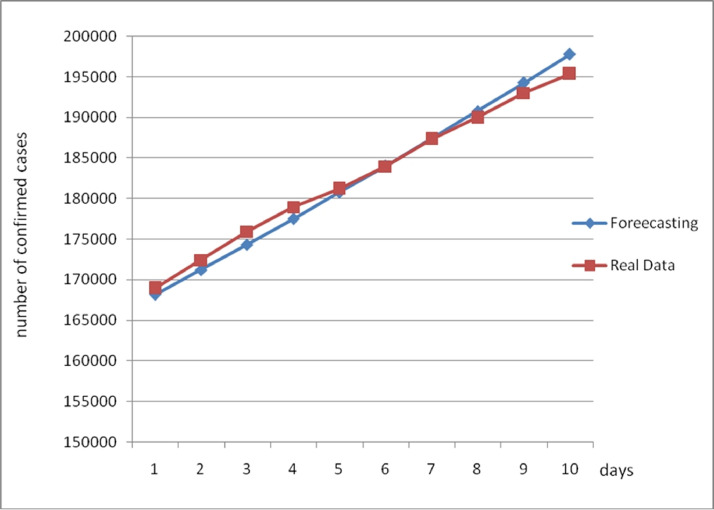
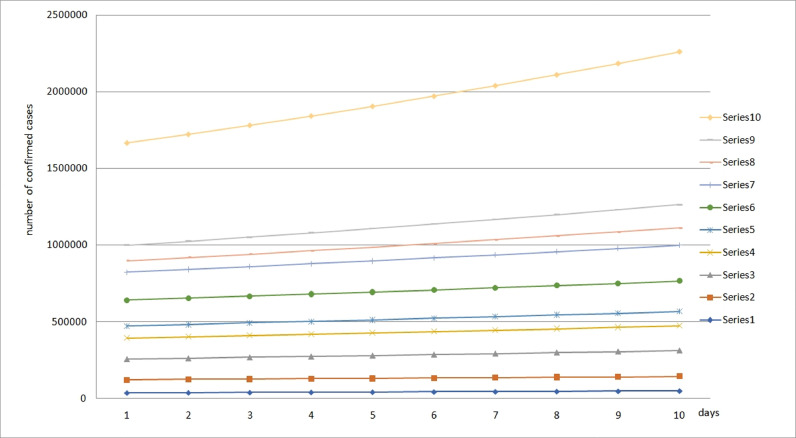
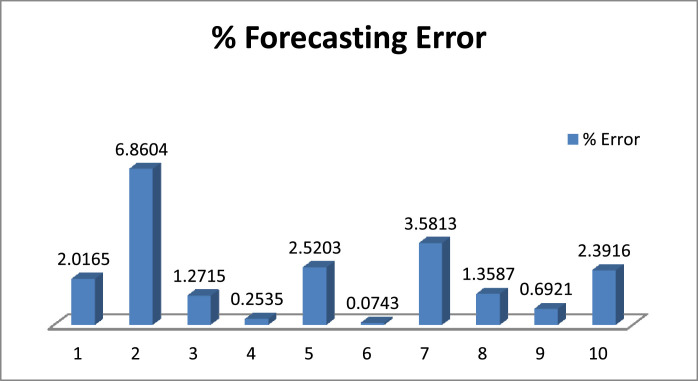
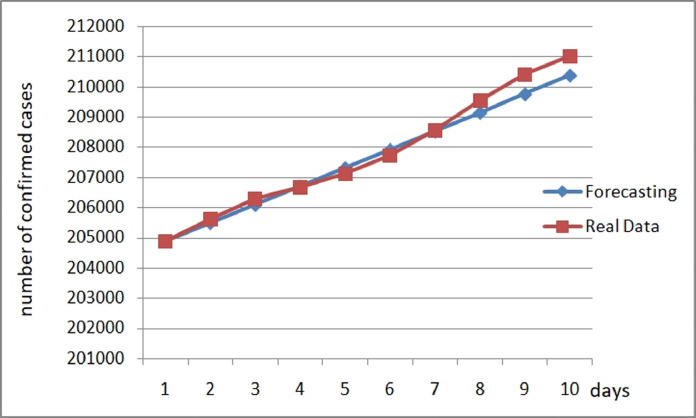
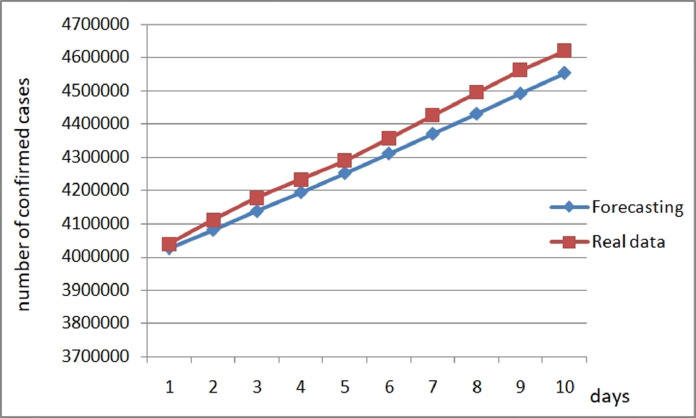
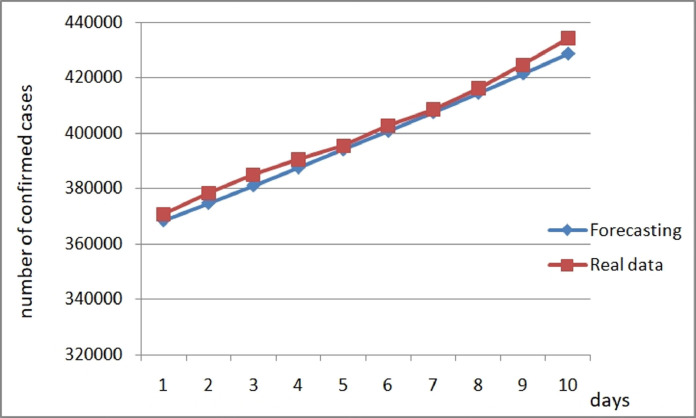
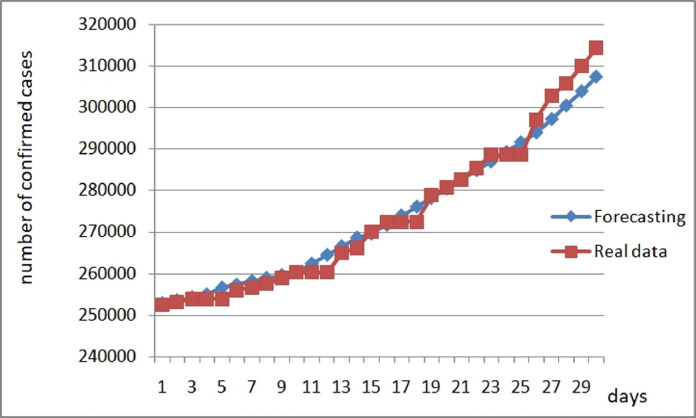
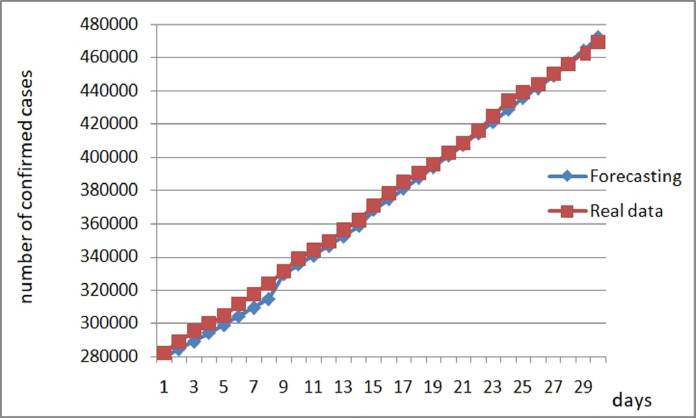
We describe in this paper a hybrid intelligent approach for forecasting COVID-19 time series combining fractal theory and fuzzy logic. The mathematical concept of the fractal dimension is used to measure the complexity of the dynamics in the time series of the countries in the world. Fuzzy Logic is used to represent the uncertainty in the process of making a forecast. The hybrid approach consists on a fuzzy model formed by a set of fuzzy rules that use as input values the linear and nonlinear fractal dimensions of the time series and as outputs the forecast for the countries based on the COVID-19 time series of confirmed cases and deaths. The main contribution is the proposed hybrid approach combining the fractal dimension and fuzzy logic for enabling an efficient and accurate forecasting of COVID-19 time series. Publicly available data sets of 10 countries in the world have been used to build the fuzzy model with time series in a fixed period. After that, other periods of time were used to verify the effectiveness of the proposed approach for the forecasted values of the 10 countries. Forecasting windows of 10 and 30 days ahead were used to test the proposed approach. Forecasting average accuracy is 98%, which can be considered good considering the complexity of the COVID problem. The proposed approach can help people in charge of decision making to fight the pandemic can use the information of a short window to decide immediate actions and also the longer window (like 30 days) can be beneficial in long term decisions.
Keywords: COVID-19; Forecasting; Fractal dimension; Fuzzy logic; Time series.
© 2020 Elsevier Ltd. All rights reserved.
Conflict of interest statement
The authors declare that they have no known competing financial interests or personal relationships that could have appeared to influence the work reported in this paper.
Figures












References
-
- Mandelbrot B. W.H. Freeman and Company; 1987. The fractal geometry of nature.
-
- Castillo O., Melin P. A new method for fuzzy estimation of the fractal dimension and its applications to time series analysis and pattern recognition. Proceedings of NAFIPS’2000; Atlanta, GA, USA; 2000. pp. 451–455.
-
- Yager R., Filev D. Generation of fuzzy rules by mountain clustering. Intell Fuzzy Syst. 1994;2(3):209–219.
-
- Zadeh L.A. The concept of a linguistic variable and its application to approximate reasoning. Inf Sci (Ny) 1975;8:43–80.
-
- Sugeno M., Kang G.T. Structure identification of fuzzy model. Fuzzy Sets Syst. 1988;28:15–33.
LinkOut - more resources
Full Text Sources
