


Financial toxicity and employment status in cancer survivors. A systematic literature review
- PMID: 32865673
- PMCID: PMC7686183
- DOI: 10.1007/s00520-020-05719-z
Financial toxicity and employment status in cancer survivors. A systematic literature review
Abstract
Background: Financial toxicity has traditionally been attributed to the rising costs of cancer care. As ability to work impacts one's financial situation, limited employment and reduced income may also contribute to financial toxicity. We examined evidence of the association between financial toxicity and employment status in cancer survivors.
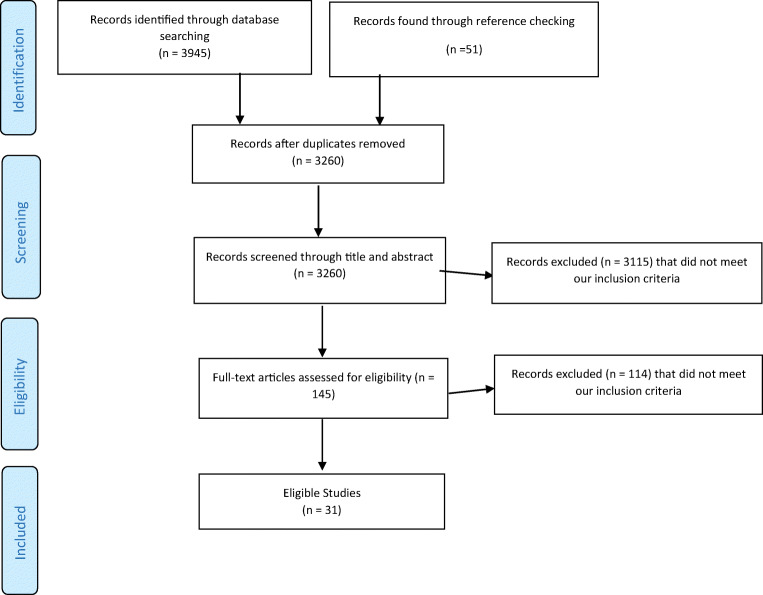
Methods: A systematic literature review was performed via PubMed, Web of Science, CINAHL, and PsycINFO with search terms including "Cancer," "Financial toxicity," and "Employment" on September 25, 2019.
Results: Thirty-one papers met eligibility criteria. Thirteen studies were rated as having high quality, 16 as adequate, and two as low. Being actively treated for cancer had serious negative consequences on employment and medical expenditures. Unemployment, changed or reduced employment, lost days at work, poor work ability, and changes to employment were associated with a higher risk of financial toxicity. Patients who were younger, non-white, unmarried, of low education, living with dependents, residing in non-metropolitan service areas, with lower income, and of low socioeconomic status were more at risk of financial toxicity. Other variables associated with financial toxicity included having a mortgage/personal loan, higher out of pocket costs and household bills, limited health insurance, more severely ill, on active treatment, and lower functioning or quality of life.
Conclusion: Cancer negatively affects employment, and these changes are significant contributors to financial toxicity. Researchers, healthcare professionals, and patients themselves should all cooperate to tackle these complex issues.
Keywords: Cancer survivors; Costs; Employment; Financial toxicity.
Conflict of interest statement
The authors declare that they have no conflict of interest.
References
-
- Zafar SY, Peppercorn JM, Schrag D, Taylor DH, Goetzinger AM, Zhong X, Abernethy AP. The financial toxicity of cancer treatment: a pilot study assessing out-of-pocket expenses and the insured cancer patient’s experience. Oncologist. 2013;18(4):381–390. doi: 10.1634/theoncologist.2012-0279. - DOI - PMC - PubMed
Publication types
MeSH terms
LinkOut - more resources
Full Text Sources
Medical
Research Materials
Miscellaneous
