


How can nanotechnology help to combat COVID-19? Opportunities and urgent need
- PMID: 32891146
- PMCID: PMC7474329
- DOI: 10.1186/s12951-020-00685-4
How can nanotechnology help to combat COVID-19? Opportunities and urgent need
Abstract
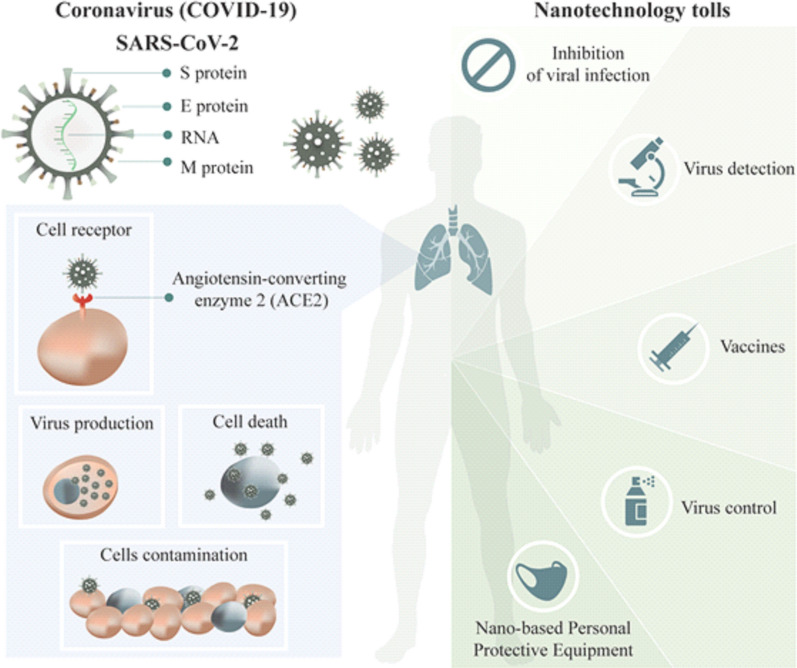
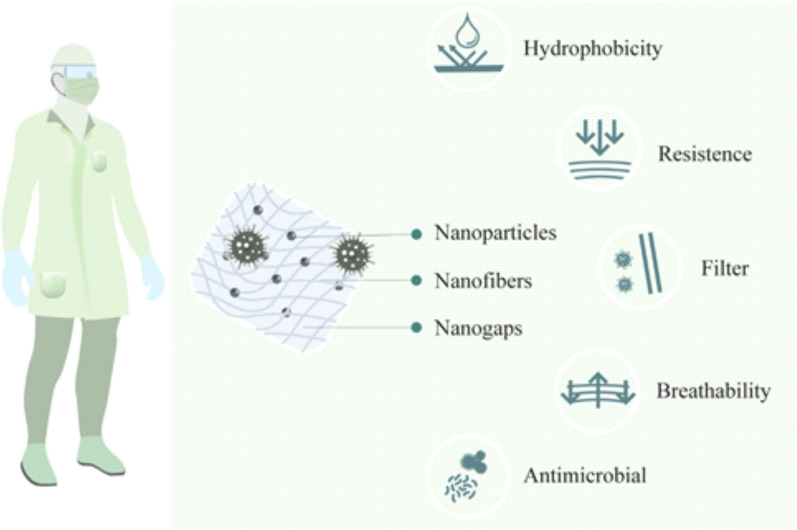
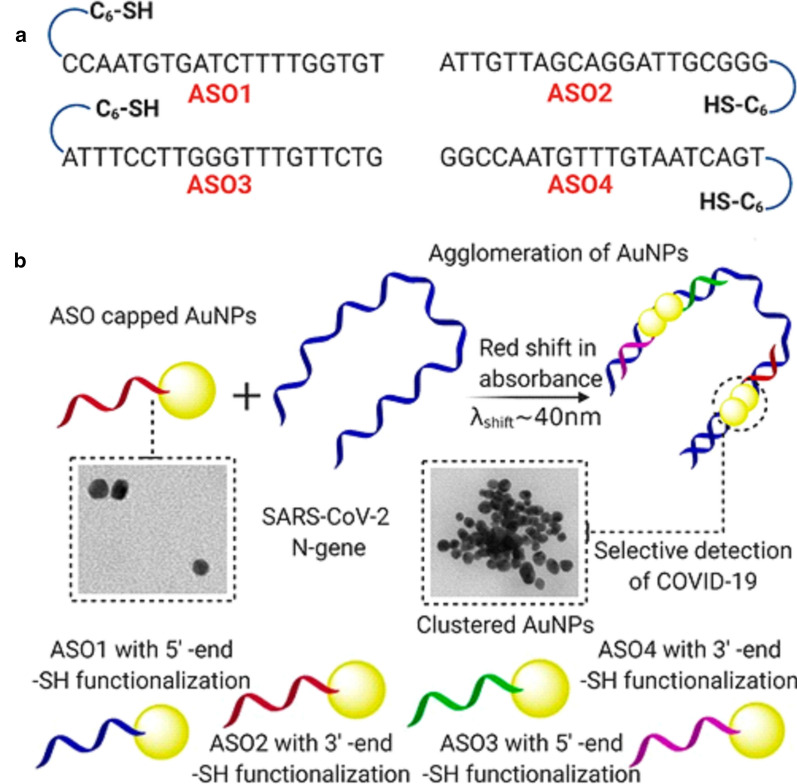
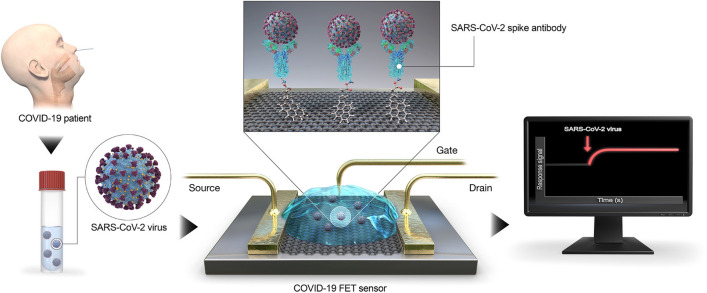
Incidents of viral outbreaks have increased at an alarming rate over the past decades. The most recent human coronavirus known as COVID-19 (SARS-CoV-2) has already spread around the world and shown R0 values from 2.2 to 2.68. However, the ratio between mortality and number of infections seems to be lower in this case in comparison to other human coronaviruses (such as severe acute respiratory syndrome coronavirus (SARS-CoV) and Middle East respiratory syndrome coronavirus (MERS-CoV)). These outbreaks have tested the limits of healthcare systems and have posed serious questions about management using conventional therapies and diagnostic tools. In this regard, the use of nanotechnology offers new opportunities for the development of novel strategies in terms of prevention, diagnosis and treatment of COVID-19 and other viral infections. In this review, we discuss the use of nanotechnology for COVID-19 virus management by the development of nano-based materials, such as disinfectants, personal protective equipment, diagnostic systems and nanocarrier systems, for treatments and vaccine development, as well as the challenges and drawbacks that need addressing.
Keywords: Coronavirus; Nano-vaccines; Nanoparticles; Nanosensors; Nanotechnology; SARS-CoV-2.
Conflict of interest statement
The authors declare that they have no competing interests.
Figures
References
-
- Dhama K, Pawaiya RVS, Chakrabort S, Tiwari R, Saminathan M, Verma AK. Coronavirus infection in equines: a review. Asian J Anim Vet Adv. 2014;9:164–176.
Publication types
MeSH terms
Substances
Grants and funding
- 2019/05100-1/Fundação de Amparo à Pesquisa do Estado de São Paulo
- 2017/24402-1/Fundação de Amparo à Pesquisa do Estado de São Paulo
- 2018/21142-1/Fundação de Amparo à Pesquisa do Estado de São Paulo
- 2018/23608-8/Fundação de Amparo à Pesquisa do Estado de São Paulo
- 2017/21004-5/Fundação de Amparo à Pesquisa do Estado de São Paulo
LinkOut - more resources
Full Text Sources
Miscellaneous
