


Characterization of a rhodanese homologue from Haemonchus contortus and its immune-modulatory effects on goat immune cells in vitro
- PMID: 32894178
- PMCID: PMC7487571
- DOI: 10.1186/s13071-020-04333-6
Characterization of a rhodanese homologue from Haemonchus contortus and its immune-modulatory effects on goat immune cells in vitro
Abstract
Background: Modulation of the host immune response by nematode parasites has been widely reported. Rhodaneses (thiosulfate: cyanide sulfurtransferases) are present in a wide range of organisms, such as archaea, bacteria, fungi, plants and animals. Previously, it was reported that a rhodanese homologue could be bound by goat peripheral blood mononuclear cells (PBMCs) in vivo.
Methods: In the present study, we cloned and produced a recombinant rhodanese protein originating from Haemonchus contortus (rHCRD), a parasitic nematode of small ruminants. rHCRD was co-incubated with goat PBMCs to assess its immunomodulatory effects on proliferation, apoptosis and cytokine secretion.
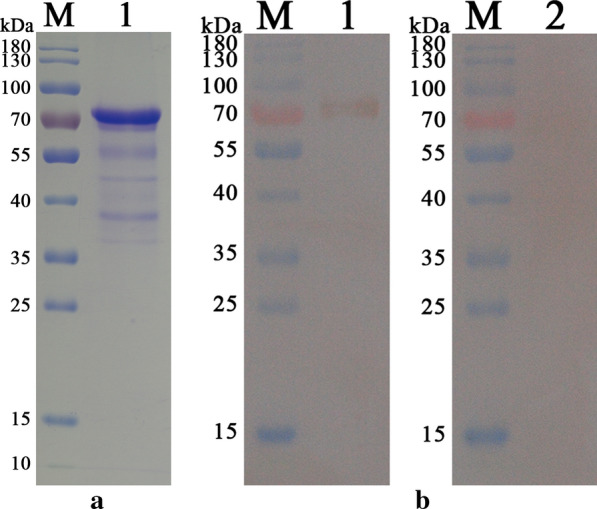
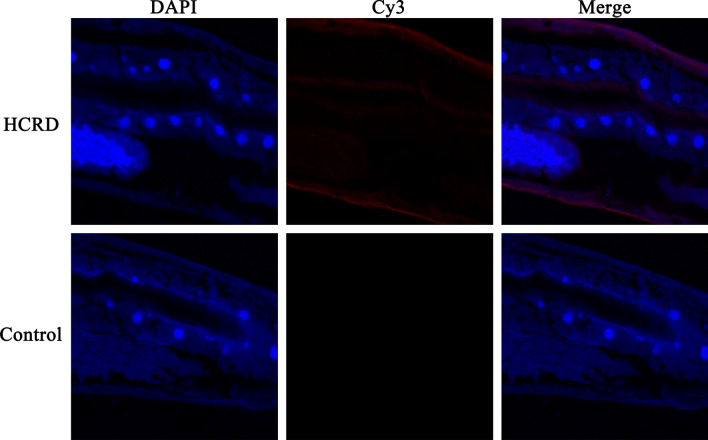
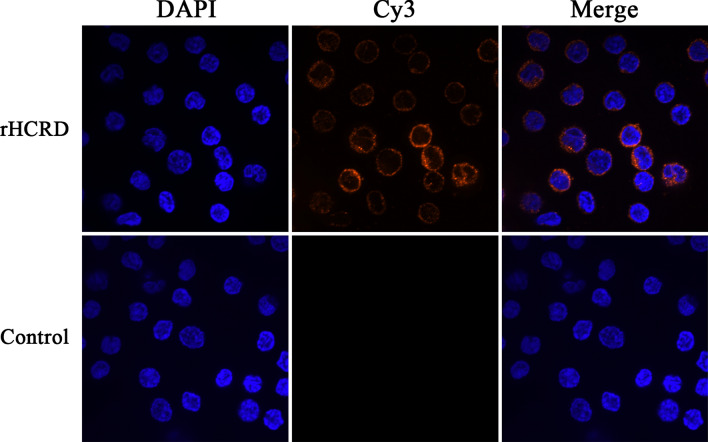
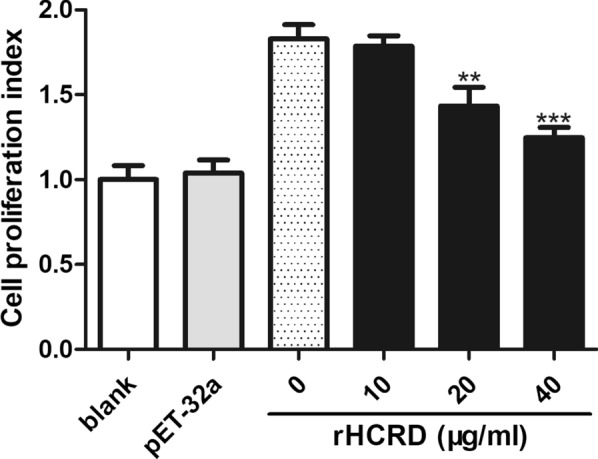
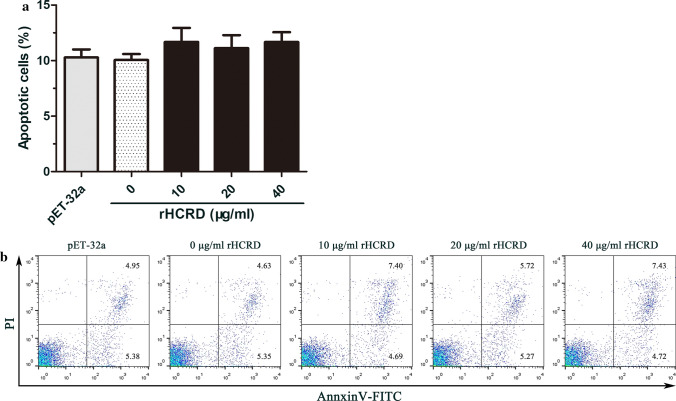
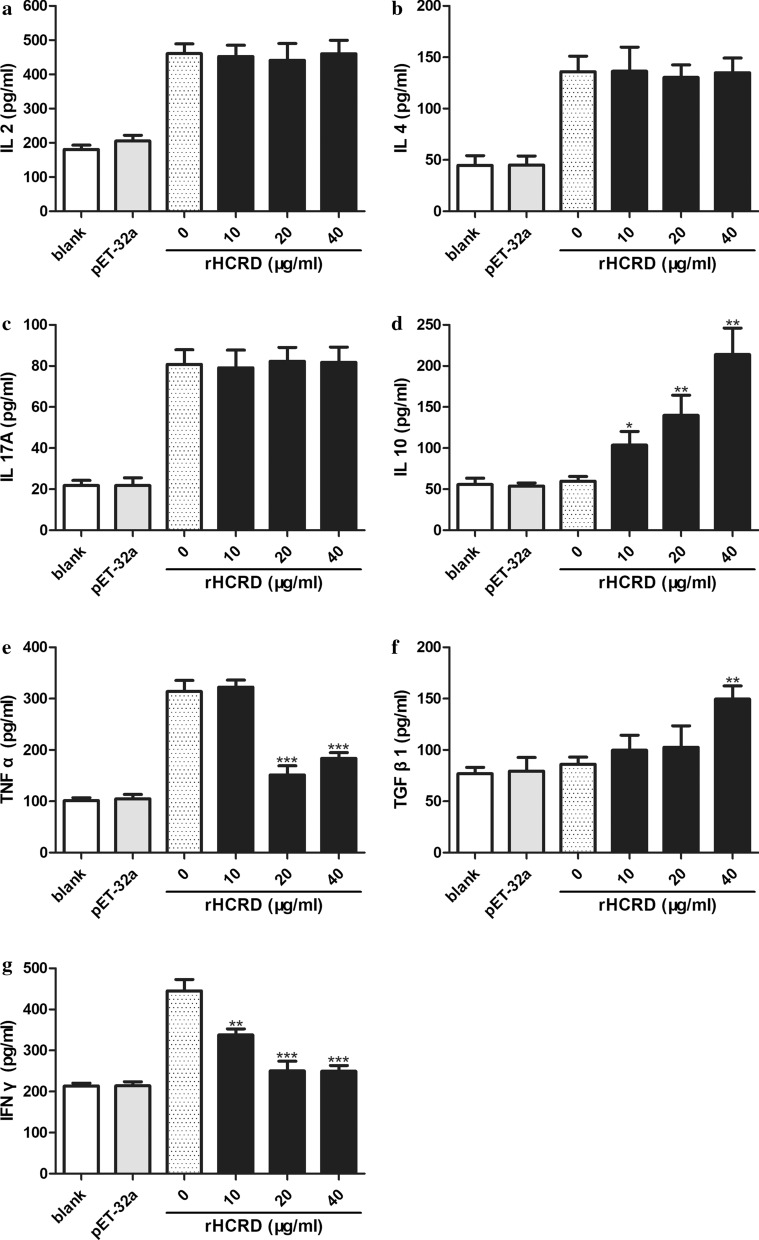
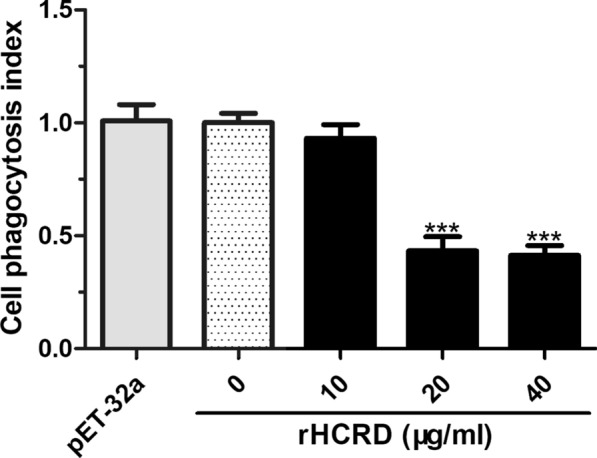
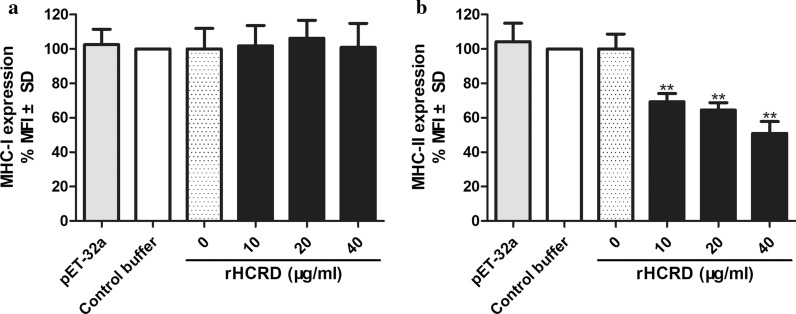
Results: We verified that the natural HCRD protein localized predominantly to the bowel wall and body surface of the parasite. We further demonstrated that serum produced by goats artificially infected with H. contortus successfully recognized rHCRD, which bound to goat PBMCs. rHCRD suppressed proliferation of goat PBMCs stimulated by concanavalin A but did not induce apoptosis in goat PBMCs. The production of TNF-α and IFN-γ decreased significantly, whereas secretion of IL-10 and TGF-β1 increased, in goat PBMCs after exposure to rHCRD. rHCRD also inhibited phagocytosis by goat monocytes. Moreover, rHCRD downregulated the expression of major histocompatibility complex (MHC)-II on goat monocytes in a dose-dependent manner, but did not alter MHC-I expression.
Conclusions: These results propose a possible immunomodulatory target that may help illuminate the interactions between parasites and their hosts at the molecular level and reveal innovative protein species as candidate drug and vaccine targets.
Keywords: Haemonchus contortus; Immunomodulation; Peripheral blood mononuclear cell (PBMC); Rhodanese.
Conflict of interest statement
The authors declare that they have no competing interests.
Figures
References
-
- Besier RB, Kahn LP, Sargison ND, Van Wyk JA. The pathophysiology, ecology and epidemiology of Haemonchus contortus infection in small ruminants. Adv Parasit. 2016;93:95–143. - PubMed
-
- Behnke JM, Williams DJ, Hannah J, Pritchard DI. Immunological relationships during primary infection with Heligmosomoides polygyrus (Nematospiroides dubius): the capacity of adult worms to survive following transplantation to recipient mice. Parasitology. 1987;95:569–581. - PubMed
-
- Maizels RM, Blaxter ML, Scott AL. Immunological genomics of Brugia malayi: filarial genes implicated in immune evasion and protective immunity. Parasite Immunol. 2001;23(7):327–344. - PubMed
-
- Else KJ. Have gastrointestinal nematodes outwitted the immune system? Parasite Immunol. 2005;27:407–415. - PubMed
-
- van Riet E, Hartgers FC, Yazdanbakhsh M. Chronic helminth infections induce immunomodulation: consequences and mechanisms. Immunobiology. 2007;212:475–490. - PubMed
MeSH terms
Substances
Grants and funding
LinkOut - more resources
Full Text Sources
Research Materials
