


A randomized comparison of training programs using a pelvic model designed to enhance pelvic floor examination in patients presenting with chronic pelvic pain
- PMID: 32897461
- PMCID: PMC7477739
- DOI: 10.1007/s00192-020-04487-y
A randomized comparison of training programs using a pelvic model designed to enhance pelvic floor examination in patients presenting with chronic pelvic pain
Abstract
Introduction: Pelvic floor myalgia is a common cause and contributor to chronic pelvic pain [Neurourol Urodyn 4:984-1008 (2017)]. The purpose of this study was to compare in-person versus video-based teaching methods of a comprehensive assessment of the pelvic floor musculature on a pelvic model.
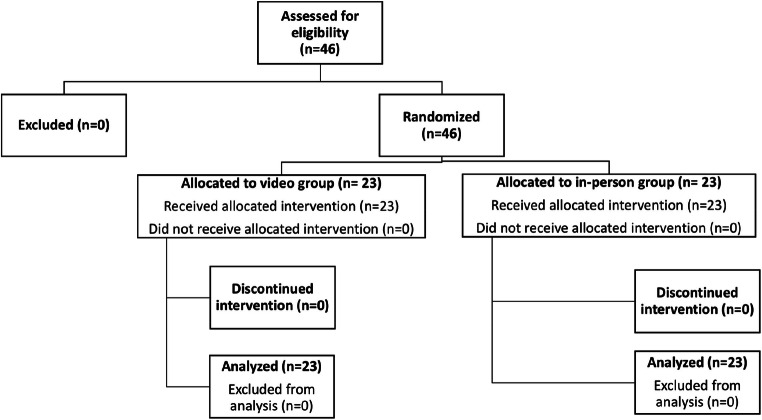
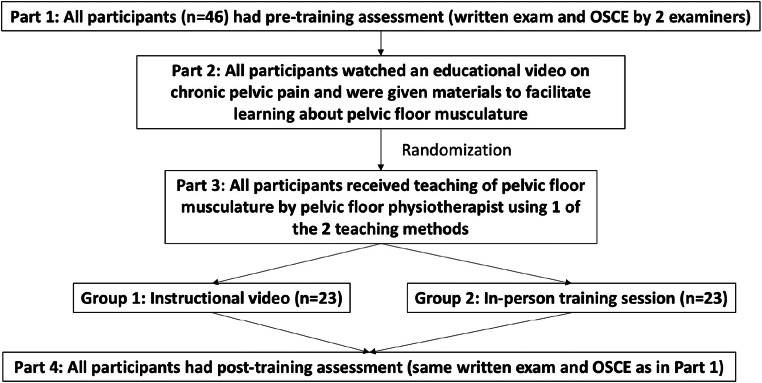
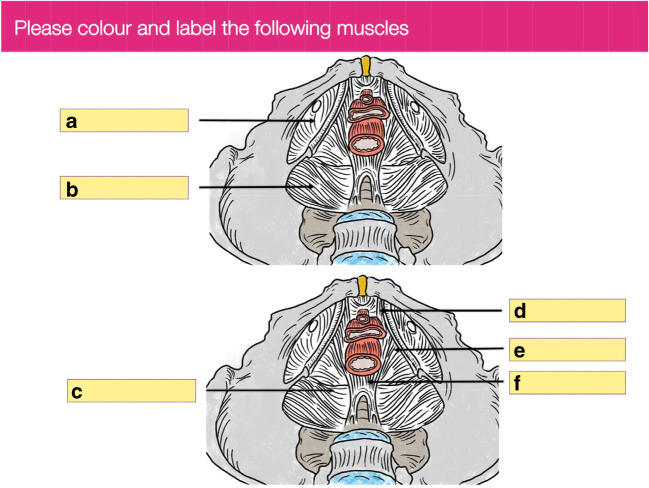
Methods: A randomized controlled trial of 46 participants was conducted. The participants were randomized into two groups. Both groups were taught by the same pelvic floor physiotherapist using two different teaching methods on a pelvic model. Group 1 watched an instructional video, whereas group 2 had in-person training. Both groups underwent pre- and post-training assessments consisting of a written examination and an Objective Structured Clinical Examination (OSCE). Primary outcome measure was the change in participants' pre- and post-training assessment scores. Secondary outcome measures were perceived changes in both participants' comfort level in performing pelvic floor examination and applicability of the training program to clinical practice.
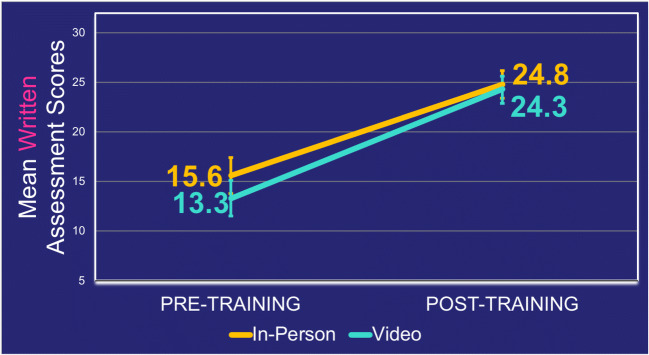
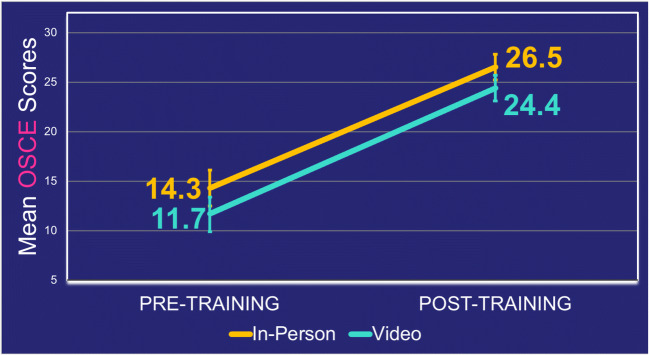
Results: There was no statistically significant difference between the teaching methods in the degree of improvement of the participants' mean written assessment scores (p = 0.58), OSCE scores (p = 0.15), and perceived comfort level (p = 0.19). Participants' mean pre- and post-assessment scores improved significantly (p < 0.001). Participants reported the training program to be applicable towards their clinical practice.
Conclusions: This study demonstrates that learners' assessment of pelvic floor musculature can be enhanced using varied teaching methods on a pelvic model.
Keywords: Chronic pelvic pain; In-person teaching; Pelvic floor musculature; Pelvic model; Teaching methods; Video-based teaching.
Conflict of interest statement
The authors declare that they have no conflict of interest.
Figures
References
-
- Doggweiler R, Whitmore KE, Meijink JM, Drake MJ, Frawley H, Nordling J, et al. A standard for terminology in chronic pelvic pain syndromes: a report from the chronic pelvic pain working group of the international continence society. Neurourol Urodyn. 2017;4:984–1008. doi: 10.1002/nau.23072. - DOI - PubMed
-
- Fitzgerald CM, Neville CE, Mallinson T, Badillo SA, Hynes CK, Tu FF. Pelvic floor muscle examination in female chronic pelvic pain. J Reprod Med. 2011;56(3–4):117–122. - PubMed
Publication types
MeSH terms
LinkOut - more resources
Full Text Sources
Medical
