


The potential threat of multisystem inflammatory syndrome in children during the COVID-19 pandemic
- PMID: 32897642
- PMCID: PMC7887110
- DOI: 10.1111/pai.13361
The potential threat of multisystem inflammatory syndrome in children during the COVID-19 pandemic
Abstract
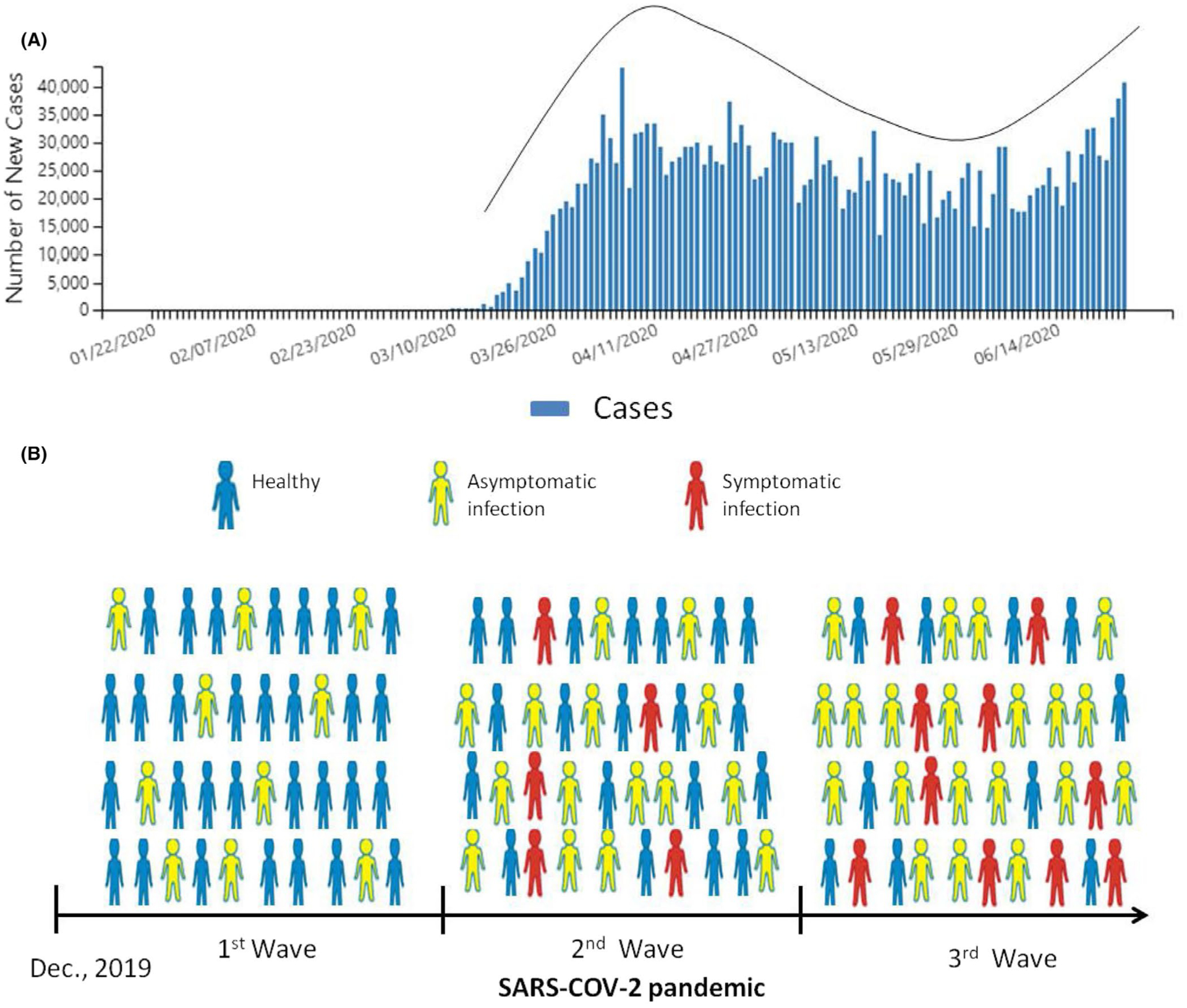
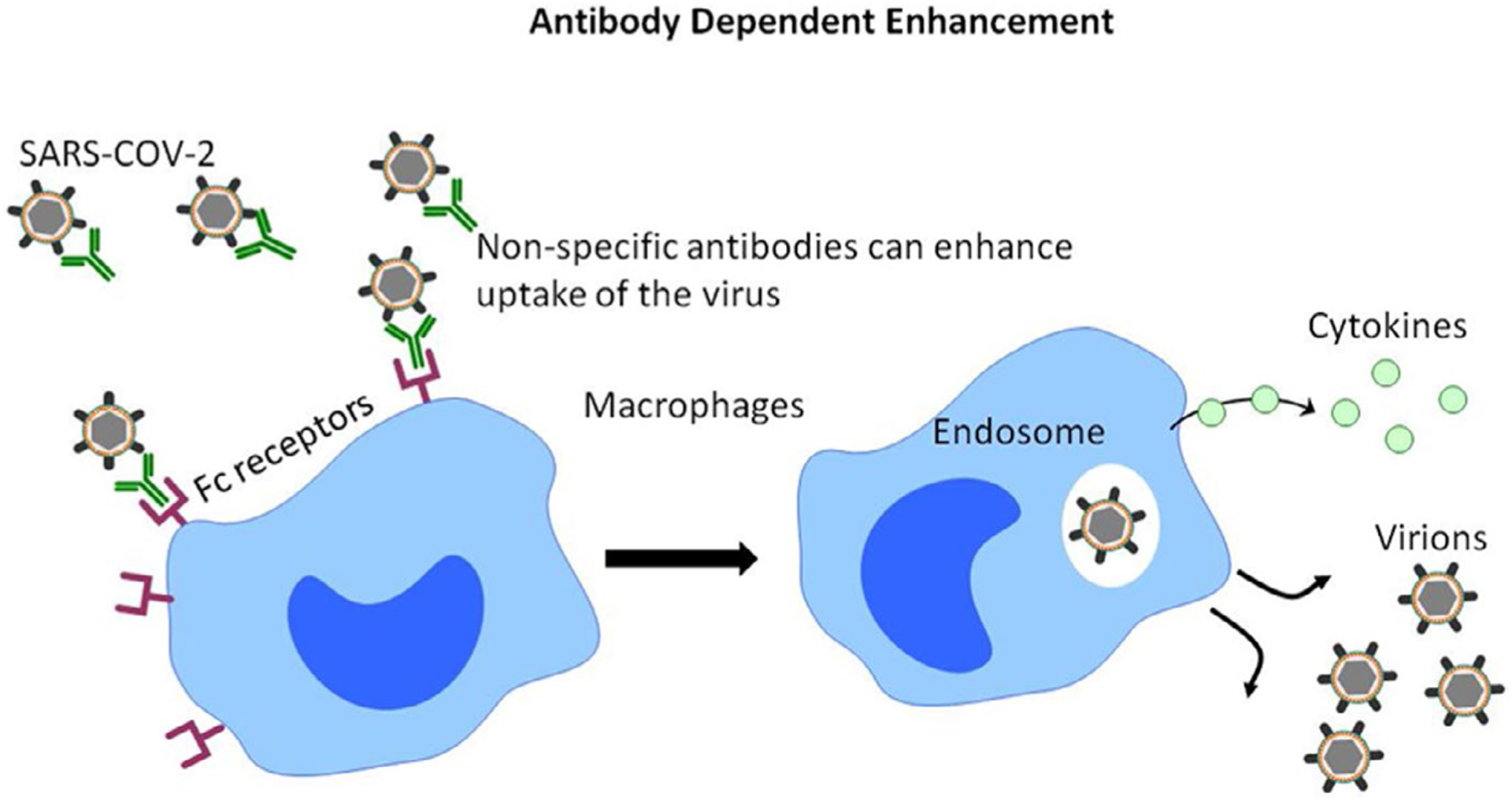
Multisystem inflammatory syndrome in children (MIS-C) during the COVID-19 pandemic raised a global alert from the Centers for Disease Control and Prevention's Health Alert Network. The main manifestations of MIS-C (also known as pediatric MIS (PMIS)) in the setting of a severe inflammatory state include fever, diarrhea, shock, and variable presence of rash, conjunctivitis, extremity edema, and mucous membrane changes. In some cases, these symptoms progressed to multi-organ failure. The low percentage of children with asymptomatic cases compared with mild illness and moderate illness could be correlated with the rare cases of MIS-C. One potential explanation for the progression to severe MIS-C disease despite the presence of readily detectable anti-SARS-CoV-2 antibodies could be due to the potential role of antibody-dependent enhancement (ADE). We reason that the incidence of the ADE phenomenon whereby the pathogen-specific antibodies can promote pathology should be considered in vaccine development against SARS-CoV-2.
Keywords: COVID-19; Kawasaki syndrome; SARS-CoV-2; antibody-dependent enhancement; multisystem inflammatory syndrome.
© 2020 EAACI and John Wiley and Sons A/S. Published by John Wiley and Sons Ltd.
Conflict of interest statement
CONFLICT OF INTEREST
The authors declare that no conflict of interest exists.
Figures
References
-
- Multisystem Inflammatory Syndrome in Children (MIS-C) Associated with Coronavirus Disease 2019 (COVID-19). https://emergency.cdc.gov/han/2020/han00432.asp
Publication types
MeSH terms
Substances
Supplementary concepts
Grants and funding
LinkOut - more resources
Full Text Sources
Medical
Miscellaneous
