


Perfluorobutane sulfonate exposure disrupted human placental cytotrophoblast cell proliferation and invasion involving in dysregulating preeclampsia related genes
- PMID: 32901980
- PMCID: PMC9012146
- DOI: 10.1096/fj.202000716RR
Perfluorobutane sulfonate exposure disrupted human placental cytotrophoblast cell proliferation and invasion involving in dysregulating preeclampsia related genes
Abstract
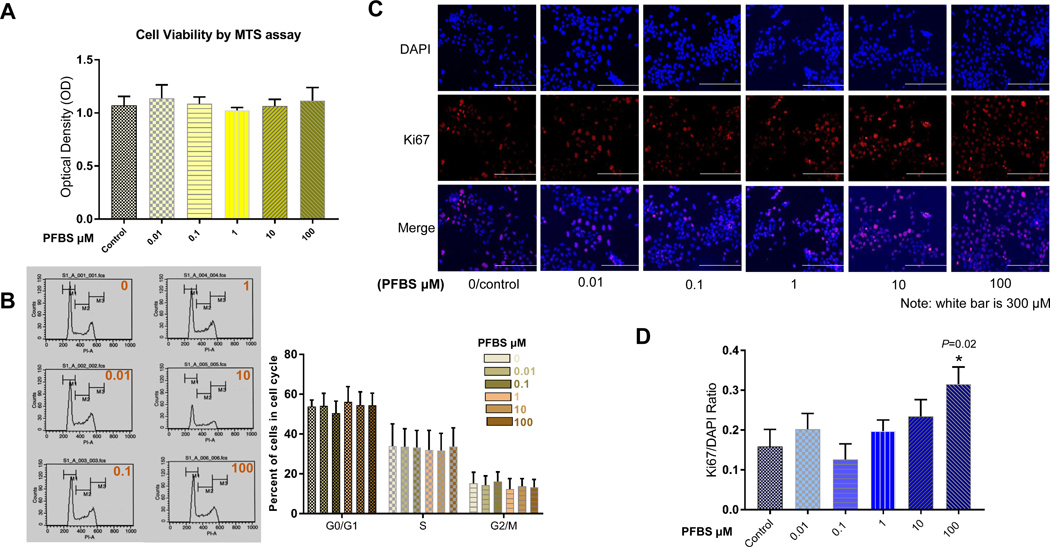
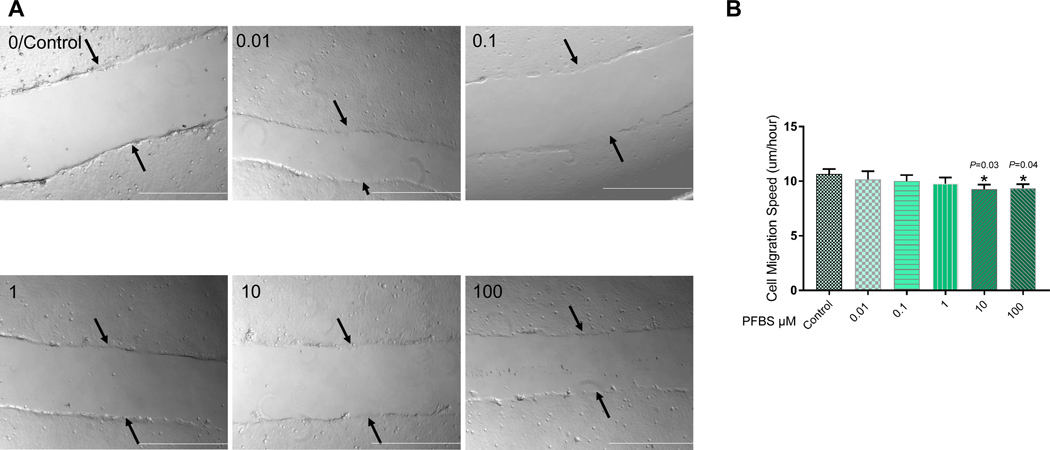
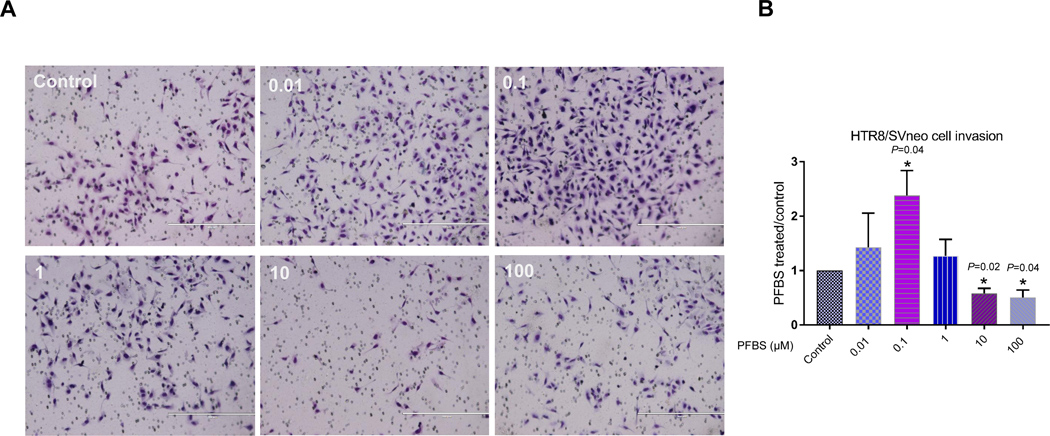
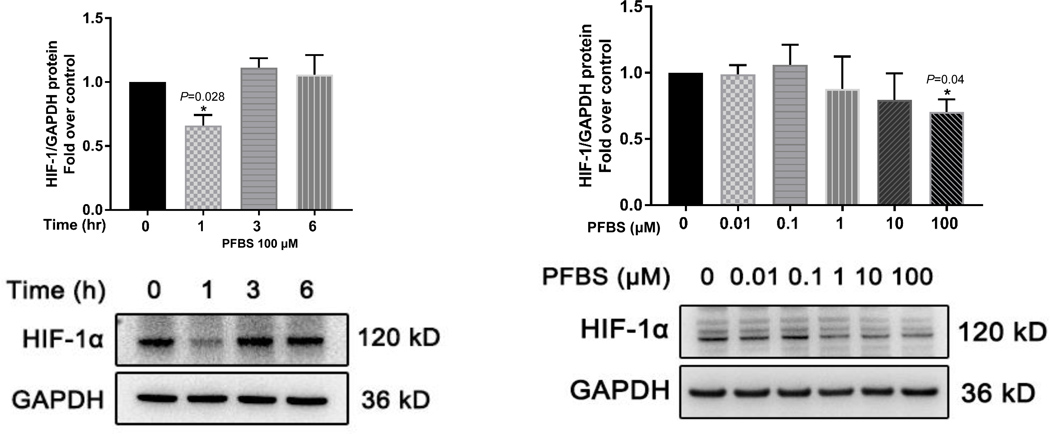
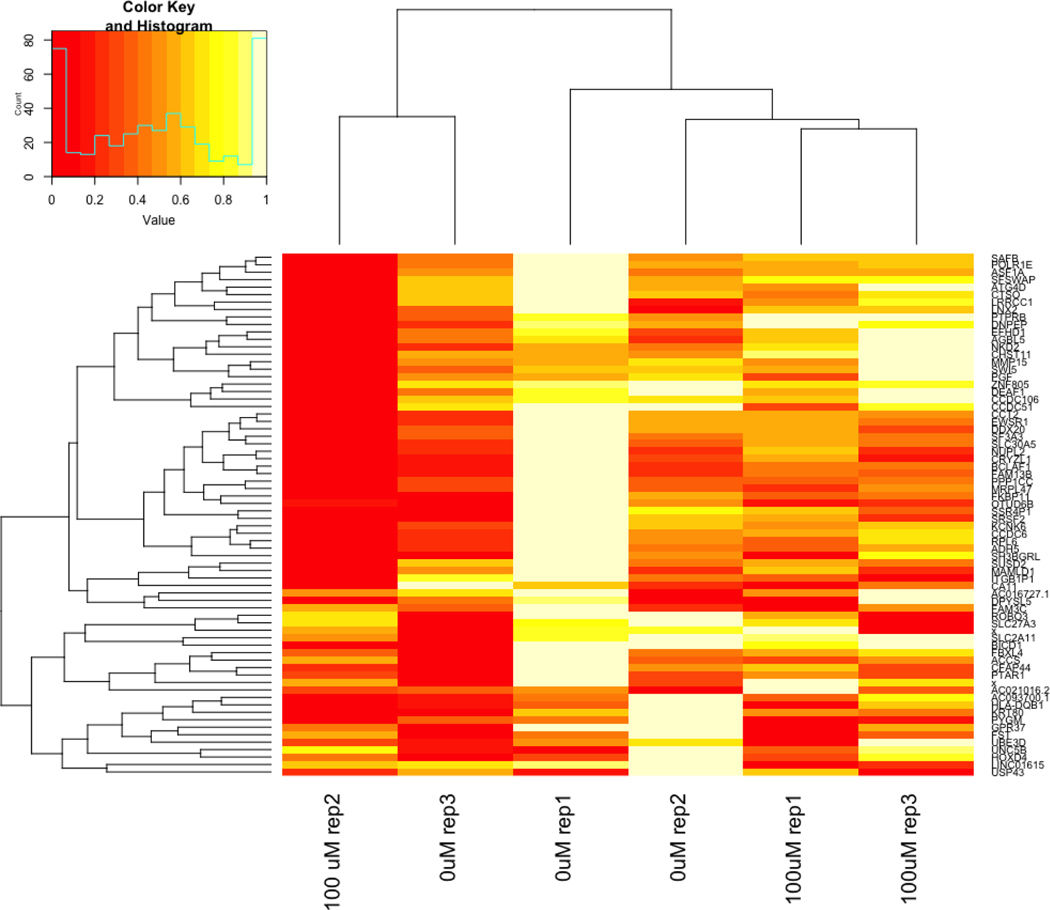
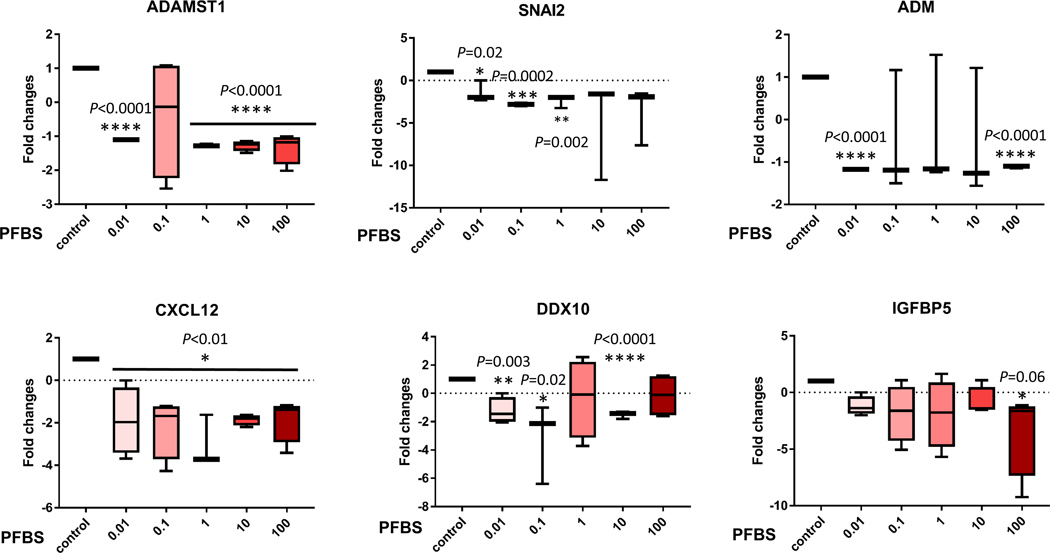
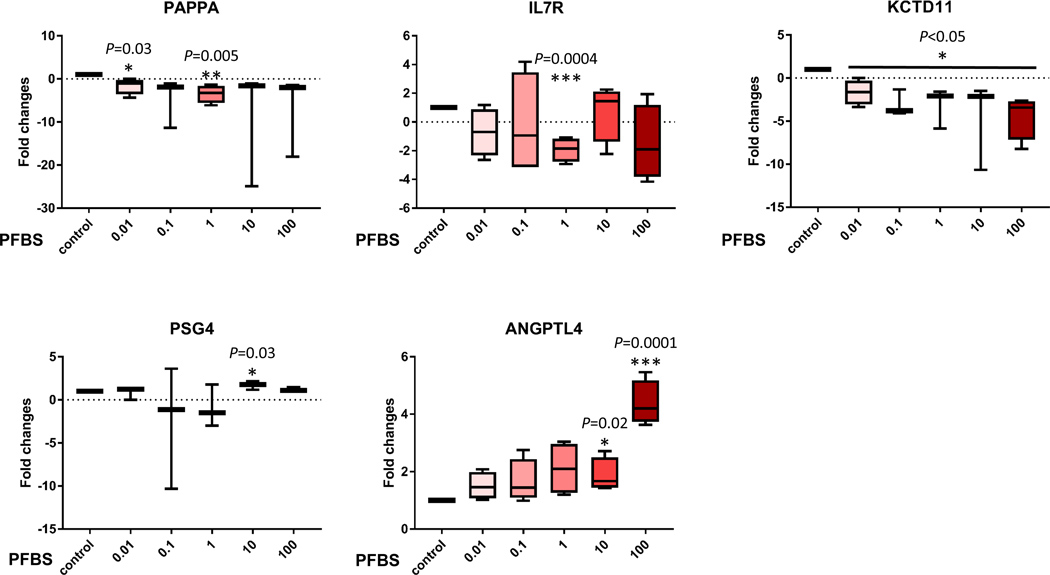
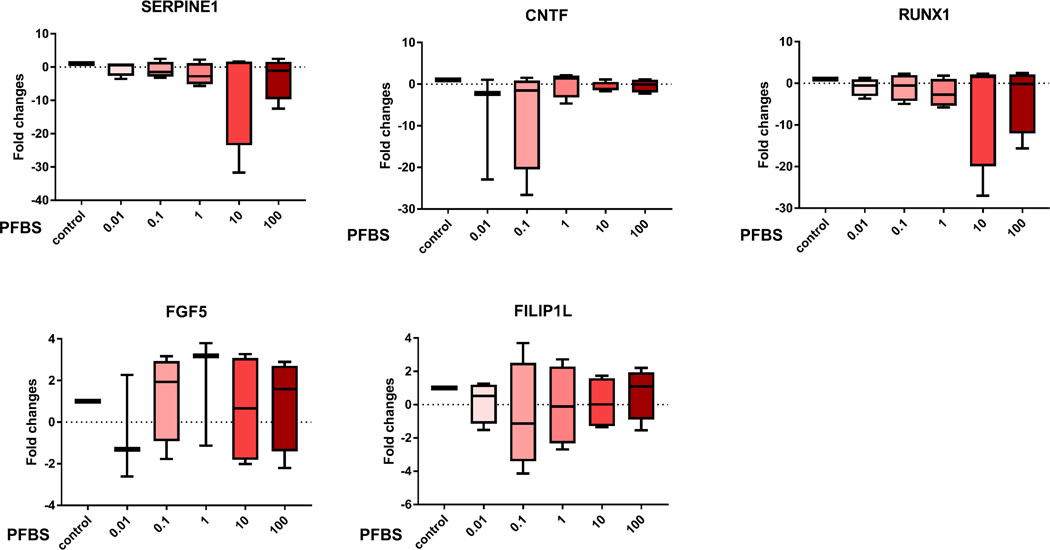
We reported that maternal PFBS, an emerging pollutant, exposure is positively associated with preeclampsia which can result from aberrant trophoblasts invasion and subsequent placental ischemia. In this study, we investigated the effects of PFBS on trophoblasts proliferation/invasion and signaling pathways. We exposed a human trophoblast line, HTR8/SVneo, to PFBS. Cell viability, proliferation, and cell cycle were evaluated by the MTS assay, Ki-67 staining, and flow cytometry, respectively. We assessed cell migration and invasion with live-cell imaging-based migration assay and matrigel invasion assay, respectively. Signaling pathways were examined by Western blot, RNA-seq, and qPCR. PFBS exposure interrupted cell proliferation and invasion in a dose-dependent manner. PFBS (100 μM) did not cause cell death but instead significant cell proliferation without cell cycle disruption. PFBS (10 and 100 μM) decreased cell migration and invasion, while PFBS (0.1 μM) significantly increased cell invasion but not migration. Further, RNA-seq analysis identified dysregulated HIF-1α target genes that are relevant to cell proliferation/invasion and preeclampsia, while Western Blot data showed the activation of HIF-1α, but not Notch, ERK1/2, (PI3K)AKT, and P38 pathways. PBFS exposure altered trophoblast cell proliferation/invasion which might be mediated by preeclampsia-related genes, suggesting a possible association between prenatal PFBS exposure and adverse placentation.
Keywords: PFBS; invasion; placenta cytotrophoblast; preeclampsia; proliferation.
© 2020 Federation of American Societies for Experimental Biology.
Figures
References
-
- Pelch KE, Reade A, Wolffe TAM, and Kwiatkowski CF (2019) PFAS health effects database: Protocol for a systematic evidence map. Environment international 130, 104851. - PubMed
-
- Zushi Y, Hogarh JN, and Masunaga S (2012) Progress and perspective of perfluorinated compound risk assessment and management in various countries and institutes. Clean Technologies and Environmental Policy 14, 9–20
-
- Gorrochategui E, Perez-Albaladejo E, Casas J, Lacorte S, and Porte C (2014) Perfluorinated chemicals: differential toxicity, inhibition of aromatase activity and alteration of cellular lipids in human placental cells. Toxicol Appl Pharmacol 277, 124–130 - PubMed
-
- Fromme H, Tittlemier SA, Volkel W, Wilhelm M, and Twardella D (2009) Perfluorinated compounds--exposure assessment for the general population in Western countries. International journal of hygiene and environmental health 212, 239–270 - PubMed
-
- Parsons JR, Sáez M, Dolfing J, and de Voogt P (2008) Biodegradation of Perfluorinated Compounds. In Reviews of Environmental Contamination and Toxicology Vol 196 (Whitacre DM, ed) pp. 53–71, Springer US, New York, NY: - PubMed
Publication types
MeSH terms
Substances
Grants and funding
LinkOut - more resources
Full Text Sources
Miscellaneous
