Randomized Controlled Trial
. 2020 Sep 9;17(9):e1003282.
doi: 10.1371/journal.pmed.1003282. eCollection 2020 Sep.

Mediterranean diet and endothelial function in patients with coronary heart disease: An analysis of the CORDIOPREV randomized controlled trial

Affiliations
Randomized Controlled Trial

Mediterranean diet and endothelial function in patients with coronary heart disease: An analysis of the CORDIOPREV randomized controlled trial

Elena M Yubero-Serrano et al. PLoS Med. .

Abstract

Background: Endothelial dysfunction is a crucial step in atherosclerosis development, and its severity is determinant for the risk of cardiovascular recurrence. Diet may be an effective strategy to protect the endothelium, although there is no consensus about the best dietary model. The CORonary Diet Intervention with Olive oil and cardiovascular PREVention (CORDIOPREV) study is an ongoing prospective, randomized, single-blind, controlled trial in 1,002 coronary heart disease (CHD) patients, whose primary objective is to compare the effect of 2 healthy dietary patterns (low-fat versus Mediterranean diet) on the incidence of cardiovascular events. Here, we report the results of one secondary outcome of the CORDIOPREV study: to evaluate the effect of these diets on endothelial function, assessed by flow-mediated dilation (FMD) of the brachial artery.

Methods and findings: From the total participants taking part in the CORDIOPREV study, 805 completed endothelial function study at baseline and were randomized to follow a Mediterranean diet (35% fat, 22% monounsaturated fatty acids [MUFAs], and <50% carbohydrates) or a low-fat diet (28% fat, 12% MUFAs, and >55% carbohydrates), with endothelial function measurement repeated after 1 year. As secondary objectives and to explore different underlying mechanisms in the modulation of endothelial function, we quantified endothelial microparticles (EMPs) and endothelial progenitor cells (EPCs) and evaluated, in 24 preselected patients, in vitro cellular processes related to endothelial damage (reactive oxygen species, apoptosis, and senescence) and endothelial repair (cell proliferation and angiogenesis), as well as other modulators (micro-RNAs [miRNAs] and proteins). Patients who followed the Mediterranean diet had higher FMD (3.83%; 95% confidence interval [CI]: 2.91-4.23) compared with those in the low-fat diet (1.16%; 95% CI: 0.80 to 1.98) with a difference between diets of 2.63% (95% CI: 1.89-3.40, p = 0.011), even in those patients with severe endothelial dysfunction. We observed higher EPC levels (group difference: 1.64%; 95% CI: 0.79-2.13, p = 0.028) and lower EMPs (group difference: -755 EMPs/μl; 95% CI: -1,010 to -567, p = 0.015) after the Mediterranean diet compared with the low-fat diet in all patients. We also observed lower intracellular reactive oxygen species (ROS) production (group difference: 11.1; 95% CI: 2.5 to 19.6, p = 0.010), cellular apoptosis (group difference: -20.2; 95% CI: -26.7 to -5.11, p = 0.013) and senescence (18.0; 95% CI: 3.57 to 25.1, p = 0.031), and higher cellular proliferation (group difference: 11.3; 95% CI: 4.51 to 13.5, p = 0.011) and angiogenesis (total master segments length, group difference: 549; 95% CI: 110 to 670, p = 0.022) after the Mediterranean diet than the low-fat diet. Each dietary intervention was associated with distinct changes in the epigenetic and proteomic factors that modulate biological process associated with endothelial dysfunction. The evaluation of endothelial function is a substudy of the CORDIOPREV study. As in any substudy, these results should be treated with caution, such as the potential for false positives because of the exploratory nature of the analyses.

Conclusions: Our results suggest that the Mediterranean diet better modulates endothelial function compared with a low-fat diet and is associated with a better balance of vascular homeostasis in CHD patients, even in those with severe endothelial dysfunction.

Clinical trial registration: URL, http://www.cordioprev.es/index.php/en. clinicaltrials.gov number NCT00924937.


Conflict of interest statement

The authors have declared that no competing interests exist.

Figures
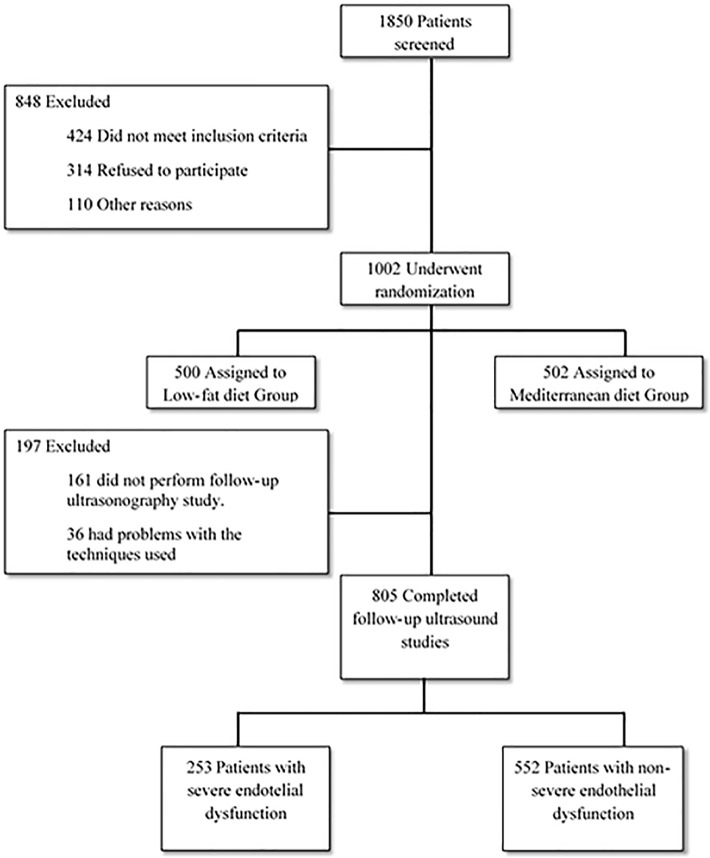
Fig 1
Fig 1. Screening and randomization flow-chart of the CORDIOPREV study and the ultrasound assessment of endothelial-dependent flow-mediated vasodilation of the brachial artery.
CORDIOPREV, CORonary Diet Intervention with Olive oil and cardiovascular PREVention.
Fig 2
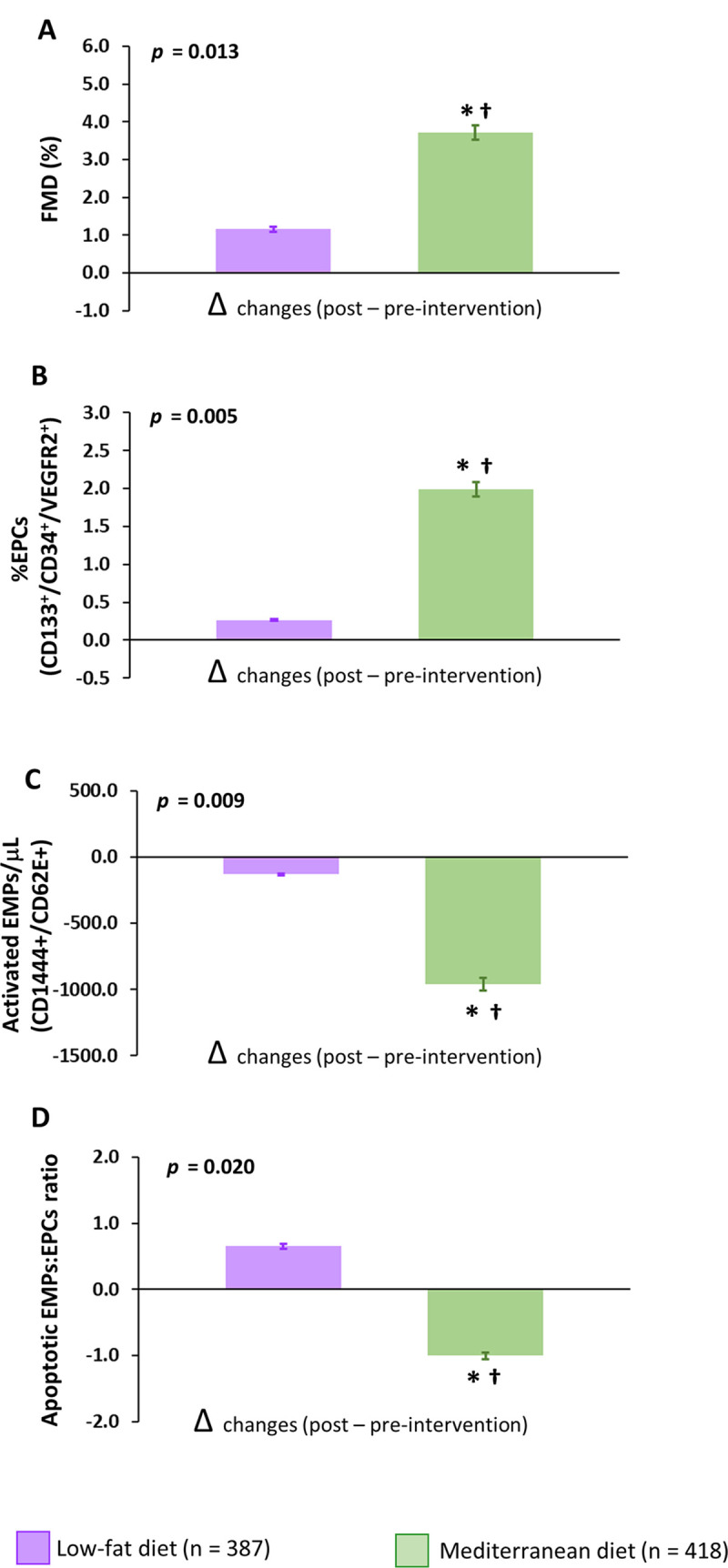
Fig 2. Effect of dietary intervention on endothelial function and other parameters related to endothelial functionality in total patients.
(A) FMD, (B) circulating EPCs, (C) EMPs, and (D) EMP/EPC ratio. Data are presented as Δchanges produced between post- and preintervention ±SE. Variables were compared using the analysis of variance (univariate ANOVA), adjusted by age, sex, and pharmacological treatment. *Significant changes between Mediterranean diet and low-fat diet (p < 0.05). †Significant changes between post- and preintervention in each diet (p < 0.05). CD, cluster of differentiation; EPC, endothelial progenitor cell; EMP, endothelial microparticle; FMD, flow-mediated dilation; VEGFR2, Vascular Endothelial Growth Factor Receptor 2.
Fig 3
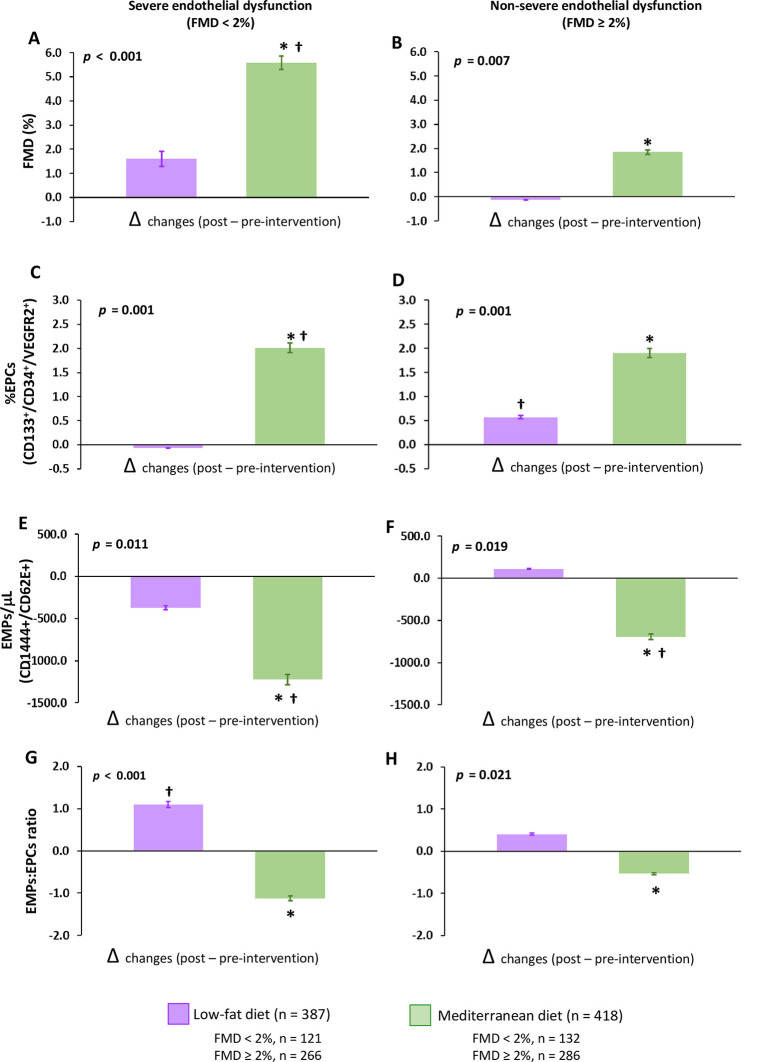
Fig 3. Effect of dietary intervention on endothelial function and other parameters related to endothelial functionality in patients classified according to the severity of endothelial dysfunction.
(A and B) FMD, (C and D) circulating EPCs, (E and F) EMPs, and (G and H) EMP/EPC ratio. FMD < 2%, patients with severe endothelial dysfunction; FMD ≥ 2%, patients with nonsevere endothelial dysfunction. Data are presented as Δchanges produced between post- and preintervention ±SE. Variables were compared using the analysis of variance (univariate ANOVA), adjusted by age, sex, and pharmacological treatment. *Significant changes between Mediterranean diet and low-fat diet (p < 0.05). †Significant changes between post- and preintervention in each diet (p < 0.05). CD, cluster of differentiation; EPC, endothelial progenitor cell; EMP, endothelial microparticle; FMD, flow-mediated dilation; VEGFR2, Vascular Endothelial Growth Factor Receptor 2.
Fig 4
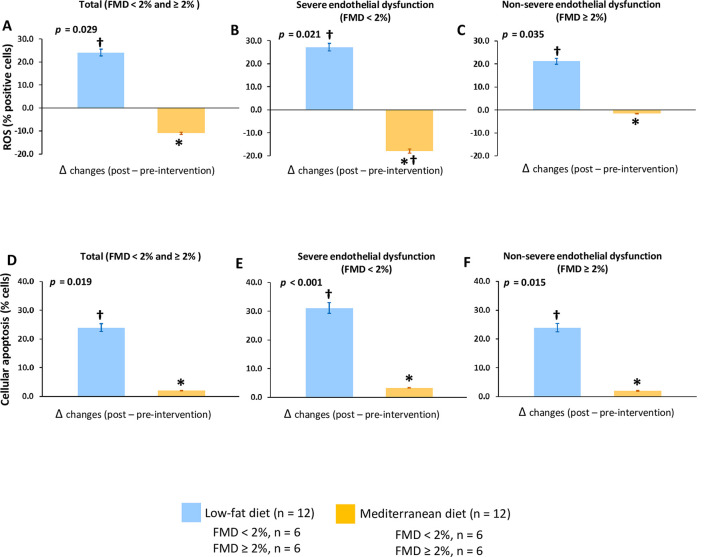
Fig 4. Effect of dietary intervention on in vitro intracellular ROS production and cellular apoptosis.
(A, B, and C) Intracellular ROS production in total patients and classified according severity of endothelial dysfunction, respectively. (D, E, and F) Cellular apoptosis in total patients and classified according severity of endothelial dysfunction, respectively. All in vitro experiments were performed in HUVECs incubated with serum samples from 24 selected CHD patients. FMD < 2%, patients with severe endothelial dysfunction; FMD ≥ 2%, patients with nonsevere endothelial dysfunction. Data are presented as Δchanges produced between post- and preintervention ±SE. Variables were compared using the analysis of variance (univariate ANOVA). *Significant changes between Mediterranean diet and low-fat diet (p < 0.05). †Significant changes between post- and preintervention in each diet (p < 0.05). CHD, coronary heart disease; FMD, flow-mediated dilation; HUVEC, human umbilical vein endothelial cell; ROS, reactive oxygen species.
Fig 5
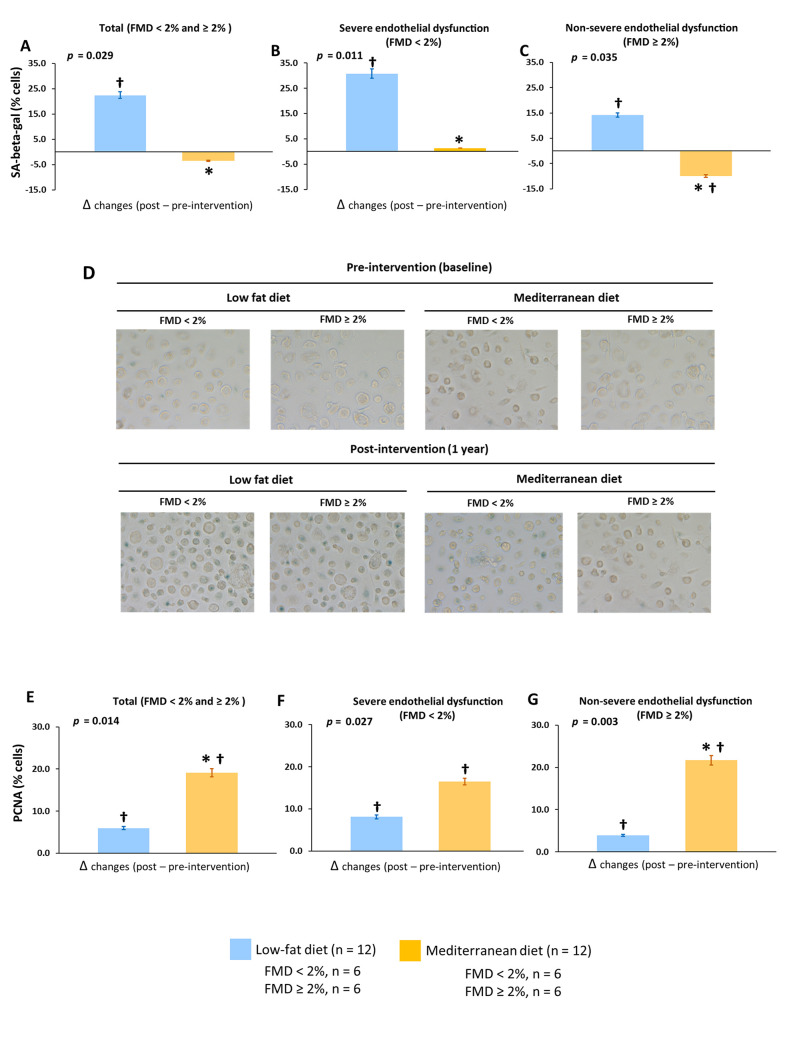
Fig 5. Effect of dietary intervention on in vitro cellular senescence and cellular proliferation.
5. (A, B, and C) Cellular senescence in total patients and classified according severity of endothelial dysfunction, respectively. (E, F, and G) Cellular proliferation in total patients and classified according severity of endothelial dysfunction, respectively. (D) Representative optical microscopy images of the in vitro senescence assay at the final time point (24 h) (40×). All in vitro experiments were performed in EPCs incubated with serum samples from 24 selected CHD patients. FMD < 2%, patients with severe endothelial dysfunction; FMD ≥ 2%, patients with nonsevere endothelial dysfunction. Data are presented as Δchanges produced between post- and preintervention ±SE. Variables were compared using the analysis of variance (univariate ANOVA). †Significant changes between post- and preintervention in each diet (p < 0.05). *Significant changes between Mediterranean diet and low-fat diet (p < 0.05). CHD, coronary heart disease; EPC, endothelial progenitor cell; FMD, flow-mediated dilation; PCNA, proliferating cell nuclear antigen; SA-beta-gal, senescence-associated beta-galactosidase.
Fig 6
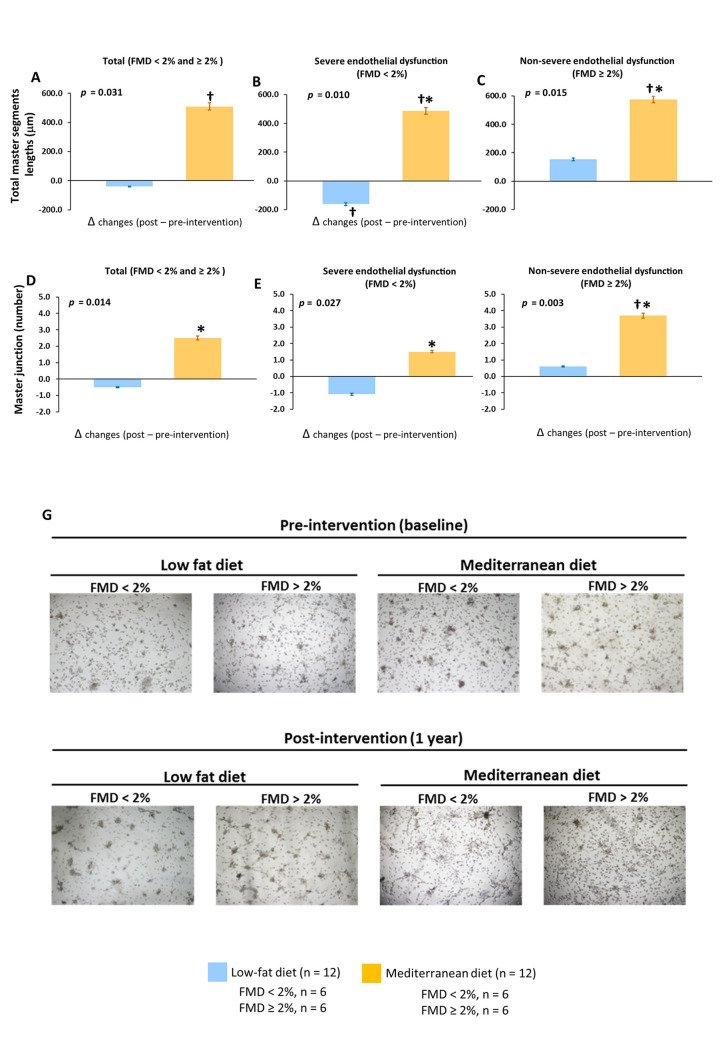
Fig 6. Effect of dietary intervention on in vitro angiogenic capacity.
(A, B, and C) Total master segment length in total patients and classified according severity of endothelial dysfunction, respectively. (D, E, and F) Number of master junctions in total patients and classified according severity of endothelial dysfunction, respectively. (G) Representative optical microscopy images of the formation of vessels in the in vitro angiogenesis assay on Matrigel at the final time point (10 h) (40×). All in vitro experiments were performed in EPCs incubated with serum samples from 24 selected CHD patients. FMD < 2%, patients with severe endothelial dysfunction; FMD ≥ 2%, patients with nonsevere endothelial dysfunction. Data are presented as Δchanges produced between post- and preintervention ±SE. Variables were compared using the analysis of variance (univariate ANOVA). †Significant changes between post- and preintervention in each diet (p < 0.05). *Significant between Mediterranean diet and low-fat diet (p < 0.05). CHD, coronary heart disease; EPCs, endothelial progenitor cells; FMD, flow-mediated dilation.
Fig 7
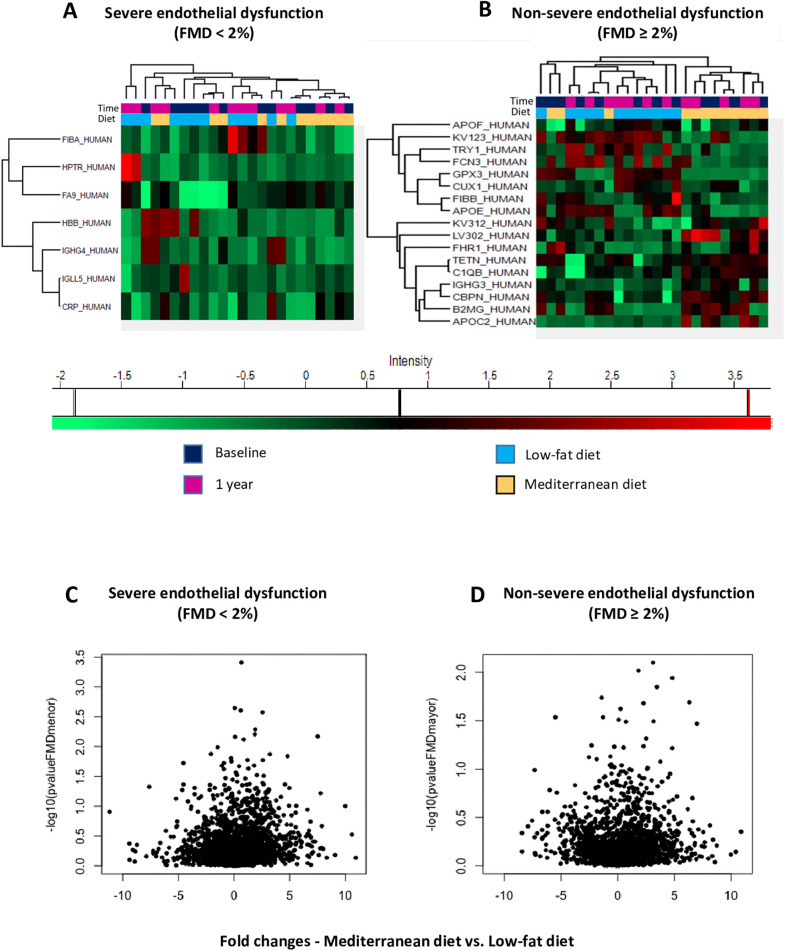
Fig 7. Protein and miRNAs pattern differentially expressed in serum samples according to time and diet interaction.
(A) Heatmap of differentially expressed serum proteins in patients with severe endothelial dysfunction. (B) Heatmap of differentially expressed serum proteins in patients with nonsevere endothelial dysfunction. Eight and nine proteins were up- and down-regulated, respectively, after consumption of the low-fat diet, and inversely after consumption of the Mediterranean diet. (C) Volcano plots to assess significant changes of miRNAs expression after 1 year of each dietary intervention and according to FMD <2%; D) Volcano plots to assess significant changes of miRNAs expression after 1 year of each dietary intervention and according to FMD ≥ 2%. The selection criteria of miRNAs with a fold change greater than 1.5 and p-value > 0.05 (−log10(p-value) = 1.3). Analysis was performed with software R using the ROTS package (version 3.5.0) and R studio (version 1.1.442). APOC2, Apolipoprotein C-II; APOE, Apolipoprotein E; APOF, Apolipoprotein F; B2MG, β-2-microglobin; CBPN, Carboxipeptidase N catalytic chain; CRP, C-reactive protein; CUX1, Homeobox protein cut-like 1; C1QB, Complement C1q subcomponent subunit β; FA9, Coagulation factor IX; FCN3, Ficolin 3; FHR1, complement factor H-related protein; FIBA, Fibrinogen α chain; FIBB, Fibrinogen β chain; FMD, flow-mediated dilation; GPx3, glutathione peroxidase 3; HBB, Hemoglobin subunit β; HPTR, Haptoglobin-related protein; IGHG3, Ig γ-3 chain C region; IGHG4, Ig γ 4 chain; IGLL5, Immunoglobin λ like peptide 5; KV123, Ig κ chain V-I region; KV312, Ig κ chain V-III region; LV302, Ig λ chain V-III region; miRNA, XXX; ROTS, Reproducibility-Optimized Test Statistic; TETN, Tetranectin; TRY1, Trypsin 1.

References

    1. Brown JR, O'Connor GT. Coronary heart disease and prevention in the United States. N Engl J Med. 2010;362(23):2150–3. 10.1056/NEJMp1003880 . - DOI - PubMed
    1. WHO. World Health Report 2013: Research for universal health coverage. Geneva: WHO; 2013.
    1. Halcox JP, Schenke WH, Zalos G, Mincemoyer R, Prasad A, Waclawiw MA, et al. Prognostic value of coronary vascular endothelial dysfunction. Circulation. 2002;106(6):653–8. 10.1161/01.cir.0000025404.78001.d8 . - DOI - PubMed
    1. Bertoluci MC, Ce GV, da Silva AM, Wainstein MV, Boff W, Punales M. Endothelial dysfunction as a predictor of cardiovascular disease in type 1 diabetes. World J Diabetes. 2015;6(5):679–92. 10.4239/wjd.v6.i5.679 - DOI - PMC - PubMed
    1. Celermajer DS, Sorensen KE, Gooch VM, Spiegelhalter DJ, Miller OI, Sullivan ID, et al. Non-invasive detection of endothelial dysfunction in children and adults at risk of atherosclerosis. Lancet. 1992;340(8828):1111–5. 10.1016/0140-6736(92)93147-f . - DOI - PubMed

Publication types

Associated data