


Proteome dynamics and transcriptome profiling in sorghum [ Sorghum bicolor (L.) Moench] under salt stress
- PMID: 32904477
- PMCID: PMC7456429
- DOI: 10.1007/s13205-020-02392-1
Proteome dynamics and transcriptome profiling in sorghum [ Sorghum bicolor (L.) Moench] under salt stress
Abstract
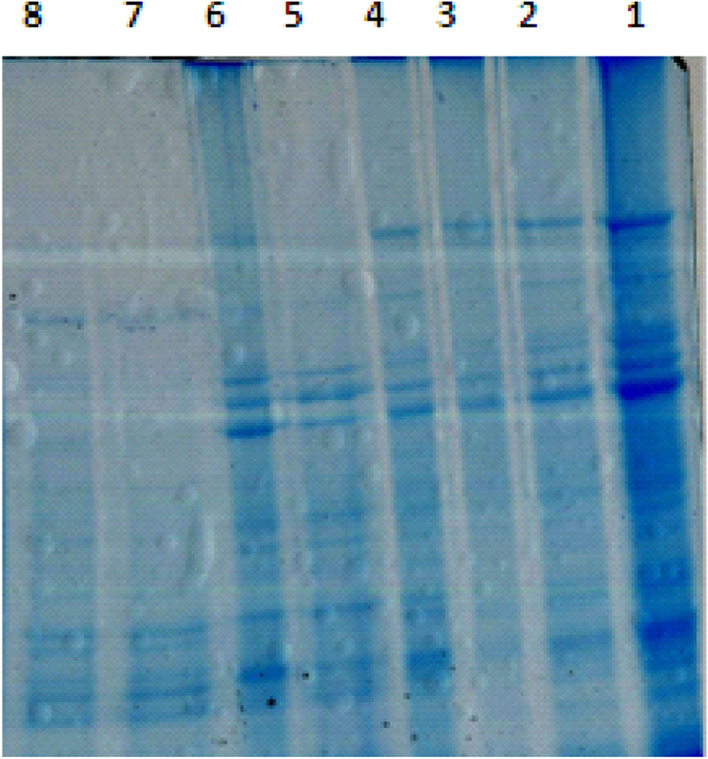
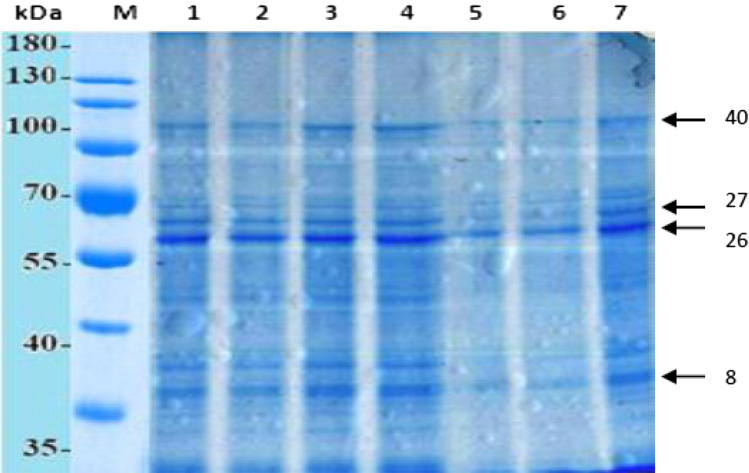
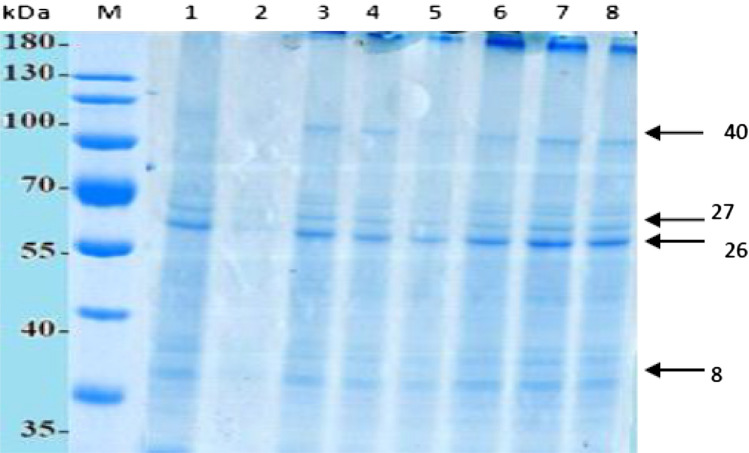
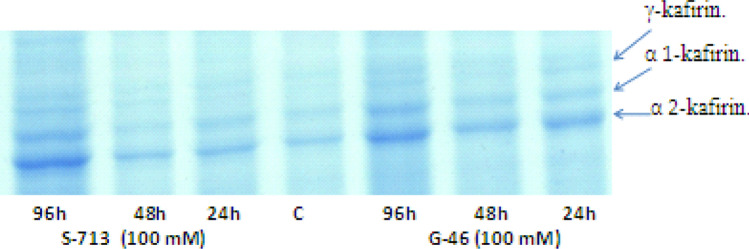
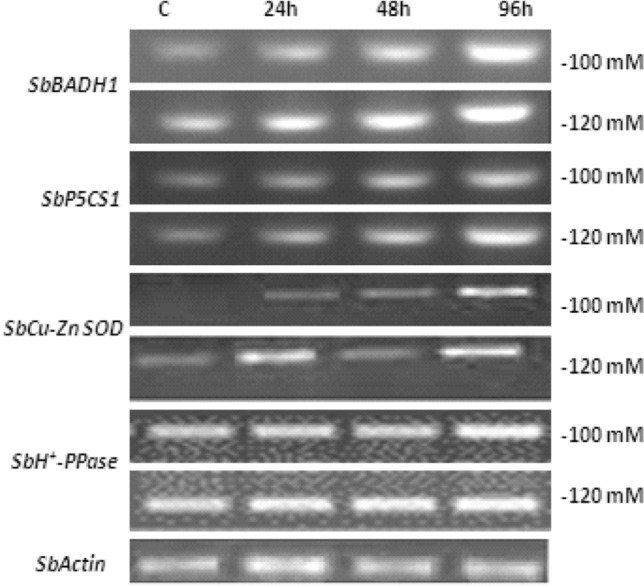
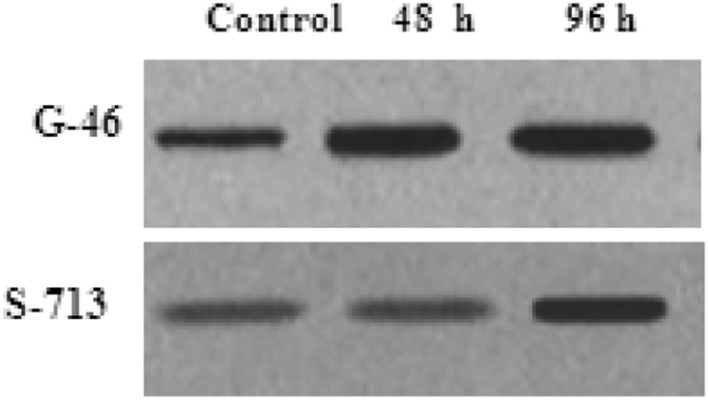
Sorghum is a C4 cereal grain crop which is well adapted to harsh environment. It is a potential model for gaining better understanding of the molecular mechanism due to its wider adaptability to abiotic stresses. In this study, protein extraction was standardized using different methods to study the electrophoretic pattern of sorghum leaves under different salinity levels. The extraction of soluble protein with lysis buffer, followed by its clean-up was found to be the most effective method. The different profiles of salt-responsive proteins were analyzed in G-46 and CSV 44F sorghum genotypes based on their tolerance behavior towards salinity. The kafirin level also changed depending upon the concentration and exposure time to salts suggesting the stored proteins as energy source under stress conditions. The relative expression of salt-responsive genes was studied using Reverse Transcriptase-Polymerase Chain Reaction (RT-PCR) which might be used as a molecular screening tool for identification of salt-tolerant genotypes in affected areas. The validated responses were examined in terms of metabolic changes and the expression of stress-induced proteins-viz. heat shock proteins (hsp) via immunoblotting assay. The results showed that the two sorghum genotypes adopted distinct approaches in response to salinity, with G-46 performing better in terms of leaf function. Also, we have standardized different protein extraction methods followed by their clean-up for electrophoretic profiling.
Keywords: Electrophoretic profile; Heat shock protein; Polyacrylamide gel electrophoresis; Salinity; Sorghum.
© King Abdulaziz City for Science and Technology 2020.
Conflict of interest statement
Conflict of interestThe authors declare that there is no conflict of interests regarding the publication of this paper.
Figures
References
-
- Abbas A, Khan S, Hussain N, et al. Characterizing soil salinity in irrigated agriculture using a remote sensing approach. Phys Chem Earth Parts A/B/C. 2013;55:43–52.
-
- Aghaei K, Ehsanpour AA, Komatsu S. Proteome analysis of potato under salt stress. J Proteome Res. 2008;7:4858–4868. - PubMed
-
- Almodares A, Hadi MR, Ahmadpour H. Sorghum stem yield and soluble carbohydrates under different salinity levels. Afr J Biotechnol. 2008;7(22):4051–4055.
-
- Buchanan CD, Lim S, Salzman RA, et al. Sorghum bicolor’s transcriptome response to dehydration, high salinity and ABA. Plant Mol Biol. 2005;58:699–720. - PubMed
LinkOut - more resources
Full Text Sources
Miscellaneous
