. 2020 Oct 16;477(19):3899-3910.
doi: 10.1042/BCJ20200440.

Dopamine is an aryl hydrocarbon receptor agonist

Affiliations

Dopamine is an aryl hydrocarbon receptor agonist

Hyejin Park et al. Biochem J. .

Abstract

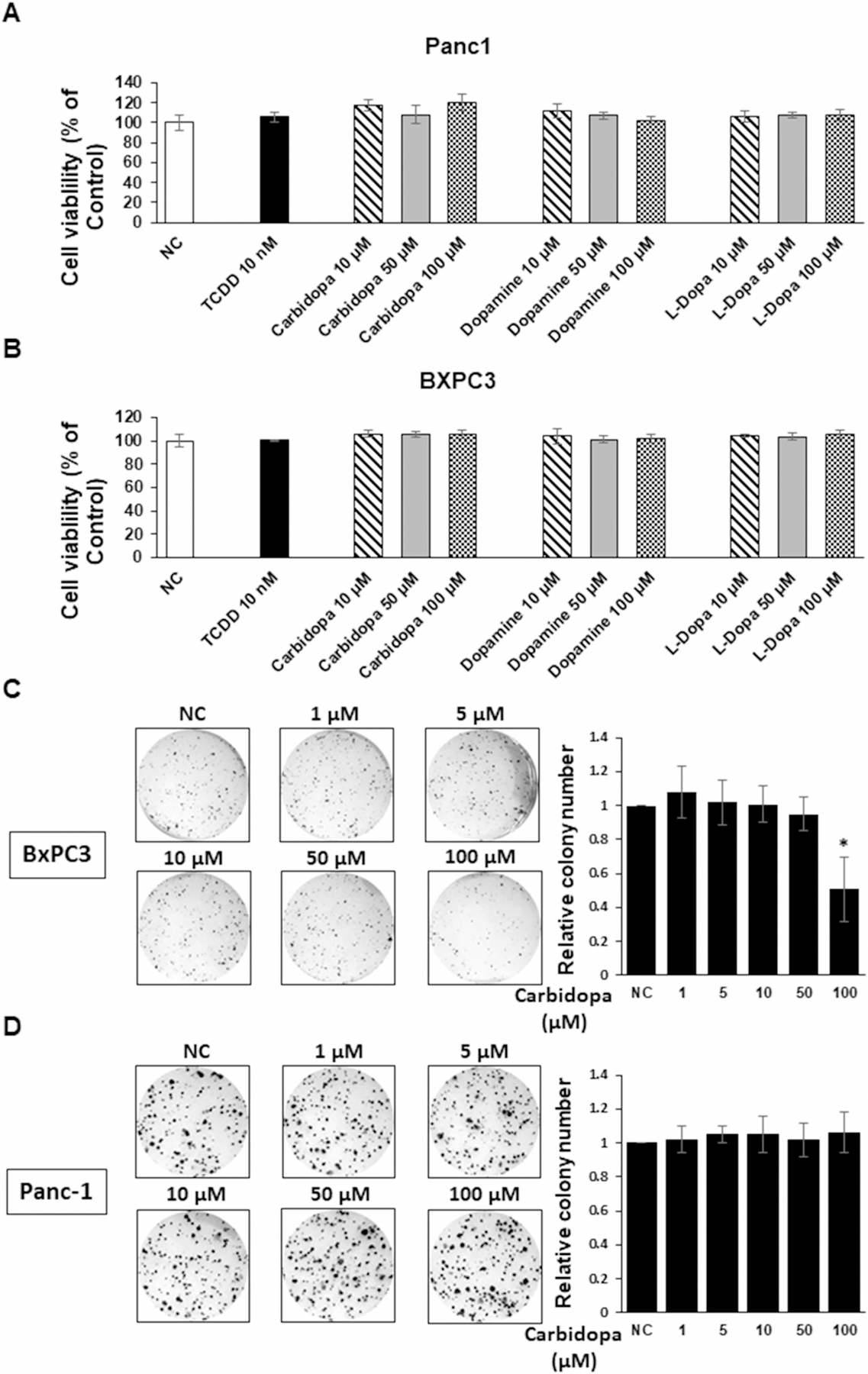
Tryptophan metabolites exhibit aryl hydrocarbon receptor (AhR) agonist activity and recent studies show that the phenylalanine metabolites serotonin and carbidopa, a drug used in treating Parkinson's disease, activated the AhR. In this study, we identified the neuroactive hormone dopamine as an inducer of drug-metabolizing enzymes CYP1A1, CYP1B1, and UGT1A1 in colon and glioblastoma cells and similar results were observed for carbidopa. In contrast, carbidopa but not dopamine exhibited AhR activity in BxPC3 pancreatic cancer cells whereas minimal activity was observed for both compounds in Panc1 pancreatic cancer cells. In contrast with a previous report, the induction responses and cytotoxicity of carbidopa was observed only at high concentrations (100 µM) in BxPC3 cells. Our results show that similar to serotonin and several tryptophan metabolites, dopamine is also an AhR-active compound.

Keywords: Carbidopa; L-DOPA; colon cancer; glioblastoma; pancreatic cancer; selective AhR modulator.


Conflict of interest statement

Competing Interests

The authors declare that there are no competing interests associated with the manuscript.

Figures
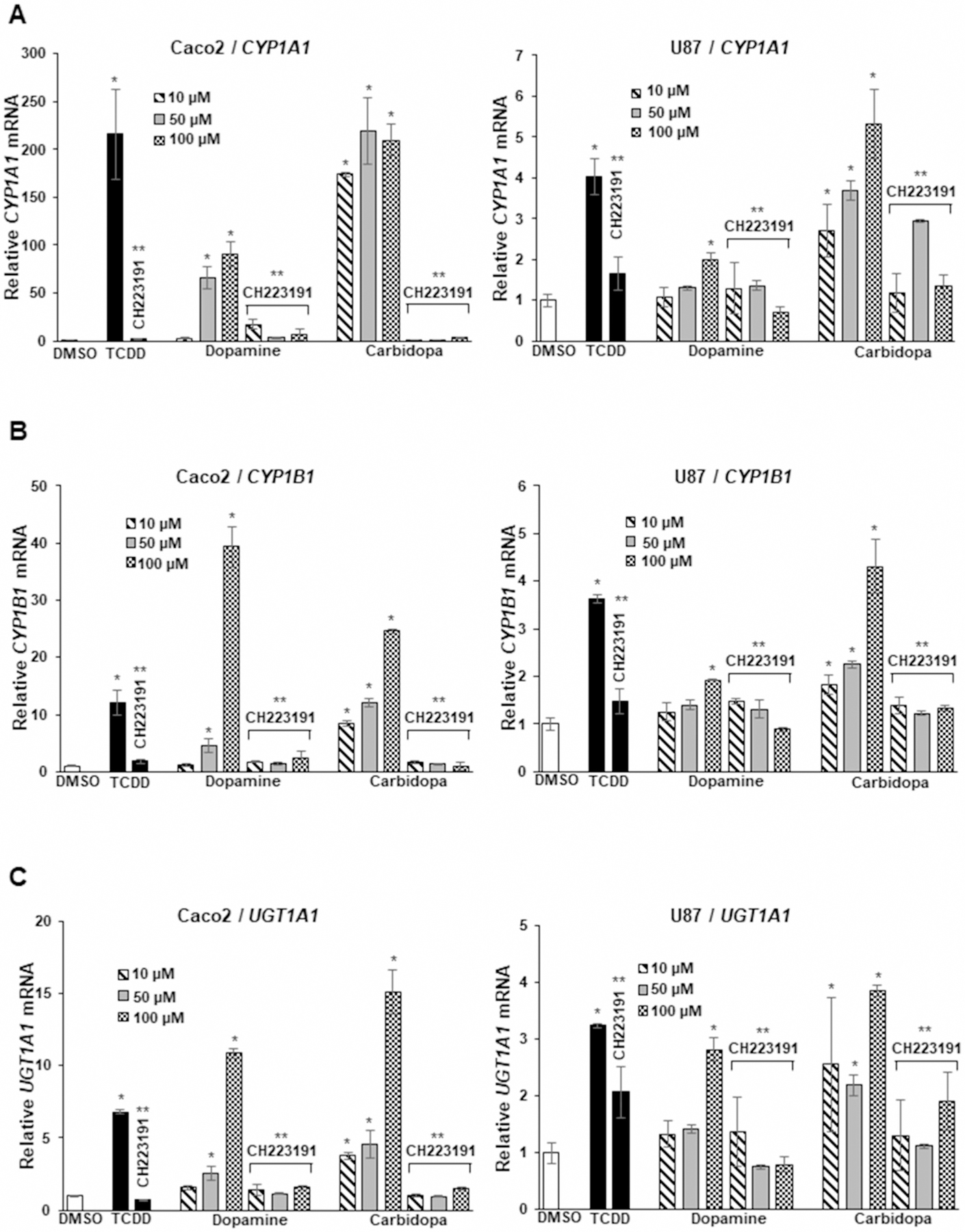
Figure 1.
Figure 1.. Dopamine and carbidopa as AhR ligands in Caco2 and U87 cells.
Cells were treated with DMSO (control) 10 nM TCDD, 10–100 µM dopamine, and carbidopa alone in or in combination with 10 µM CH233191, and induction of CYP1A1 (A), CYP1B1 (B), and UGT1A1 (C) was determined by real-time PCR as outlined in the Methods. Results are expressed as means ± SD for at least three replicates for each treatment group and significant (P < 0.05) induction (*) or inhibition by CH223191 (**) is indicated.
Figure 2.
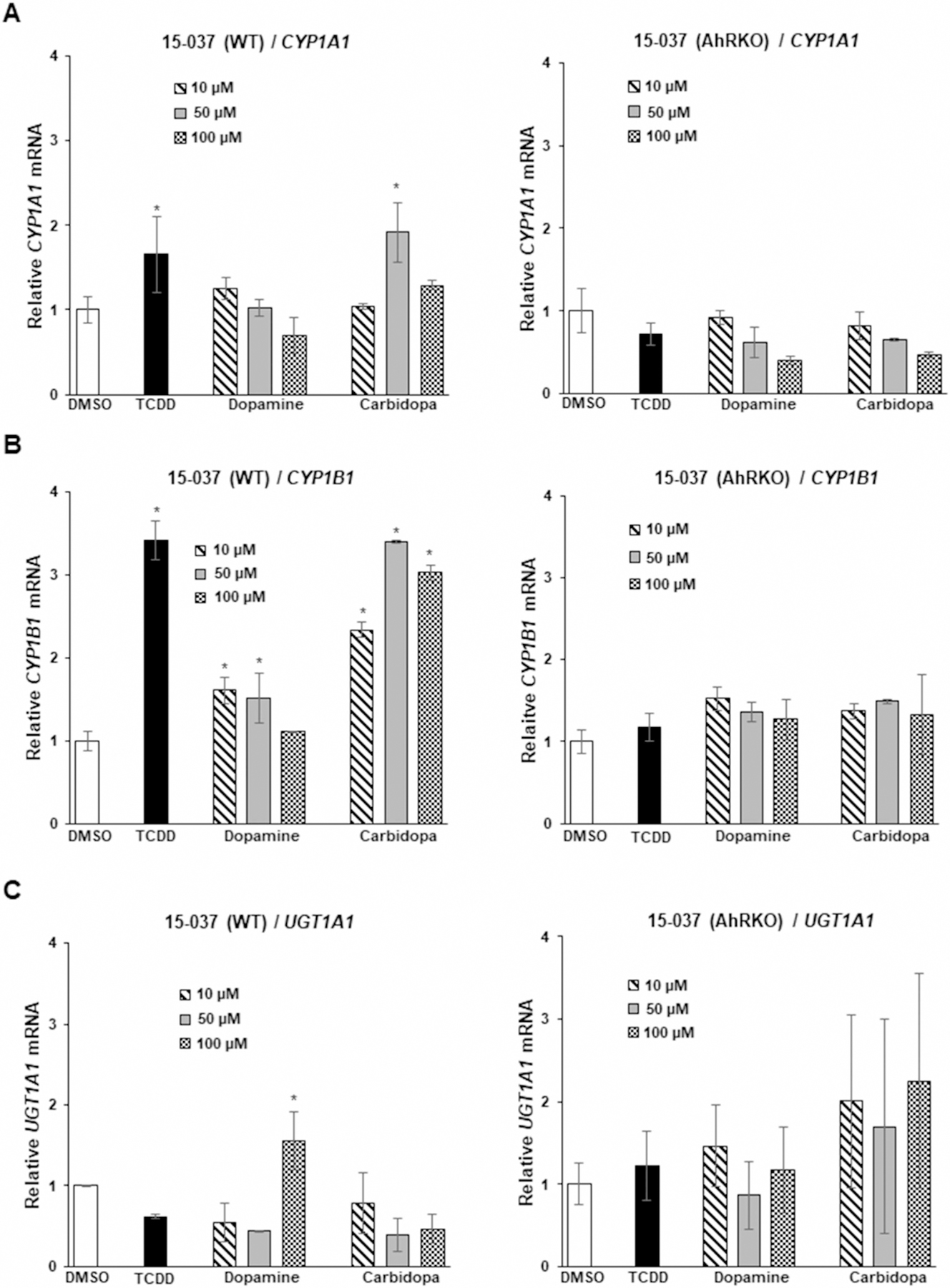
Figure 2.. Dopamine and carbidopa as AhR ligands in 15-037 wild-type and AhRKO cells.
Cells were treated with DMSO, 10 nM TCDD, 10–100 µM dopamine and carbidopa, and induction of CYP1A1 (A), CYP1B1 (B) and UGT1A1 (C) was determined by real-time PCR as outlined in the Methods. Results are expressed as a means ± SD for at least three determinations per treatment group and significant (P < 0.05) induction as indicated (*).
Figure 3.
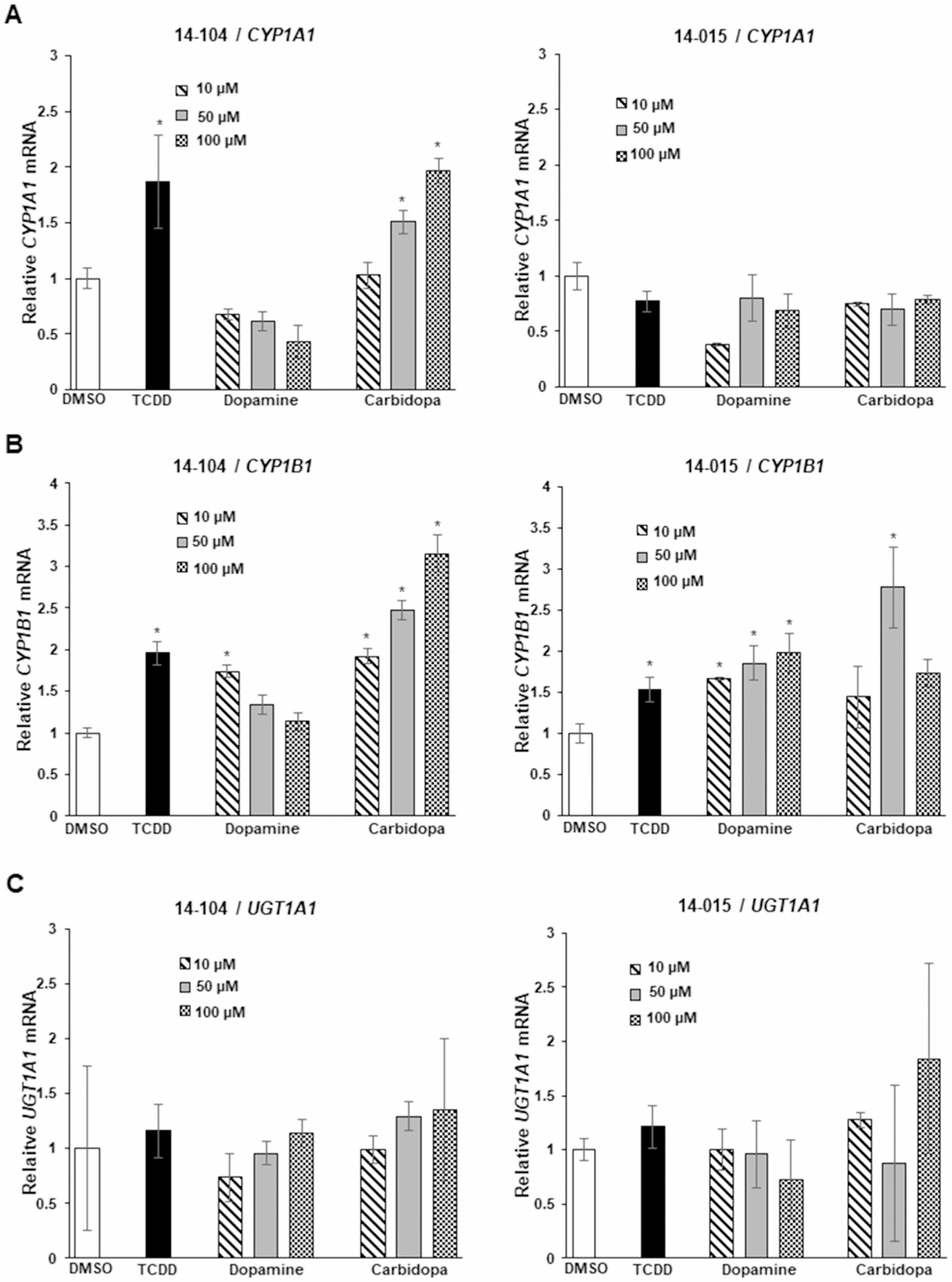
Figure 3.. Dopamine and carbidopa as AhR ligands in patient-derived 14-014 and 14-015 glioblastoma cells.
Cells were treated with DMSO, 10 nM TCDD, 10–100 µM dopamine and carbidopa and induction of CYP1A1 (A), CYP1B1 (B) and UGT1A1 (C) were determined by real-time PCR as outlined in the Methods. Results are expressed as means ± SD for at least three determinations for each treatment group and significant (P < 0.05) induction is indicated (*).
Figure 4.
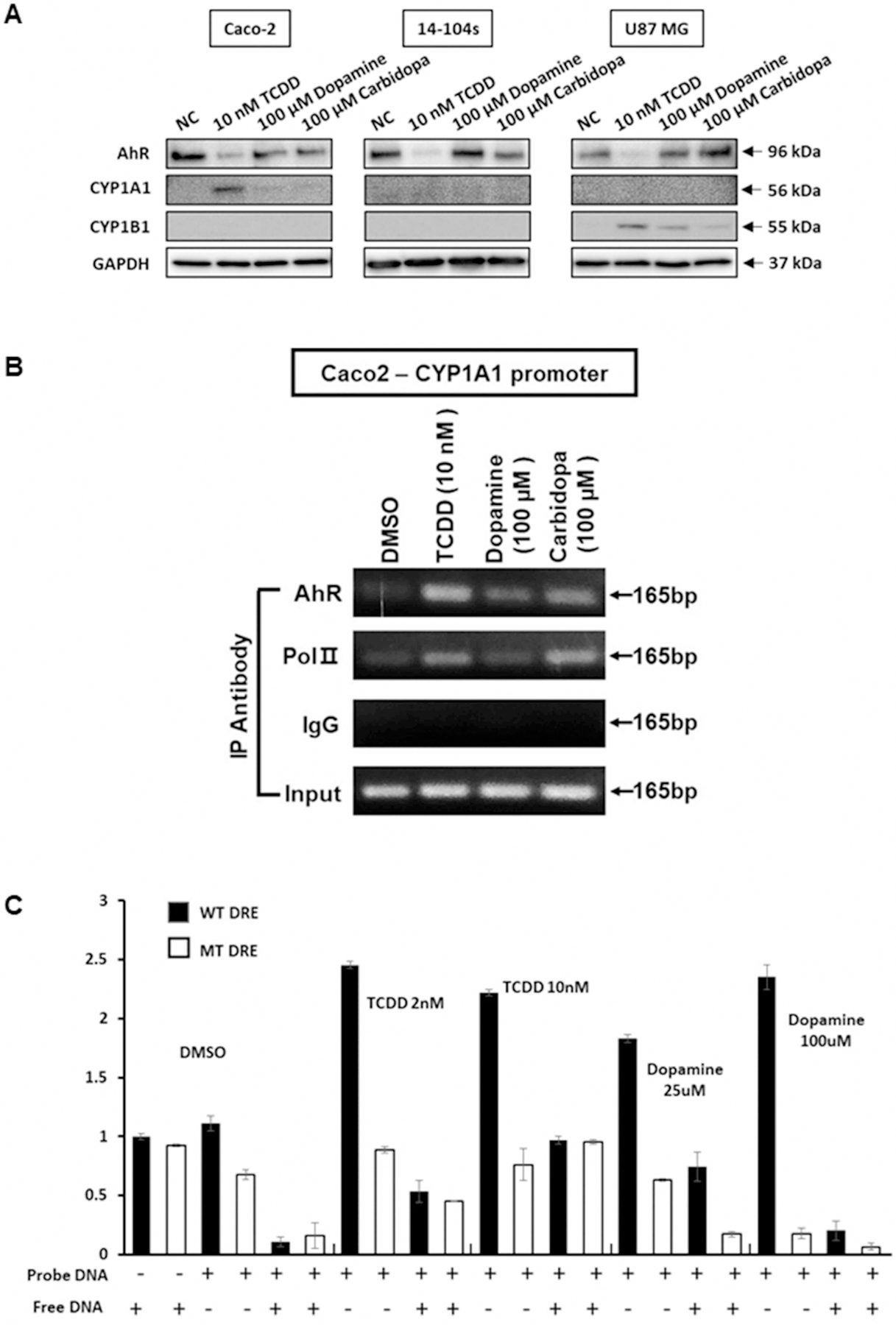
Figure 4.. Induction and binding assay.
(A) Caco2 cells were treated with DMSO, TCDD, dopamine and carbidopa for 24 h and whole-cell lysates were analyzed by western blots as outlined in the Methods. (B) Using as similar procedure treatment related interactions of the AhR and pol II with the DRE region of the CYP1A1 promoter were determined in a ChIP assay. (C) DRE binding of dopamine wild-type and mutant oligonucleotides derived from the human AhR promoter were incubated with whole-cell lysates from Caco2 cells treated with two different doses of TCDD (2 and 10 nM) and dopamine (25 and 100 µM). Binding was determined in a colorimetric Episeeker DNA–protein assay as outlined in the Methods. Results are expressed as means ± SD for at least three determinations for each treatment group.
Figure 5.
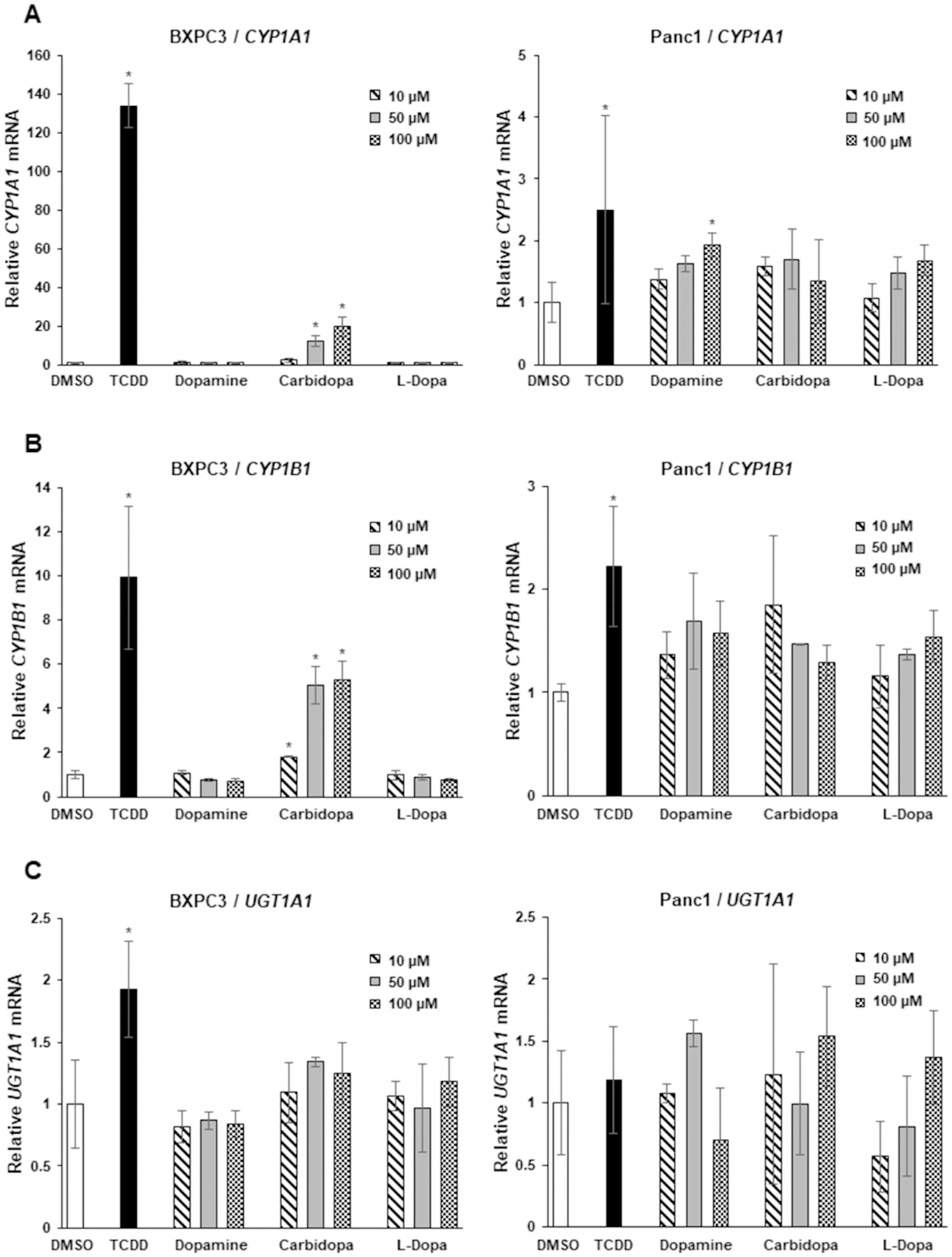
Figure 5.. Dopamine, carbidopa, and L-DOPA as AhR ligands in BxPC3 and Panc1 cells.
Cells were treated with DMSO, 10 nM TCDD, 10–100 µM dopamine, carbidopa, and L-DOPA. Induction of CYP1A1 (A), CYP1B1 (B) and UGT1A1 (C) was determined by real-time PCR as outlined in the Methods. Results are expressed as means ± SD for at least three determinations for each treatment group and significant (P < 0.05) induction is indicated (*).
Figure 6.
Figure 6.
Cytotoxicity of dopamine, carbidopa, and L-DOPA in Panc1 (A) and BxPC3 (B) cells treated with DMSO, 10 nM TCDD, and 10–100 µM dopamine, carbidopa and L-DOPA for 24 h. Cell viability were determined by cell counting as outlined in the Methods. Cell viability was also determined in BxPC3 (C) and Panc1 (D) cells in a clonogenic assay as described [20] and as outlined in the Methods. Results are expressed as a means ± SD for at least three determinations for each treatment group and significant (P < 0.05) inhibition is indicated (*).

References

    1. Donia MS and Fischbach MA (2015) HUMAN MICROBIOTA. Small molecules from the human microbiota. Science 349, 1254766 10.1126/science.1254766 - DOI - PMC - PubMed
    1. Russell WR, Hoyles L, Flint HJ and Dumas ME (2013) Colonic bacterial metabolites and human health. Curr. Opin. Microbiol 16, 246–254 10.1016/j.mib.2013.07.002 - DOI - PubMed
    1. Martinez KB, Leone V and Chang EB (2017) Microbial metabolites in health and disease: Navigating the unknown in search of function. J. Biol. Chem 292, 8553–8559 10.1074/jbc.R116.752899 - DOI - PMC - PubMed
    1. Trompette A, Gollwitzer ES, Yadava K, Sichelstiel AK, Sprenger N, Ngom-Bru C, et al. (2014) Gut microbiota metabolism of dietary fiber influences allergic airway disease and hematopoiesis. Nat. Med 20, 159–166 10.1038/nm.3444 - DOI - PubMed
    1. Riviere A, Selak M, Lantin D, Leroy F and De Vuyst L (2016) Bifidobacteria and butyrate-producing colon bacteria: importance and strategies for their stimulation in the human gut. Front. Microbiol 7, 979 10.3389/fmicb.2016.00979 - DOI - PMC - PubMed

Publication types

MeSH terms