


Avian Influenza Viruses Detected in Birds in Sub-Saharan Africa: A Systematic Review
- PMID: 32906666
- PMCID: PMC7552061
- DOI: 10.3390/v12090993
Avian Influenza Viruses Detected in Birds in Sub-Saharan Africa: A Systematic Review
Abstract
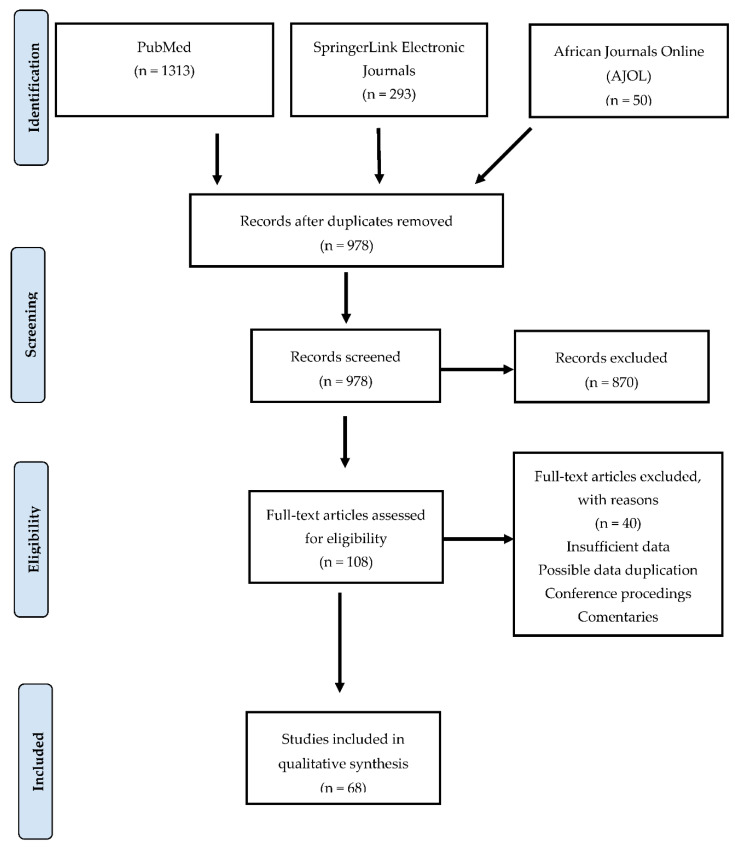
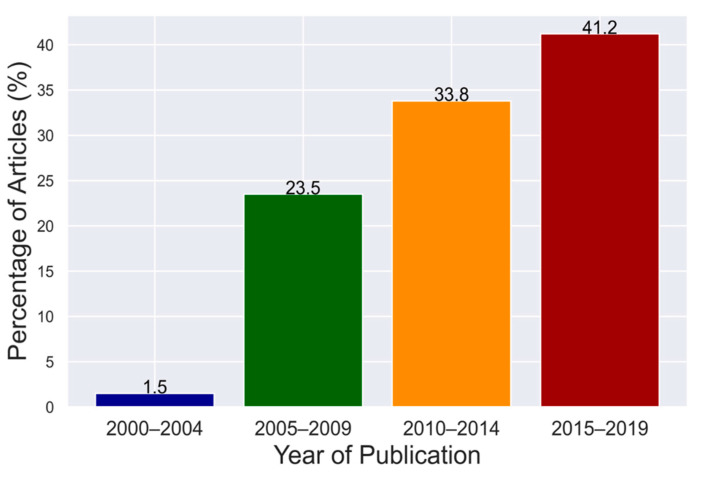
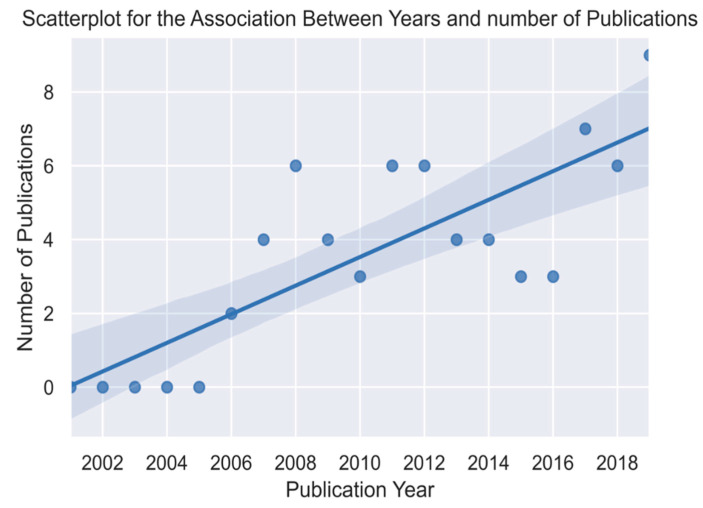
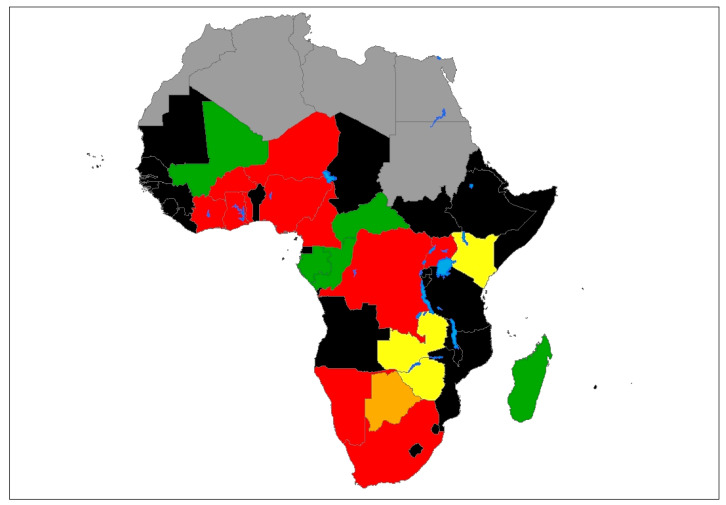
In the recent past, sub-Saharan Africa has not escaped the devastating effects of avian influenza virus (AIV) in poultry and wild birds. This systematic review describes the prevalence, spatiotemporal distribution, and virus subtypes detected in domestic and wild birds for the past two decades (2000-2019). We collected data from three electronic databases, PubMed, SpringerLink electronic journals and African Journals Online, using the Preferred Reporting Items for Systematic reviews and Meta-Analyses protocol. A total of 1656 articles were reviewed, from which 68 were selected. An overall prevalence of 3.0% AIV in birds was observed. The prevalence varied between regions and ranged from 1.1% to 7.1%. The Kruskal-Wallis and Wilcoxon signed-rank sum test showed no significant difference in the prevalence of AIV across regions, χ2(3) = 5.237, p = 0.1553 and seasons, T = 820, z = -1.244, p = 0.2136. Nineteen hemagglutinin/neuraminidase subtype combinations were detected during the reviewed period, with southern Africa recording more diverse AIV subtypes than other regions. The most detected subtype was H5N1, followed by H9N2, H5N2, H5N8 and H6N2. Whilst these predominant subtypes were mostly detected in domestic poultry, H1N6, H3N6, H4N6, H4N8, H9N1 and H11N9 were exclusively detected in wild birds. Meanwhile, H5N1, H5N2 and H5N8 were detected in both wild and domestic birds suggesting circulation of these subtypes among wild and domestic birds. Our findings provide critical information on the eco-epidemiology of AIVs that can be used to improve surveillance strategies for the prevention and control of avian influenza in sub-Saharan Africa.
Keywords: Orthomyxoviridae; avian influenza; avian influenza virus; ecology; epidemiology; poultry; sub-Saharan Africa; subtype; wild waterfowl.
Conflict of interest statement
The authors declare no conflict of interest.
Figures

References
Publication types
MeSH terms
LinkOut - more resources
Full Text Sources
Medical
Miscellaneous
