


[Trendsetting Ideas of the Children's Hospital "Kinderklinik Glanzing" Since 1915]
- PMID: 32921820
- PMCID: PMC7475949
- DOI: 10.1007/s00608-020-00782-5
[Trendsetting Ideas of the Children's Hospital "Kinderklinik Glanzing" Since 1915]
Abstract
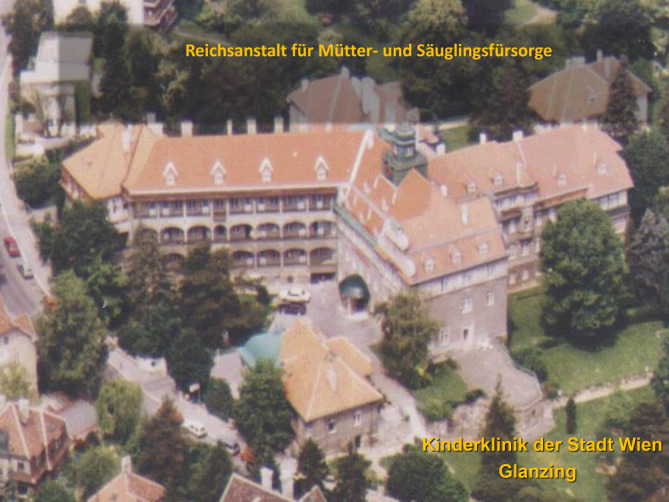
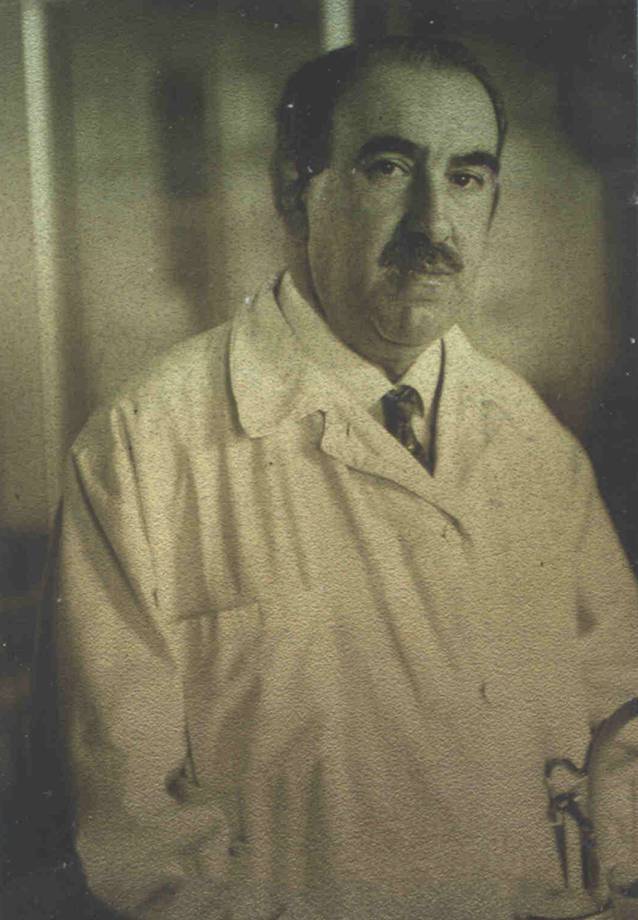
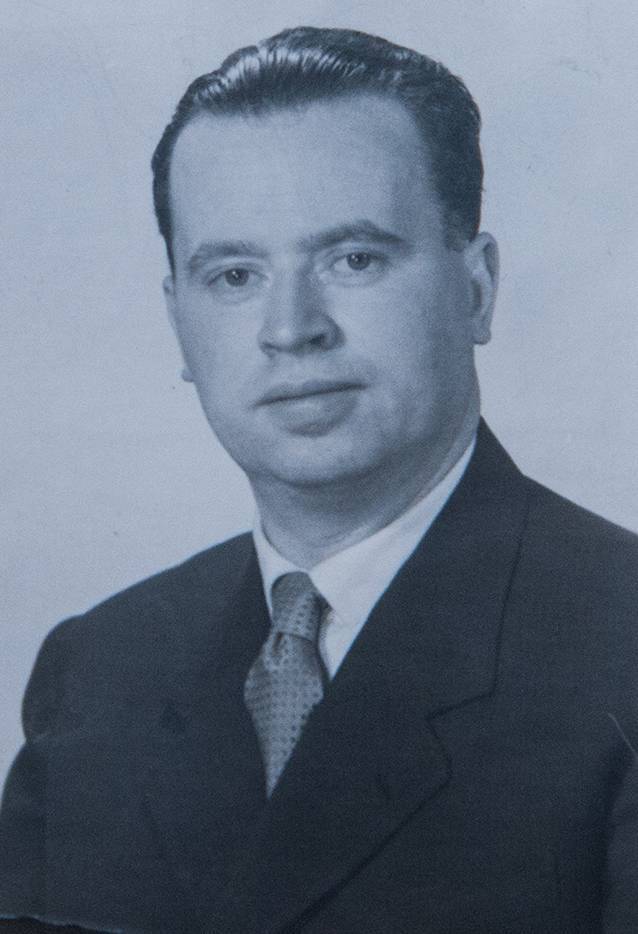
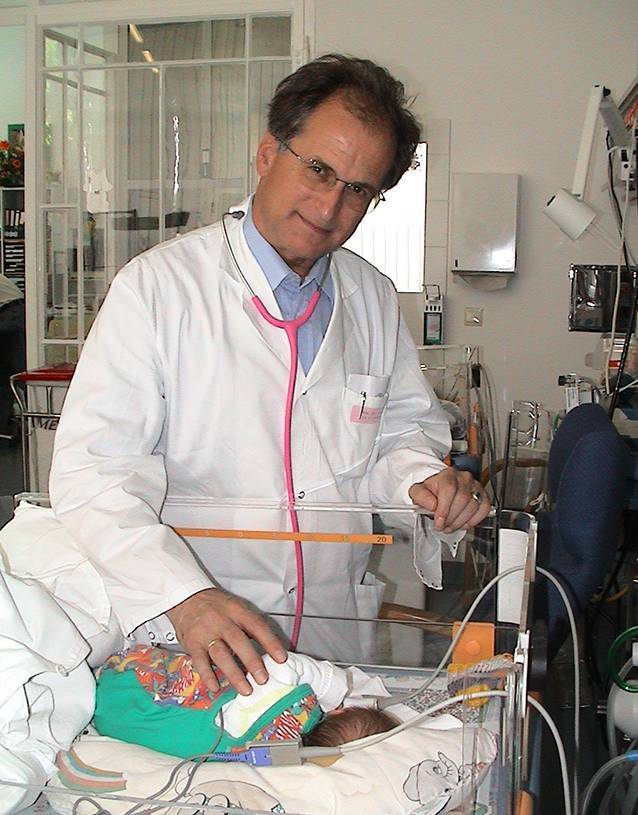
Since its foundation in 1915, the Children's Hospital Glanzing has had many innovative medical directors, whose careers and scientific activities are described here in chronological order. Leopold Moll established substantial socio-pediatric initiatives such as "Kriegspatenschaften" ("war sponsorship organizations") and vacations for poor children, as well as counseling centers for mothers in Vienna. August Reuss founded baby care wards and pediatrics departments. He established his own training for pediatricians. Alfred Rosenkranz established in 1974 the first Neonatal Intensive Care Unit in Austria.In 1992, Andreas Lischka successfully introduced quality management (QM) to the Children's Hospital Glanzing, one of the first hospitals in Europe, involving all hospital staff. The Children's Hospital Glanzing was the second European center to participate in the Vermont Oxford Neonatal Network (VONN) for the quality assurance of neonatal care. In 2000 in Wilhelminen Hospital, the first "baby hatch" was established for the anonymous abandonment of newborns without legal prosecution in order to give these unwanted babies a chance of survival (in addition to the possibility of an anonymous birth).Since 1999, music therapy has been offered at the neonatal intensive care unit in cooperation with the University of Music and Performing Arts, Vienna (mdw).Publications on the toxicity of the plasticizer diethylhexyl phthalate (DEHP) in polyvinyl chloride (PVC)-containing medical products constituted the opportunity to establish a PVC-free neonatal intensive care unit. Promotion of breast-feeding especially for premature born babies has always been a particular concern of the Children's Hospital Glanzing. Pollution with polychlorinated biphenyls (PCBs), dioxins, and furan in breast milk cannot be avoided; only a legal ban would lead to a reduction in these pollutants.To reduce the fear of hospitals in children, in 1994 the Children's Hospital Glanzing established a yearly summer children's festival before the end of the school term, with more than 2,500 parents and children attending in 2007. Great importance was attached to the comprehensive education of prospective pediatricians in all areas of our specialty, which could be taught by rotation in our own department with many focal points.The current situation of the Covid-19 pandemic indicates the great importance not only of intensive care beds but also the training of sufficient medical and supporting staff.
Die Kinderklinik Glanzing hatte seit ihrer Gründung 1915 viele innovative Vorstände, deren Lebenslauf und Aktivitäten hier chronologisch dargestellt werden. Leopold Moll setzte mit Kriegspatenschaften und Erholungsurlauben für bedürftige Kinder sowie Mutterberatungsstellen wesentliche sozialpädiatrische Aspekte. August Reuss gründete Säuglingsstationen und Kinderabteilungen. Er etablierte eine eigene Ausbildung für Kinderärzte. Alfred Rosenkranz gründete 1974 die erste neonatologische Intensivstation in Österreich. Im Jahr 1992 führte Andreas Lischka Qualitätmanagement (QM) an der Kinderklinik Glanzing als eines der ersten Krankenhäuser in Europa erfolgreich ein. Als zweites europäisches Zentrum nahm die Kinderklinik Glanzing am Vermont Oxford Neonatal Network (VONN) zur Qualitätssicherung der Versorgung Frühgeborener teil. Die erste Babyklappe für eine anonyme straffreie Abgabe eines Neugeborenen wurde 2000 im Wilhelminenspital gegründet, um (zusätzlich zur Möglichkeit einer anonymen Geburt) ungewollten Babys eine Chance zum Überleben zu geben. Seit 1999 wurde in Zusammenarbeit mit der Musikuniversität an der neonatologischen Intensivstation Musiktherapie im Rahmen eines wissenschaftlichen Projekts angeboten.
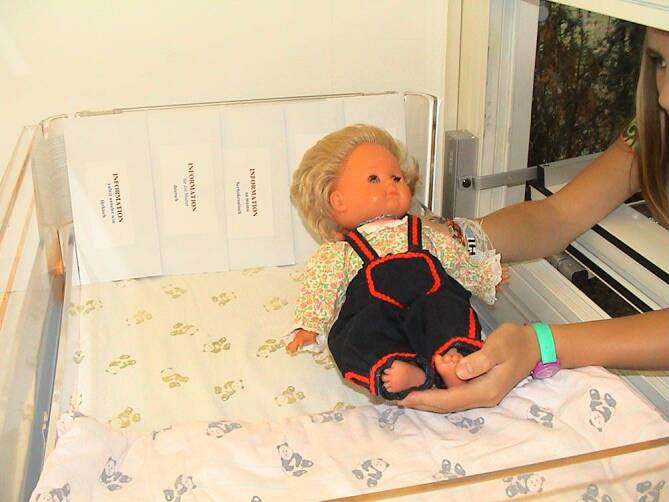
Publikationen über die Toxizität des Weichmachers Diethylhexylphthalat (DEHP) in Polyvinylchlorid-haltigen Medikalprodukten waren Anlass, eine PVC-freie Intensivstation zu etablieren.
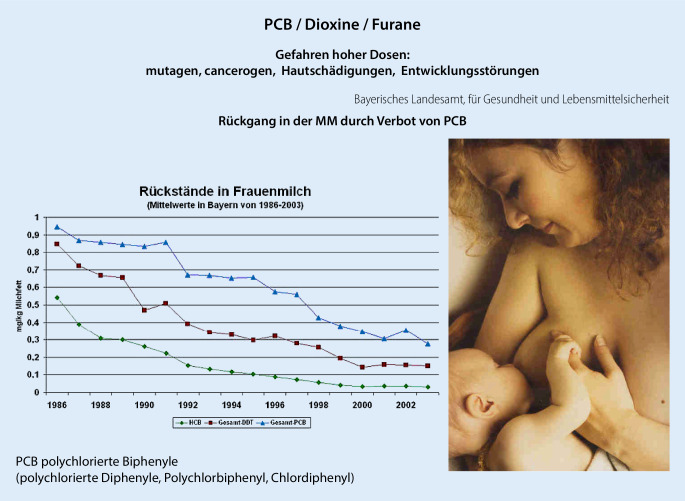
Stillförderung insbesondere bei Frühgeborenen war schon immer ein besonderes Anliegen der Kinderklinik Glanzing. Den Umweltbelastungen durch polychlorierte Biphenyle (PCBs), Dioxine oder Furane in der Muttermilch kann niemand ausweichen, nur ein gesetzliches Verbot führte zum Rückgang dieser Schadstoffe.
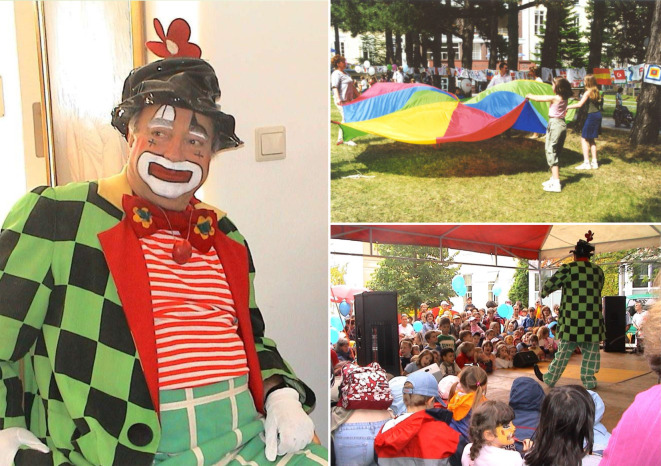
Zum Angstabbau der Kinder vor dem Spital etablierte die Kinderklinik Glanzing seit 1994 ein jährliches Kinderfest vor Schulschluss, 2007 mit mehr als 2500 Eltern und Kindern. Großen Stellenwert hatte die umfassende Ausbildung angehender Kinderärztinnen und Kinderärzte in allen Bereichen unseres Fachs, die durch Rotation an der eigenen Abteilung mit vielen Schwerpunkten vermittelt werden konnte.
Gerade die derzeitige Situation der Covid-19-Pandemie zeigt, wie wichtig nicht nur Intensivbetten, sondern auch die Ausbildung von ausreichendem Pflege- und medizinischem Personal ist.
Keywords: Babyhatch; Children’s Hospital Glanzing; Contamination of breast milk; Environmental toxins; Medical directors; PVC free Neonatal Intensive Care Unit; Reduction of children’s fear of hospital; Vermont Oxford Neonatal Network (VONN).
© Springer-Verlag GmbH Austria, ein Teil von Springer Nature 2020.



References
-
- Ankarberg E, Concha G, Darnerud PO, Aune M, Törnkvist A, Glynn A. Dietary intake of polychlorinated dibenzo-p-dioxins, dibenzofurans and polychlorinated biphenyls in Swedish consumers. Organohalogen Compounds. 2007;69:1965–1968.
-
- Auerswald W, Jürgenssen O. Zur Frage der Antikörperbildung gegen Poliomyelitis bei Kleinkindern. Untersuchungen über die Wirkung eines Adjuvans-impfstoffes mit Antigenkomponenten gegen Kinderlähmung, Diphtherie, Pertussis und Tetanus. W medizin Wochenschrift. 1960;110(31):646–648. - PubMed
-
- Bauer J (1994) Moll, Leopold. Neue Deutsche Biographie 17:738. https://www.deutsche-biographie.de/pnd140120262.html#ndbcontent
-
- Calafat AM, Needham LL, Silva MJ, Lambert G. Exposure to Di-(2-Ethylhexyl) Phthalate among premature neonates in a neonatal intensive care unit. Pediatrics. 2004;113(5):e429–e434. - PubMed
Publication types
LinkOut - more resources
Full Text Sources