LAG-3: from molecular functions to clinical applications
- PMID: 32929051
- PMCID: PMC7488795
- DOI: 10.1136/jitc-2020-001014
LAG-3: from molecular functions to clinical applications
Abstract
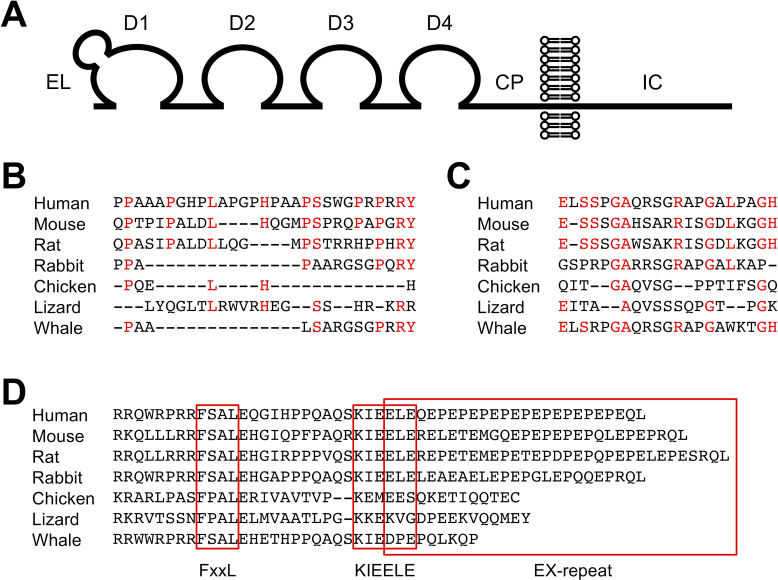
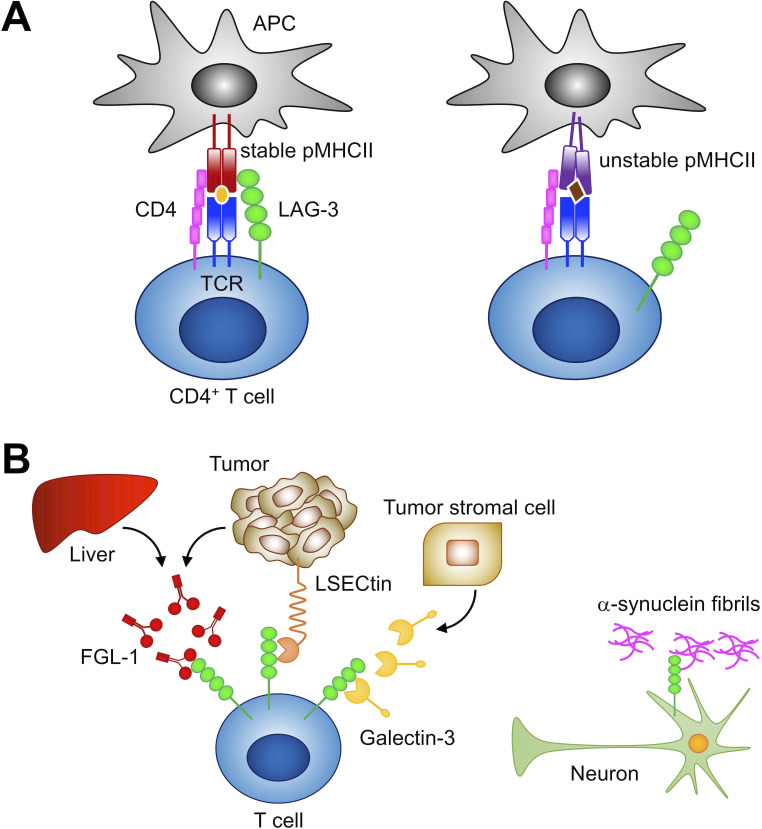
To prevent the destruction of tissues owing to excessive and/or inappropriate immune responses, immune cells are under strict check by various regulatory mechanisms at multiple points. Inhibitory coreceptors, including programmed cell death 1 (PD-1) and cytotoxic T lymphocyte antigen 4 (CTLA-4), serve as critical checkpoints in restricting immune responses against self-tissues and tumor cells. Immune checkpoint inhibitors that block PD-1 and CTLA-4 pathways significantly improved the outcomes of patients with diverse cancer types and have revolutionized cancer treatment. However, response rates to such therapies are rather limited, and immune-related adverse events are also observed in a substantial patient population, leading to the urgent need for novel therapeutics with higher efficacy and lower toxicity. In addition to PD-1 and CTLA-4, a variety of stimulatory and inhibitory coreceptors are involved in the regulation of T cell activation. Such coreceptors are listed as potential drug targets, and the competition to develop novel immunotherapies targeting these coreceptors has been very fierce. Among such coreceptors, lymphocyte activation gene-3 (LAG-3) is expected as the foremost target next to PD-1 in the development of cancer therapy, and multiple clinical trials testing the efficacy of LAG-3-targeted therapy are underway. LAG-3 is a type I transmembrane protein with structural similarities to CD4. Accumulating evidence indicates that LAG-3 is an inhibitory coreceptor and plays pivotal roles in autoimmunity, tumor immunity, and anti-infection immunity. In this review, we summarize the current understanding of LAG-3, ranging from its discovery to clinical application.
Keywords: adaptive immunity; immune tolerance.
© Author(s) (or their employer(s)) 2020. Re-use permitted under CC BY-NC. No commercial re-use. See rights and permissions. Published by BMJ.
Conflict of interest statement
Competing interests: None declared.
Figures
References
Publication types
MeSH terms
Substances
LinkOut - more resources
Full Text Sources
Other Literature Sources
Research Materials