


Home- and Clinic-Based Pediatric HIV Index Case Testing in Kenya: Uptake, HIV Prevalence, Linkage to Care, and Missed Opportunities
- PMID: 32932411
- PMCID: PMC9383697
- DOI: 10.1097/QAI.0000000000002500
Home- and Clinic-Based Pediatric HIV Index Case Testing in Kenya: Uptake, HIV Prevalence, Linkage to Care, and Missed Opportunities
Abstract
Introduction: Gaps in HIV testing of children persist, particularly among older children born before the expansion of the prevention of mother-to-child transmission of HIV programs.
Methods: The Counseling and Testing for Children at Home study evaluated an index-case pediatric HIV testing approach. Caregivers receiving HIV care at 7 health facilities in Kenya (index cases), who had children of unknown HIV status aged 0-12 years, were offered the choice of clinic-based testing (CBT) or home-based testing (HBT). Testing uptake and HIV prevalence were compared between groups choosing HBT and CBT; linkage to care, missed opportunities, and predictors of HIV-positive diagnosis were identified.
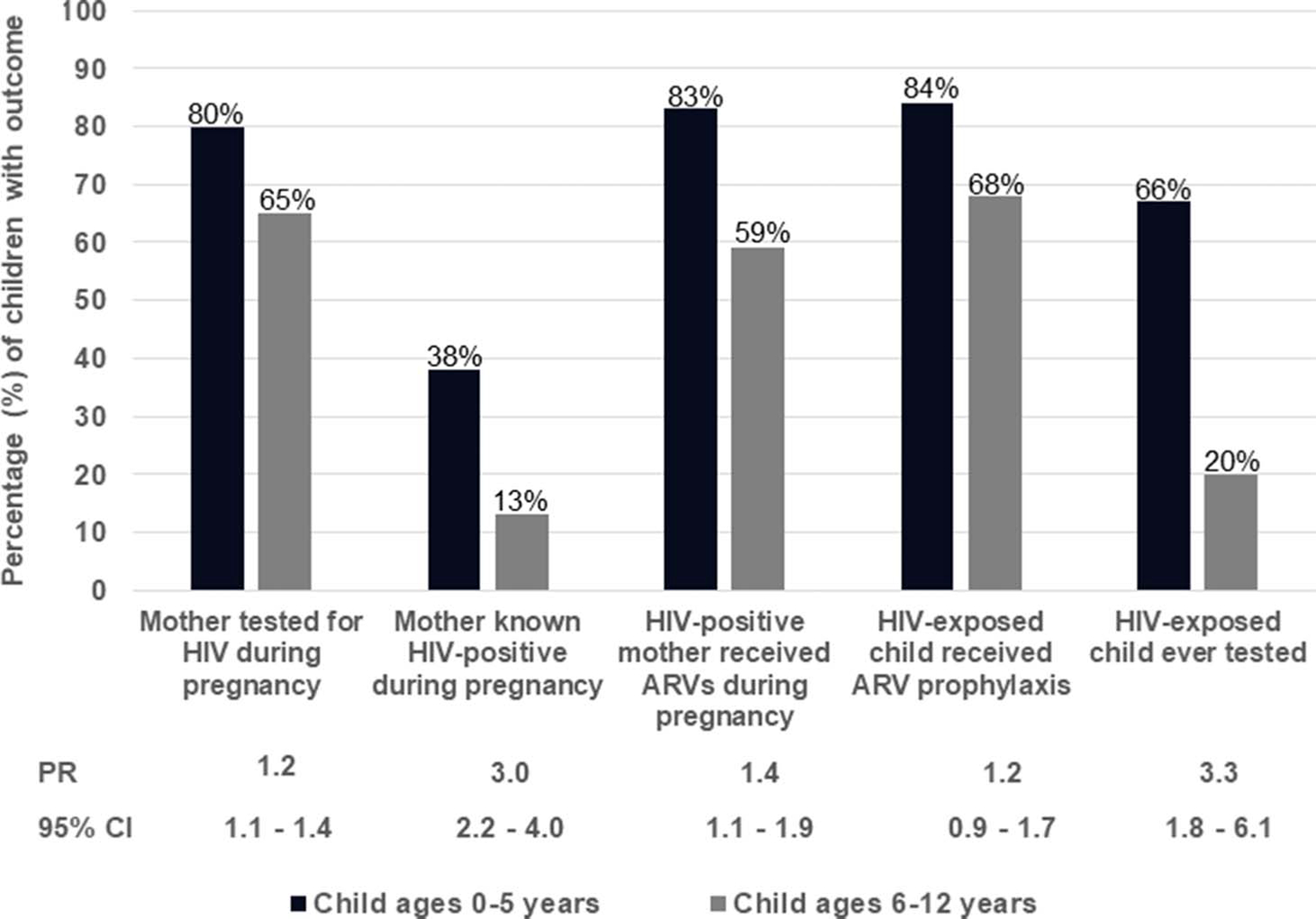
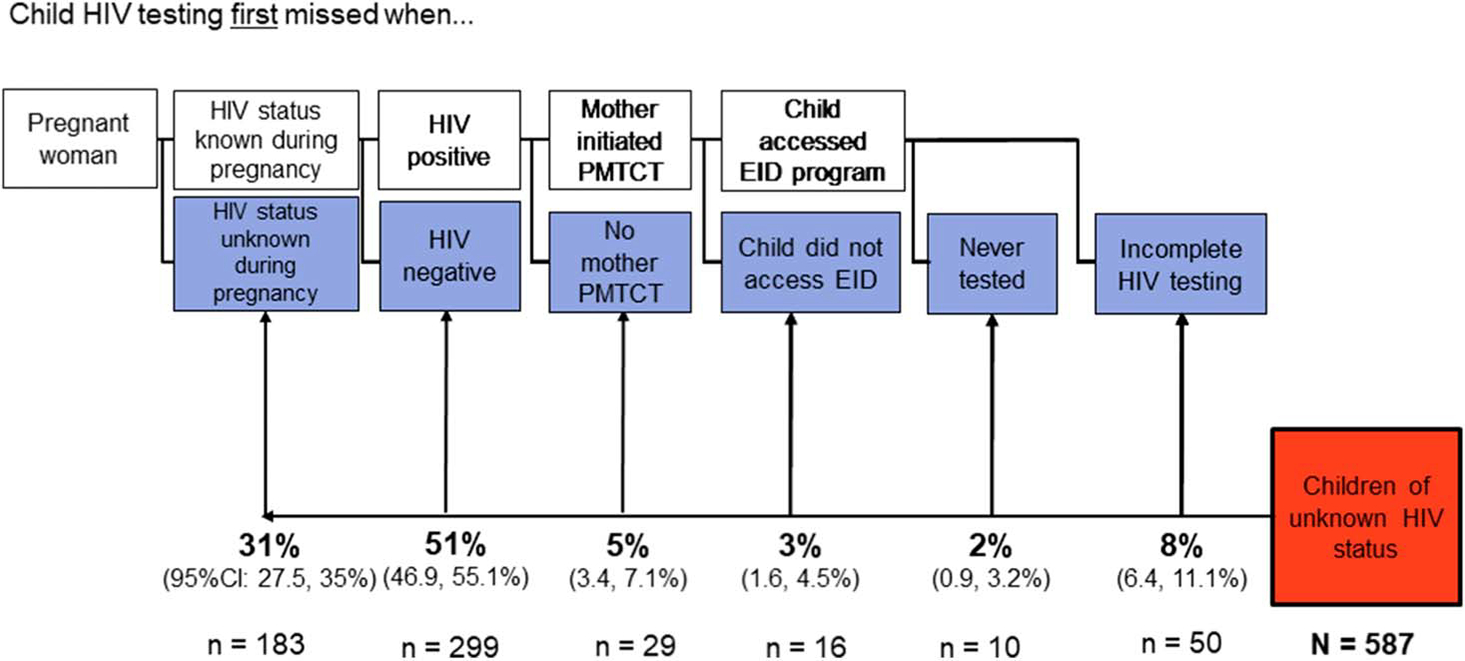
Results: Among 493 caregivers, 70% completed HIV testing for ≥1 child. Most caregivers who tested children chose CBT (266/347, 77%), with 103 (30%) agreeing to same-day testing of an untested accompanying child. Overall HIV prevalence among 521 tested children was 5.8% (CBT 6.8% vs HBT 2.4%; P = 0.07). Within 1 month of diagnosis, 88% of 30 HIV-positive children had linked to care, and 54% had started antiretroviral treatment. For 851 children eligible for testing, the most common reason for having an unknown HIV status was that the child's mother was not tested for HIV or had tested HIV negative during pregnancy (82%).
Conclusion: Testing uptake and HIV prevalence were moderate with nonsignificant differences between HBT and CBT. Standardized offer to test children accompanying caregivers is feasible to scale-up with little additional investment. Linkage to care for HIV-positive children was suboptimal. Lack of peripartum maternal testing contributed to gaps in pediatric testing.
Conflict of interest statement
The authors have no conflicts of interest to disclose.
Figures
References
Publication types
MeSH terms
Grants and funding
LinkOut - more resources
Full Text Sources
Medical
