Case Reports
. 2020 Aug 24:2020:8842150.
doi: 10.1155/2020/8842150. eCollection 2020.

Stress-Induced Cardiomyopathy Secondary to COVID-19

Affiliations
Case Reports

Stress-Induced Cardiomyopathy Secondary to COVID-19

Aneesh Bapat et al. Case Rep Cardiol. .

Abstract

A 67-year-old female with prior medical history of HTN and asthma presented with acute-onset dyspnea and nausea for 4 days prior to admission. Upon initial encounter in the emergency room, she was found to have findings of abnormal pulmonary infiltrates and consequent workup revealed COVID-19. During further hospital course, the patient developed abnormal EKG and echocardiographic findings consistent with stress-induced cardiomyopathy.


Conflict of interest statement

AM is part of the Medical Advisory Board, no compensation (QT medical Inc.). EKH is a consultant for Abbott, Boston Scientific, Medtronic, and Pfizer. The authors declare that there is no conflict of interest regarding the publication of this paper.

Figures
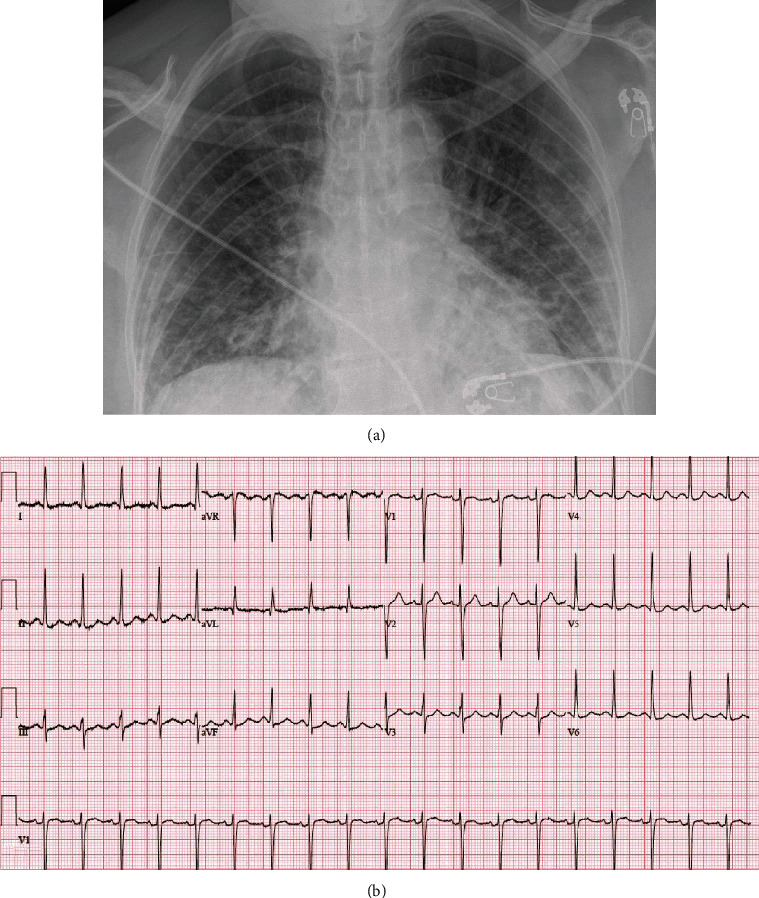
Figure 1
Figure 1
(a) Chest X-ray at time of presentation, consistent with the diagnosis of SARS-CoV2. (b) EKG at time of presentation.
Figure 2
Figure 2
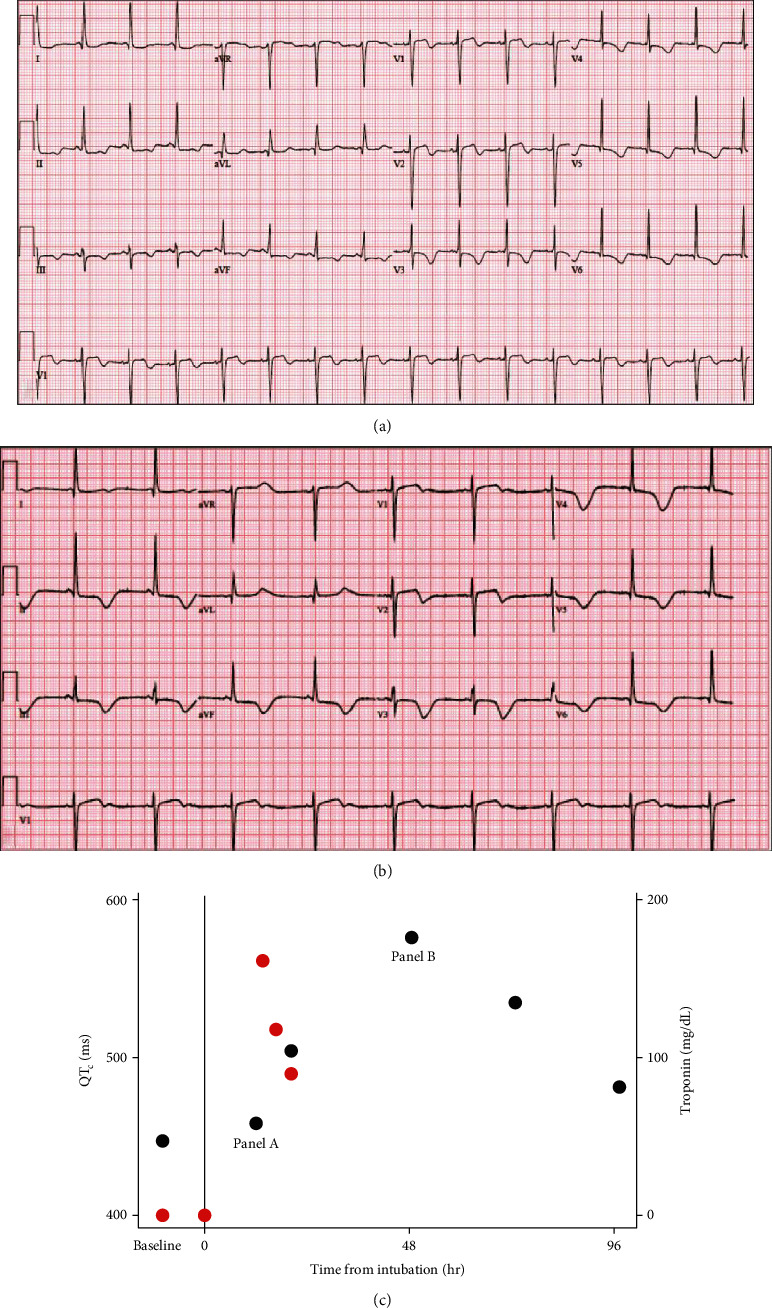
(a) EKG done approximately 12 hours after respiratory decompensation requiring intubation showing ST elevations and biphasic T waves. (b) EKG done approximately 48 hours after intubation showing marked QT prolongation. (c) Time course of QTc and hsTnT values after intubation.
Figure 3
Figure 3
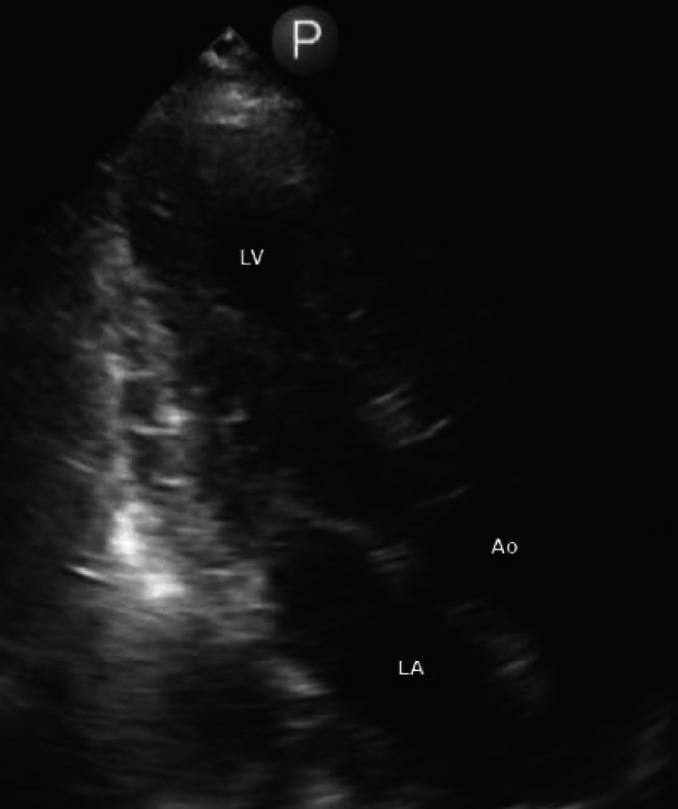
Image of the apical view of transthoracic echocardiogram showing apical hypokinesis.

References

    1. Dote K., Sato H., Tateishi H., Uchida T., Ishihara M. Myocardial stunning due to simultaneous multivessel coronary spasms: a review of 5 cases. Journal of Cardiology. 1991;21(2):203–214. - PubMed
    1. Wittstein I. S., Thiemann D. R., Lima J. A. C., et al. Neurohumoral features of myocardial stunning due to sudden emotional stress. New England Journal of Medicine. 2005;352(6):539–548. doi: 10.1056/NEJMoa043046. - DOI - PubMed
    1. Sharkey S. W. A clinical perspective of the takotsubo syndrome. Heart Failure Clinics. 2016;12(4):507–520. doi: 10.1016/j.hfc.2016.06.003. - DOI - PubMed
    1. Kurisu S., Inoue I., Kawagoe T., et al. Time course of electrocardiographic changes in patients with tako-tsubo syndrome - comparison with acute myocardial infarction with minimal enzymatic release. Circulation Journal. 2004;68(1):77–81. doi: 10.1253/circj.68.77. - DOI - PubMed
    1. Frangieh A. H., Obeid S., Ghadri J. R., et al. ECG criteria to differentiate between Takotsubo (stress) cardiomyopathy and myocardial infarction. Journal of the American Heart Association. 2016;5(6) doi: 10.1161/JAHA.116.003418. - DOI - PMC - PubMed

Publication types

LinkOut - more resources