


Inside the supergene of the bird with four sexes
- PMID: 32937166
- PMCID: PMC7725849
- DOI: 10.1016/j.yhbeh.2020.104850
Inside the supergene of the bird with four sexes
Abstract
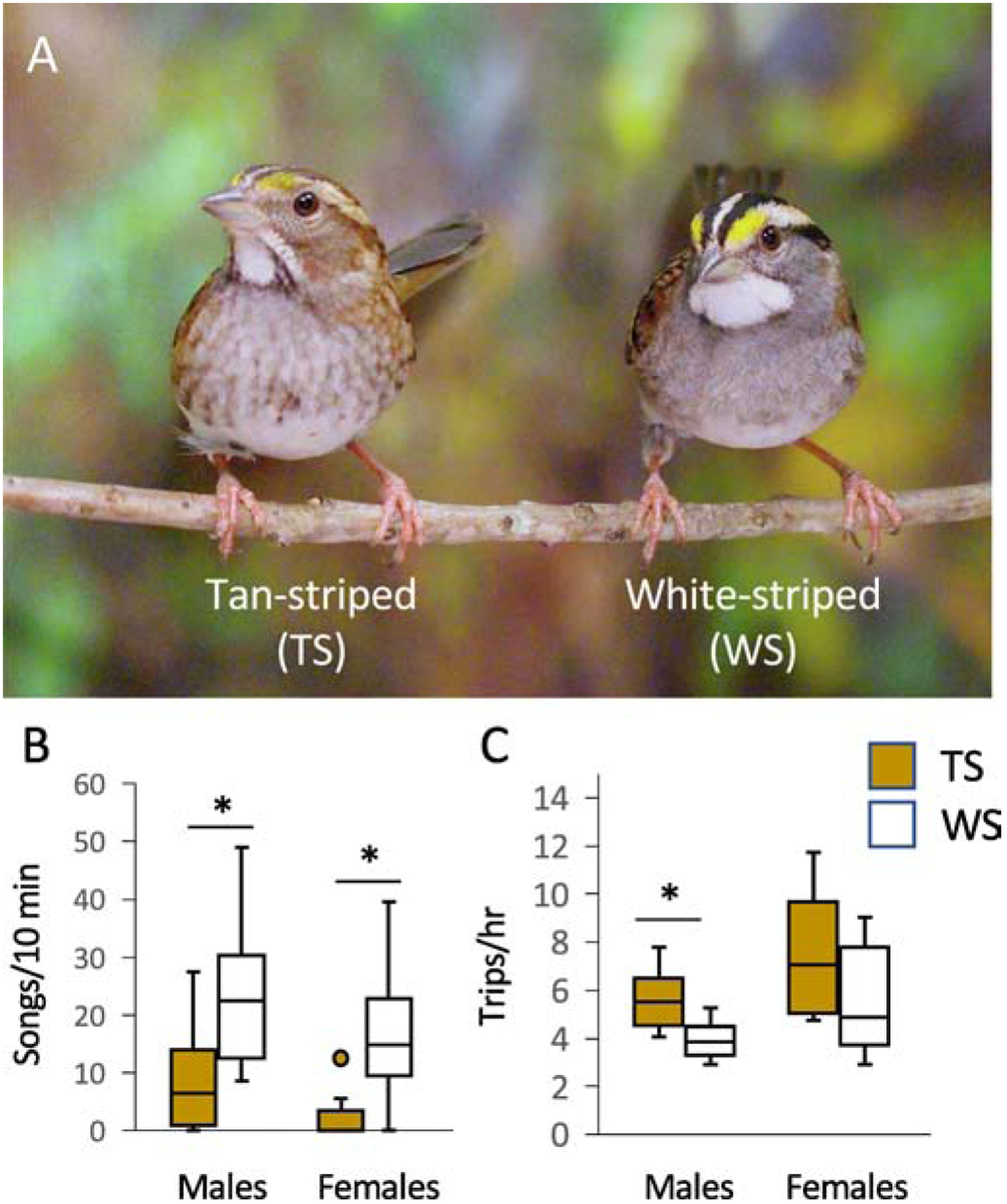
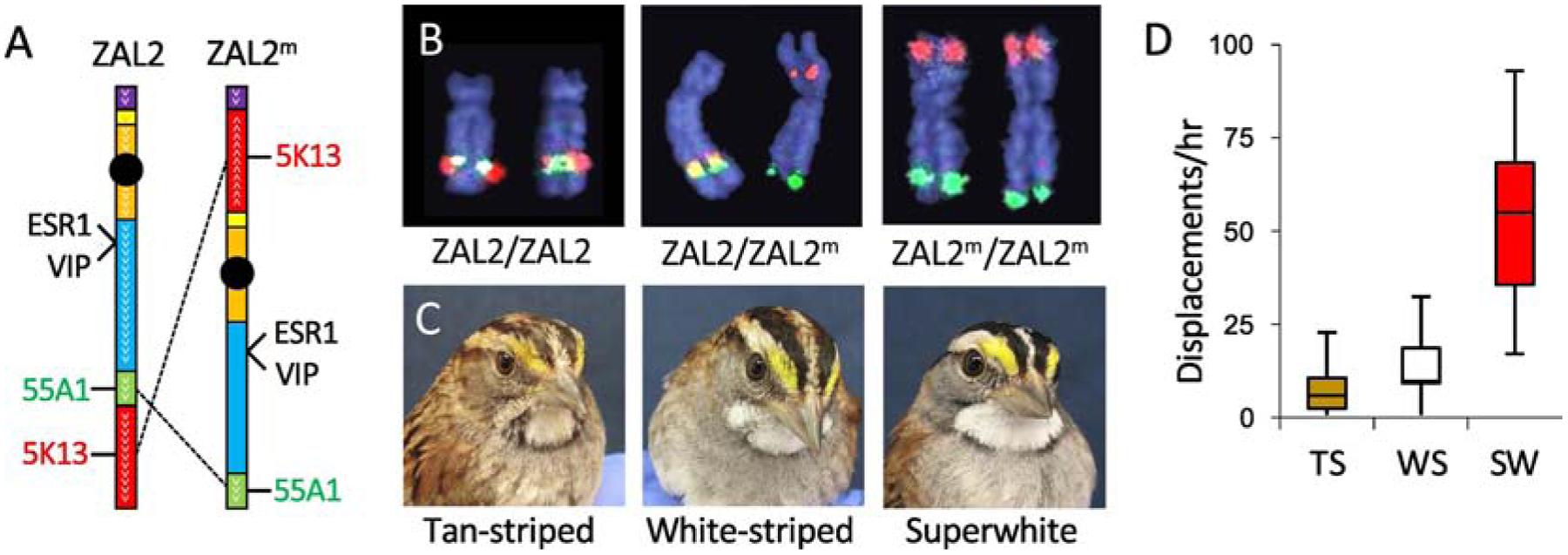
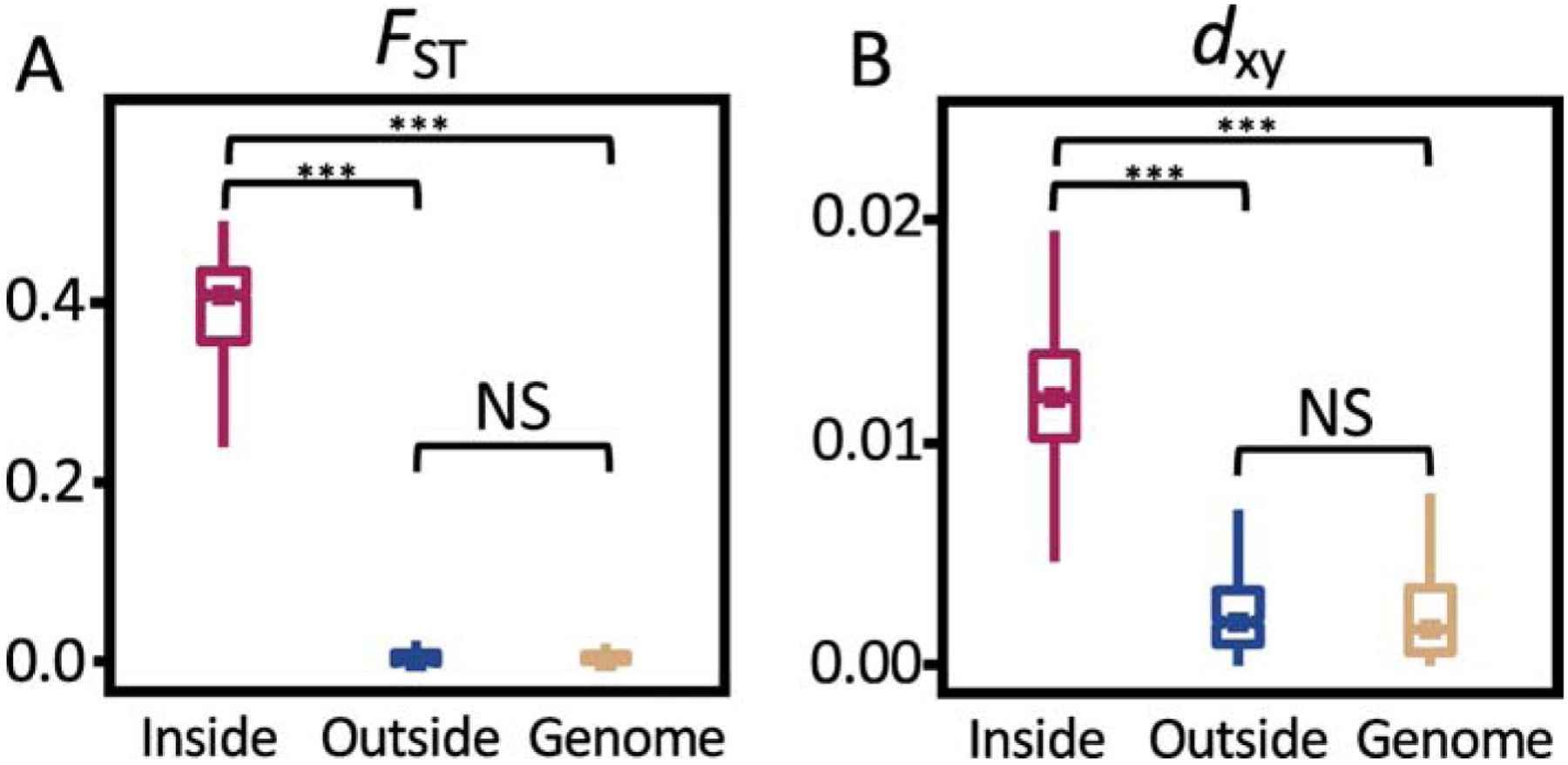
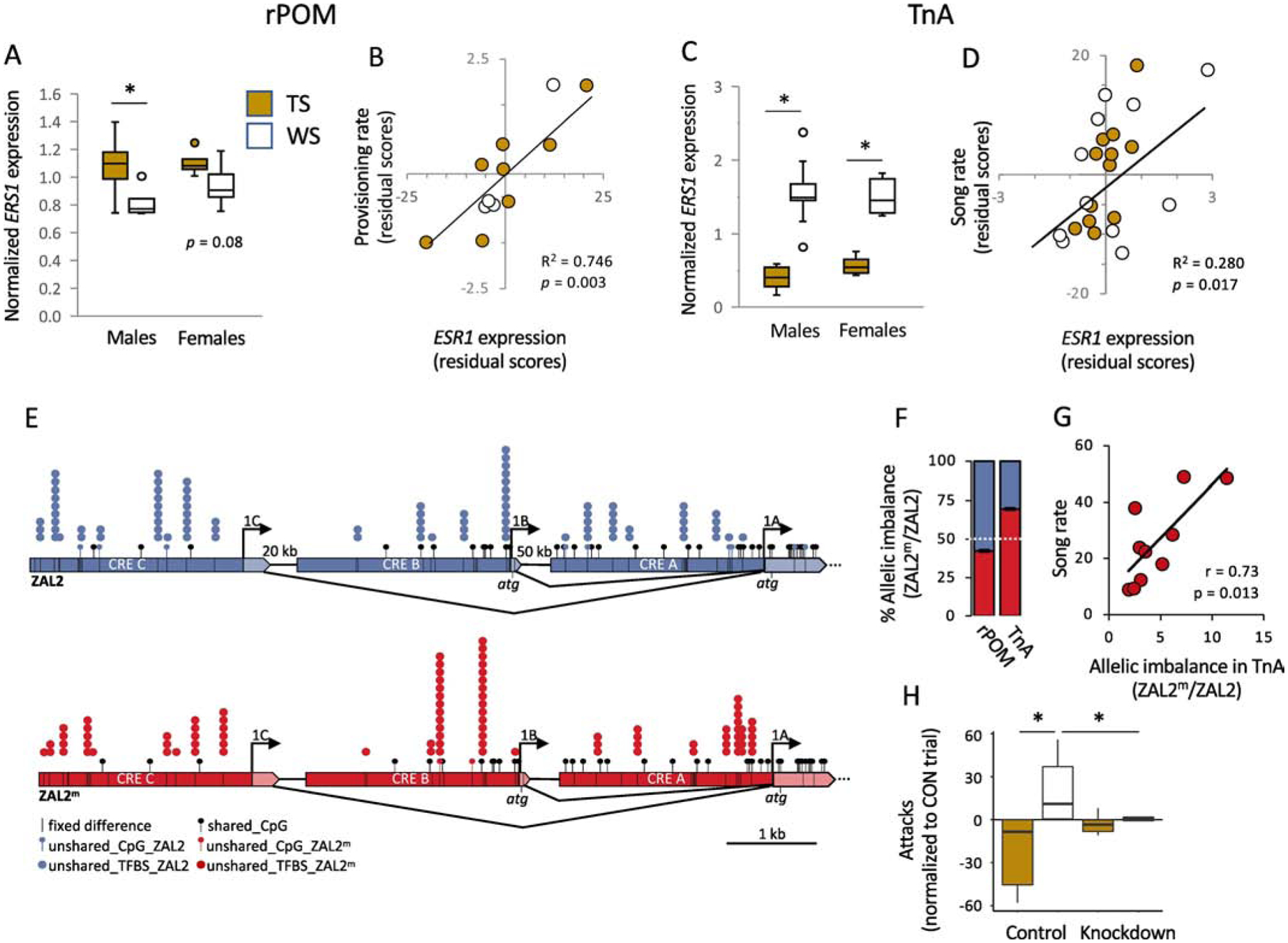
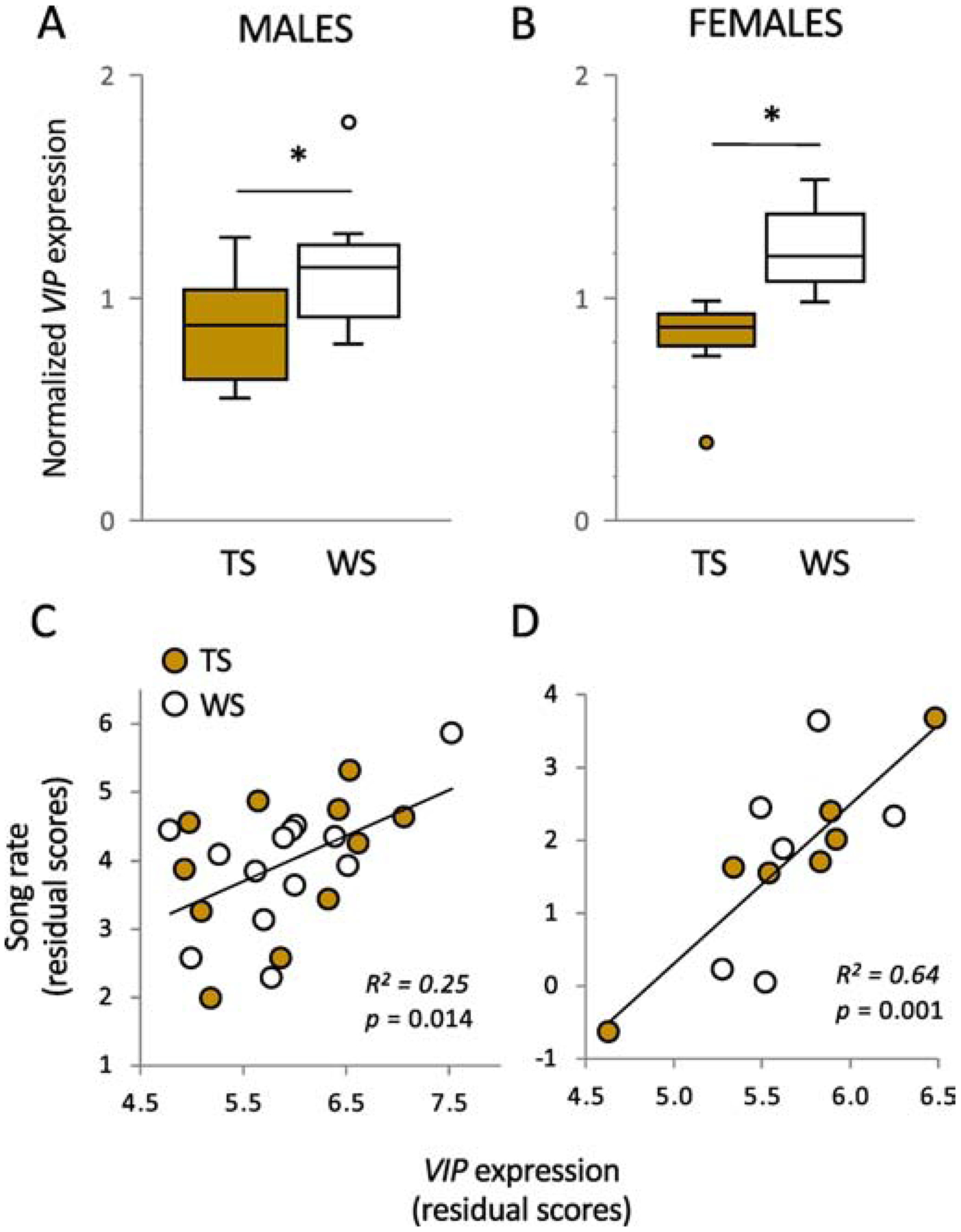
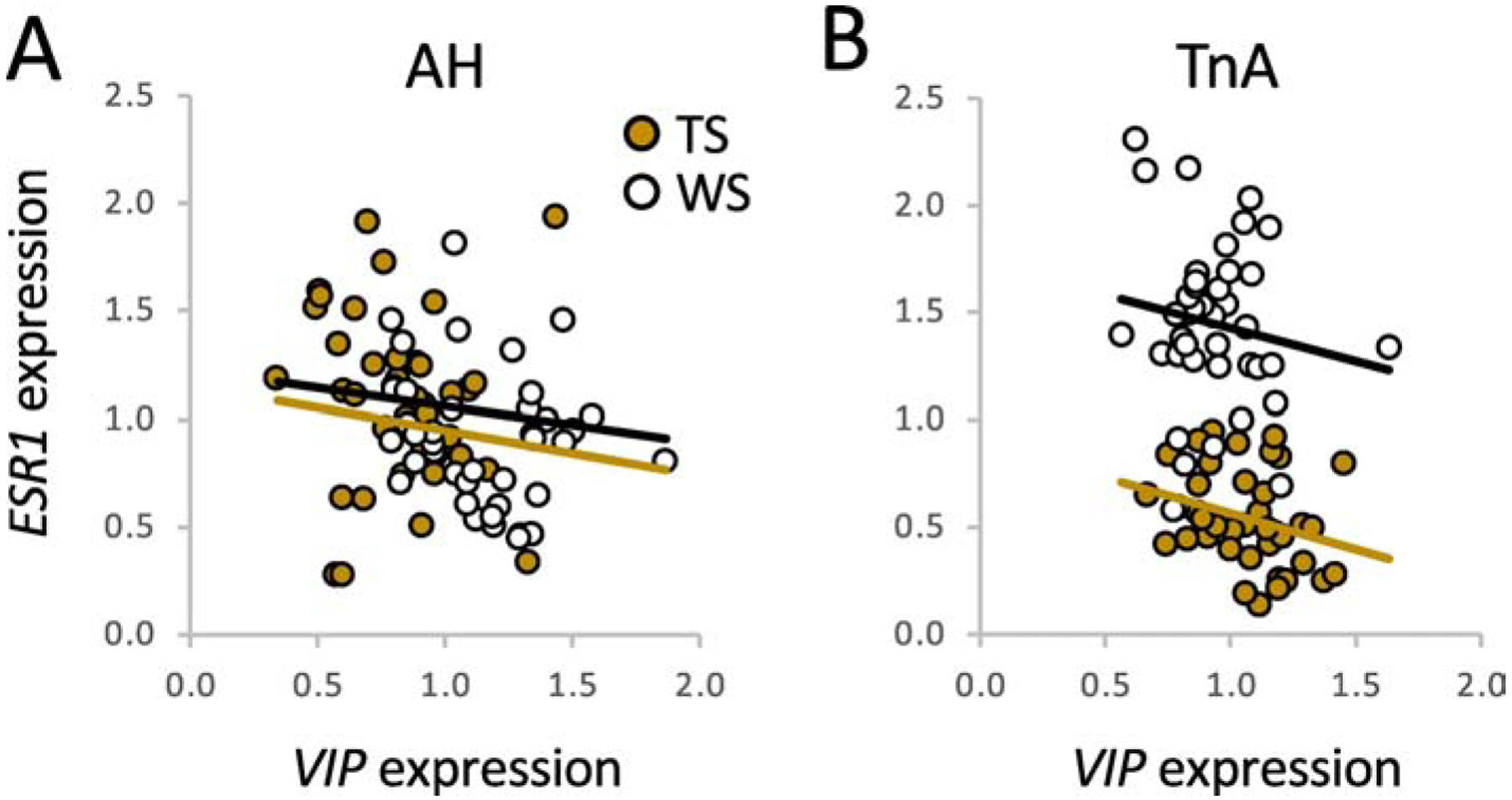
The white-throated sparrow (Zonotrichia albicollis) offers unique opportunities to understand the adaptive value of supergenes, particularly their role in alternative phenotypes. In this species, alternative plumage morphs segregate with a nonrecombining segment of chromosome 2, which has been called a 'supergene'. The species mates disassortatively with respect to the supergene; that is, each breeding pair consists of one individual with it and one without it. This species has therefore been called the "bird with four sexes". The supergene segregates with a behavioral phenotype; birds with it are more aggressive and less parental than birds without it. Here, we review our efforts to identify the genes inside the supergene that are responsible for the behavioral polymorphism. The gene ESR1, which encodes estrogen receptor α, differs between the morphs and predicts both territorial and parental behavior. Variation in the regulatory regions of ESR1 causes an imbalance in expression of the two alleles, and the degree to which this imbalance favors the supergene allele predicts territorial singing. In heterozygotes, knockdown of ESR1 causes a phenotypic switch, from more aggressive to less aggressive. We recently showed that another gene important for social behavior, vasoactive intestinal peptide (VIP), is differentially expressed between the morphs and predicts territorial singing. We hypothesize that ESR1 and VIP contribute to behavior in a coordinated way and could represent co-adapted alleles. Because the supergene contains more than 1000 individual genes, this species provides rich possibilities for discovering alleles that work together to mediate life-history trade-offs and maximize the fitness of alternative complex phenotypes.
Keywords: Alternative phenotypes; Coadaptation; Estrogen receptor alpha; Inversion polymorphism; Life-history strategy; Parental behavior; Social behavior; Song; Territorial aggression; Vasoactive intestinal peptide.
Copyright © 2020 Elsevier Inc. All rights reserved.
Figures
References
-
- Anderson AR, Hoffmann AA, McKechnie SW, Umina PA, & Weeks AR (2005). The latitudinal cline in the In (3R) Payne inversion polymorphism has shifted in the last 20 years in Australian Drosophila melanogaster populations. Molecular Ecology, 14(3), 851–858. - PubMed
-
- Archer J (2006). Testosterone and human aggression: an evaluation of the challenge hypothesis. Neuroscience & Biobehavioral Reviews, 30(3), 319–345. - PubMed
Publication types
MeSH terms
Grants and funding
LinkOut - more resources
Full Text Sources
Miscellaneous
