


Cancers Associated with Human Papillomavirus in American Indian and Alaska Native Populations - United States, 2013-2017
- PMID: 32941412
- PMCID: PMC7498173
- DOI: 10.15585/mmwr.mm6937a2
Cancers Associated with Human Papillomavirus in American Indian and Alaska Native Populations - United States, 2013-2017
Abstract
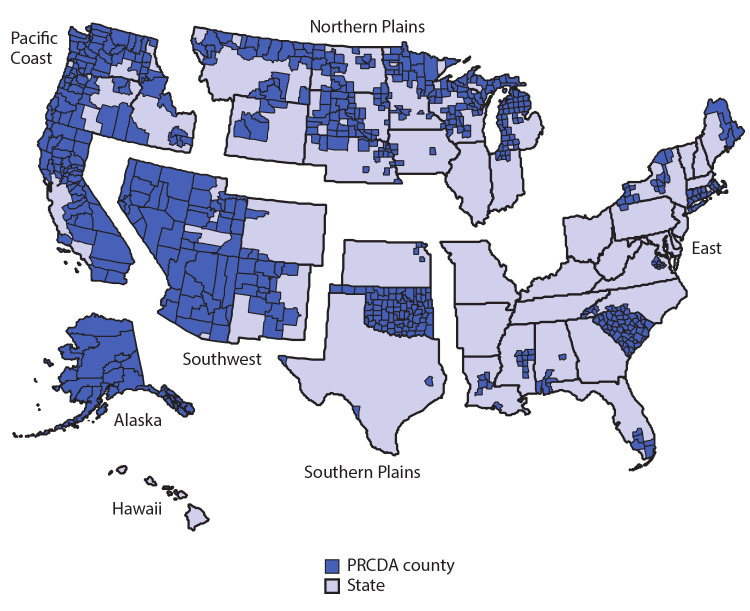
Human papillomavirus (HPV) causes most cervical cancers and some cancers of the penis, vulva, vagina, oropharynx, and anus. Cervical precancers can be detected through screening. HPV vaccination with the 9-valent HPV vaccine (9vHPV) can prevent approximately 92% of HPV-attributable cancers (1).* Previous studies have shown lower incidence of HPV-associated cancers in non-Hispanic American Indian and Alaska Native (AI/AN) populations compared with other racial subgroups (2); however, these rates might have been underestimated as a result of racial misclassification. Previous studies have shown that cancer registry data corrected for racial misclassification resulted in more accurate cancer incidence estimates for AI/AN populations (3,4). In addition, regional variations in cancer incidence among AI/AN populations suggest that nationally aggregated data might not adequately describe cancer outcomes within these populations (5). These variations might, in part, result from geographic disparities in the use of health services, such as cancer screening or vaccination (6). CDC analyzed data for 2013-2017 from central cancer registries linked with the Indian Health Service (IHS) patient registration database to assess the incidence of HPV-associated cancers and to estimate the number of cancers caused by HPV among AI/AN populations overall and by region. During 2013-2017, an estimated 1,030 HPV-associated cancers were reported in AI/AN populations. Of these cancers, 740 (72%) were determined to be attributable to HPV types targeted by 9vHPV; the majority were cervical cancers in females and oropharyngeal cancers in males. These data can help identify regions where AI/AN populations have disproportionately high rates of HPV-associated cancers and inform targeted regional vaccination and screening programs in AI/AN communities.
Conflict of interest statement
All authors have completed and submitted the International Committee of Medical Journal Editors form for disclosure of potential conflicts of interest. No potential conflicts of interest were disclosed.
Figures
References
MeSH terms
LinkOut - more resources
Full Text Sources
Medical
