


SARS-CoV-2 infection of Chinese hamsters (Cricetulus griseus) reproduces COVID-19 pneumonia in a well-established small animal model
- PMID: 32946664
- PMCID: PMC7537531
- DOI: 10.1111/tbed.13837
SARS-CoV-2 infection of Chinese hamsters (Cricetulus griseus) reproduces COVID-19 pneumonia in a well-established small animal model
Abstract
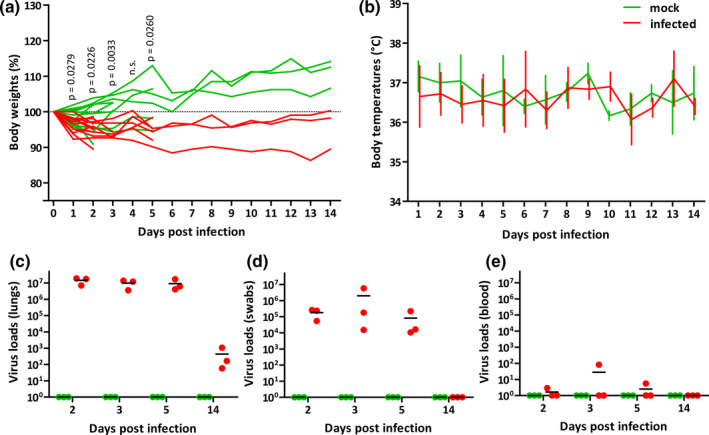
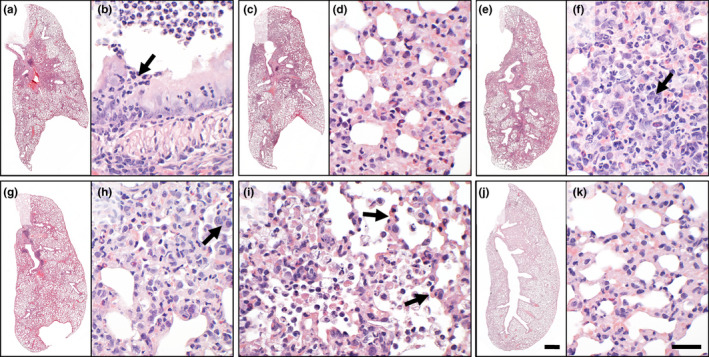
The SARS-CoV-2 pandemic has caused a yet unresolved global crisis. Effective medical intervention by vaccination or therapy seems to be the only possibility to control the pandemic. In this context, animal models are an indispensable tool for basic and applied research to combat SARS-CoV-2 infection. Here, we established a SARS-CoV-2 infection model in Chinese hamsters suitable for studying pathogenesis of the disease as well as pre-clinical testing of vaccines and therapies. This species of hamster is susceptible to SARS-CoV-2 infection as demonstrated by robust virus replication in the upper and lower respiratory tract accompanied by bronchitis and pneumonia as well as significant body weight loss following infection. The Chinese hamster features advantages compared to the Syrian hamster model, including more pronounced clinical symptoms, its small size, well-characterized genome, transcriptome and translatome data and availability of molecular tools.
Keywords: coronavirus; experimental animal models; histopathology.
© 2020 The Authors. Transboundary and Emerging Diseases published by Wiley-VCH GmbH.
Conflict of interest statement
The authors declare no competing interests.
Figures
References
-
- Chan, J. F. , Zhang, A. J. , Yuan, S. , Poon, V. K. , Chan, C. C. , Lee, A. C. , … Yuen, K. Y. (2020). Simulation of the clinical and pathological manifestations of Coronavirus Disease 2019 (COVID‐19) in golden Syrian hamster model: Implications for disease pathogenesis and transmissibility. Clinical Infectious Diseases, ciaa325. 10.1093/cid/ciaa325 - DOI - PMC - PubMed
-
- Gruber, A. D. , Osterrieder, N. , Bertzbach, L. D. , Vladimirova, D. , Greuel, S. , Ihlow, J. , … Dietert, K. (2020). Standardization of Reporting Criteria for Lung Pathology in SARS‐CoV‐2 Infected Hamsters – What Matters? American Journal of Respiratory Cell and Molecular Biology. 10.1165/rcmb.2020-0280LE - DOI - PMC - PubMed
MeSH terms
Grants and funding
LinkOut - more resources
Full Text Sources
Medical
Miscellaneous
