


Chloroquine against malaria, cancers and viral diseases
- PMID: 32947043
- PMCID: PMC7492153
- DOI: 10.1016/j.drudis.2020.09.010
Chloroquine against malaria, cancers and viral diseases
Abstract
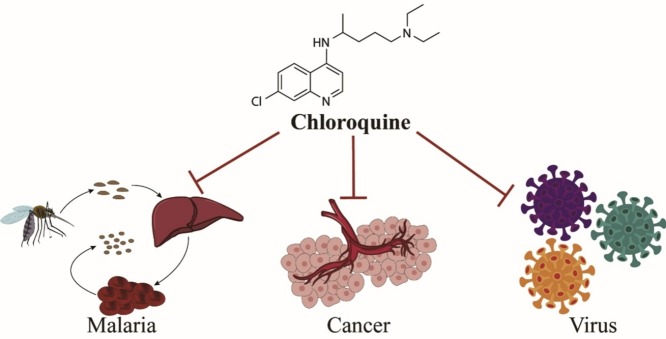
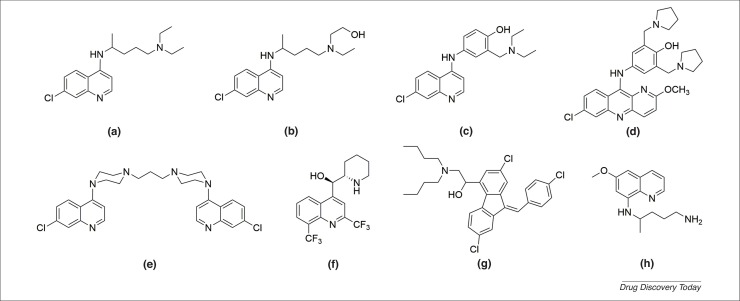
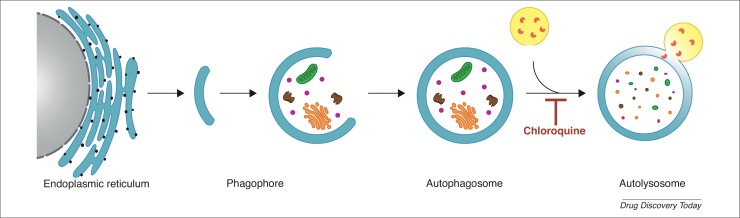
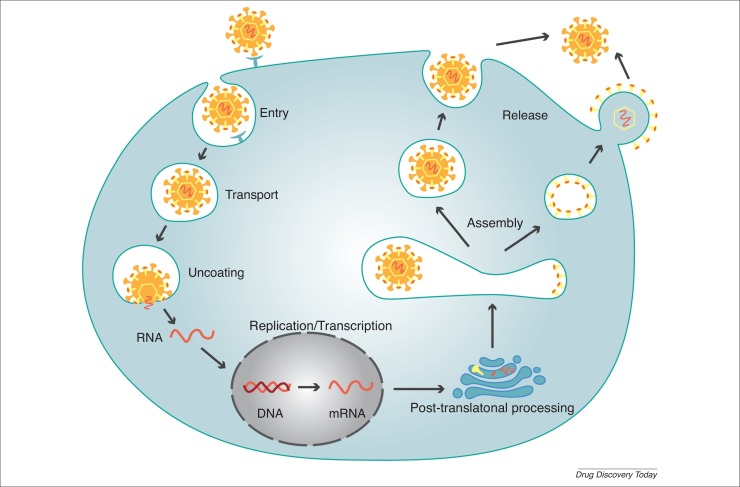
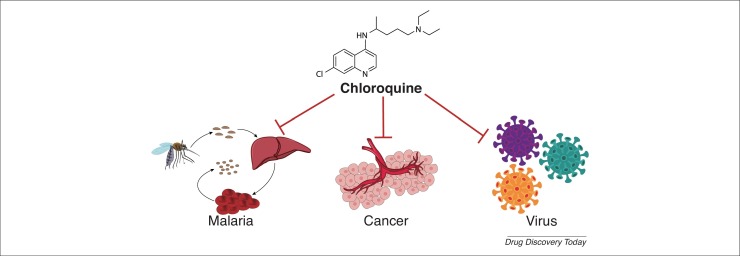
Quinoline (QN) derivatives are often used for the prophylaxis and treatment of malaria. Chloroquine (CQ), a protonated, weakly basic drug, exerts its antimalarial effect mainly by increasing pH and accumulating in the food vacuole of the parasites. Repurposing CQ is an emerging strategy for new indications. Given the inhibition of autophagy and its immunomodulatory action, CQ shows positive efficacy against cancer and viral diseases, including Coronavirus 2019 (COVID-19). Here, we review the underlying mechanisms behind the antimalarial, anticancer and antiviral effects of CQ. We also discuss the clinical evidence for the use of CQ and hydroxychloroquine (HCQ) against COVID-19.
Copyright © 2020. Published by Elsevier Ltd.
Figures
References
-
- Thomé R., et al. Chloroquine: modes of action of an undervalued drug. Immunol. Lett. 2013;153(1):50–57. - PubMed
-
- Zhang Y., et al. The utility of chloroquine in cancer therapy. Curr. Med. Res. Opin. 2015;31(5):1009–1013. - PubMed
-
- Titus E.O. Recent developments in the understanding of the pharmacokinetics and mechanism of action of chloroquine. Ther. Drug Monit. 1989;11(4):369–379. - PubMed
Publication types
LinkOut - more resources
Full Text Sources
