


Learning outcomes of a flipped classroom teaching approach in an adult-health nursing course: a quasi-experimental study
- PMID: 32948178
- PMCID: PMC7501708
- DOI: 10.1186/s12909-020-02240-z
Learning outcomes of a flipped classroom teaching approach in an adult-health nursing course: a quasi-experimental study
Abstract
Background: New teaching strategies must be developed not only to enhance nurse's competence but also to allow nurses to respond to the complex health care needs of today's society. The purpose of this study was to explore the learning outcomes of a flipped classroom teaching approach in an adult-health nursing course for students in a two-year Bachelor of Science in Nursing program.
Methods: The study had a quasi-experimental design. An 18-week flipped classroom teaching approach was applied in an adult-health nursing course. In total, 485 nursing students enrolled in the study, with 287 in the experimental group and 198 in the control group. The Self-Evaluated Core Competencies Scale, Metacognitive Inventory for Nursing Students, Self-Directed Learning Readiness Scale, and self-designed learning satisfaction questionnaire were used to evaluate the students' learning outcomes.
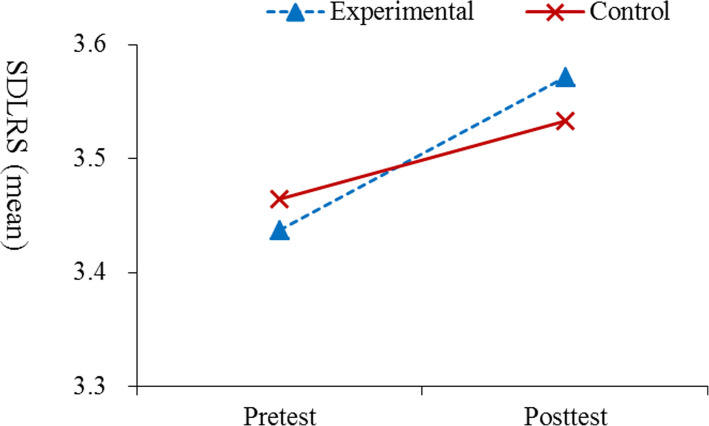
Results: The experimental group showed a statistically significant increase in the overall scores for self-evaluated core competencies, the "self-modification" subscale of the Metacognitive Inventory for Nursing Students, and in overall self-directed learning readiness; further, they also showed high levels of course satisfaction.
Conclusions: A flipped classroom teaching approach had a positive impact on student's learning motivation and contributed to better learning outcomes in an adult-health nursing course. The flipped classroom combined with hybrid teaching methods is a suitable and effective learning strategy for a registered nurse (RN) to Bachelor of Science in Nursing (BSN) program to tackle today's complex revolution in nursing curricula, and may enhance nursing students' abilities to address numerous challenges.
Keywords: Adult-health nursing; Bachelor of science in nursing; Flipped classroom.
Conflict of interest statement
The authors declare that they have no competing interests.
Figures


References
-
- Institute of Medicine . The future of nursing: Leading change, advancing health. 2010.
MeSH terms
Grants and funding
LinkOut - more resources
Full Text Sources
