


Pentagalloyl glucose from Schinus terebinthifolia inhibits growth of carbapenem-resistant Acinetobacter baumannii
- PMID: 32948818
- PMCID: PMC7501240
- DOI: 10.1038/s41598-020-72331-w
Pentagalloyl glucose from Schinus terebinthifolia inhibits growth of carbapenem-resistant Acinetobacter baumannii
Abstract
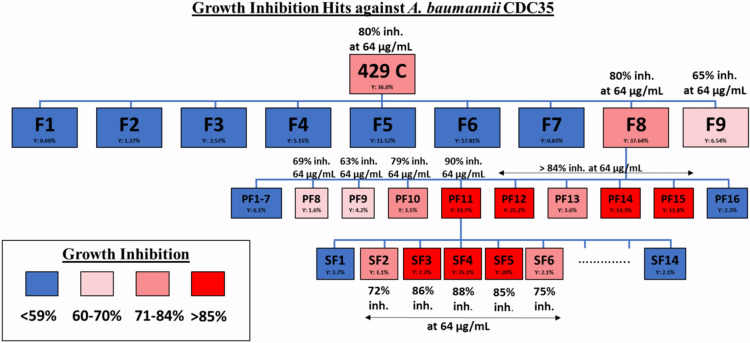
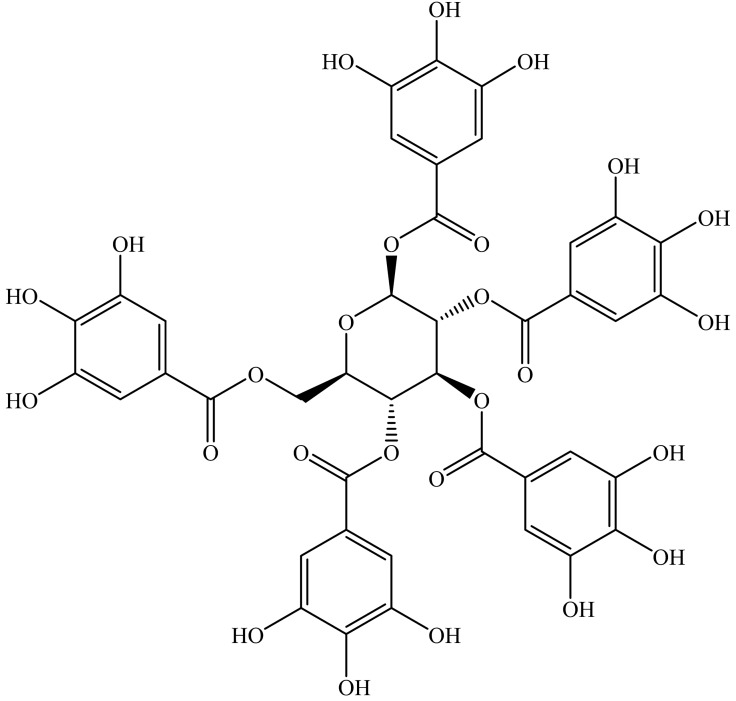
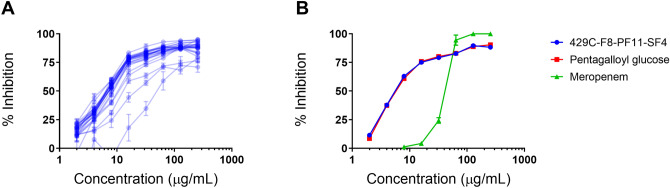
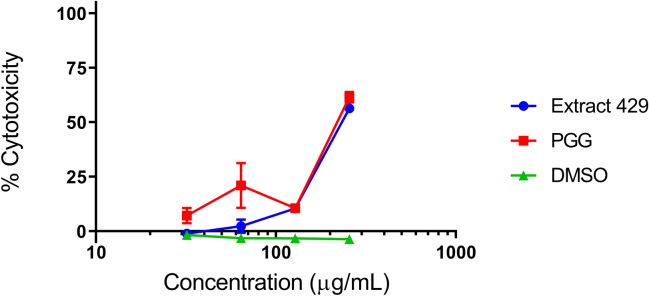
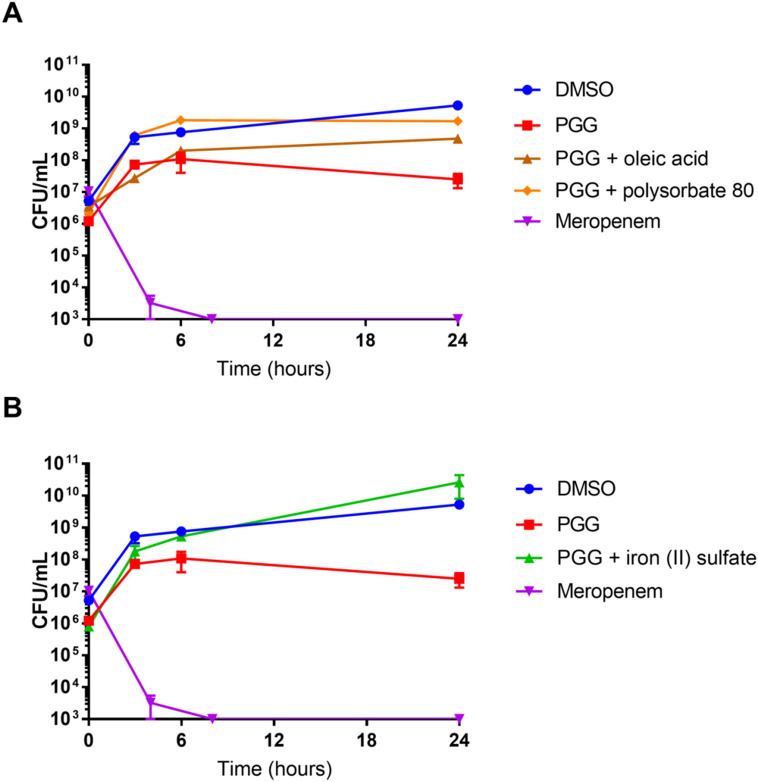
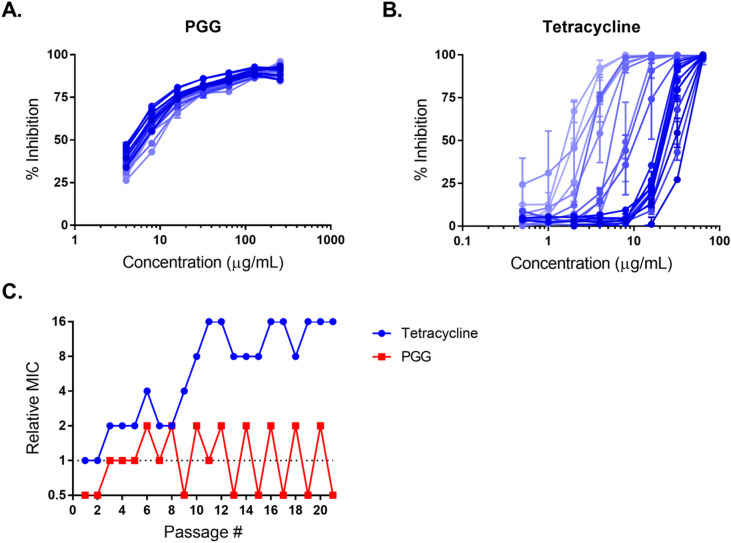
The rise of antibiotic resistance has necessitated a search for new antimicrobials with potent activity against multidrug-resistant gram-negative pathogens, such as carbapenem-resistant Acinetobacter baumannii (CRAB). In this study, a library of botanical extracts generated from plants used to treat infections in traditional medicine was screened for growth inhibition of CRAB. A crude extract of Schinus terebinthifolia leaves exhibited 80% inhibition at 256 µg/mL and underwent bioassay-guided fractionation, leading to the isolation of pentagalloyl glucose (PGG), a bioactive gallotannin. PGG inhibited growth of both CRAB and susceptible A. baumannii (MIC 64-256 µg/mL), and also exhibited activity against Pseudomonas aeruginosa (MIC 16 µg/mL) and Staphylococcus aureus (MIC 64 µg/mL). A mammalian cytotoxicity assay with human keratinocytes (HaCaTs) yielded an IC50 for PGG of 256 µg/mL. Mechanistic experiments revealed iron chelation as a possible mode of action for PGG's activity against CRAB. Passaging assays for resistance did not produce any resistant mutants over a period of 21 days. In conclusion, PGG exhibits antimicrobial activity against CRAB, but due to known pharmacological restrictions in delivery, translation as a therapeutic may be limited to topical applications such as wound rinses and dressings.
Conflict of interest statement
The authors declare no competing interests.
Figures
References
-
- CDC. Antibiotic Resistance Threats in the United States, 2019. (Department of Health and Human Services, Centers for Disease Control, 2019).
Publication types
MeSH terms
Substances
Grants and funding
LinkOut - more resources
Full Text Sources
Medical
Molecular Biology Databases
