. 2020 Dec:334:113465.
doi: 10.1016/j.expneurol.2020.113465. Epub 2020 Sep 17.

Ampakines stimulate phrenic motor output after cervical spinal cord injury

Affiliations

Ampakines stimulate phrenic motor output after cervical spinal cord injury

L B Wollman et al. Exp Neurol. 2020 Dec.

Abstract

Activation of α-amino-3-hydroxy-5-methyl-4-isoxazolepropionic acid (AMPA) receptors increases phrenic motor output. Ampakines are a class of drugs that are positive allosteric modulators of AMPA receptors. We hypothesized that 1) ampakines can stimulate phrenic activity after incomplete cervical spinal cord injury (SCI), and 2) pairing ampakines with brief hypoxia could enable sustained facilitation of phrenic bursting. Phrenic activity was recorded ipsilateral (IL) and contralateral (CL) to C2 spinal cord hemisection (C2Hx) in anesthetized adult rats. Two weeks after C2Hx, ampakine CX717 (15 mg/kg, i.v.) increased IL (61 ± 46% baseline, BL) and CL burst amplitude (47 ± 26%BL) in 8 of 8 rats. After 90 min, IL and CL bursting remained above baseline (BL) in 7 of 8 rats. Pairing ampakine with a single bout of acute hypoxia (5-min, arterial partial pressure of O2 ~ 50 mmHg) had a variable impact on phrenic bursting, with some rats showing a large facilitation that exceeded the response of the ampakine alone group. At 8 weeks post-C2Hx, 7 of 8 rats increased IL (115 ± 117%BL) and CL burst amplitude (45 ± 27%BL) after ampakine. The IL burst amplitude remained above BL for 90-min in 7 of 8 rats; CL bursting remained elevated in 6 of 8 rats. The sustained impact of ampakine at 8 weeks was not enhanced by hypoxia exposure. Intravenous vehicle (10% 2-Hydroxypropyl-β-cyclodextrin) did not increase phrenic bursting at either time point. We conclude that ampakines effectively stimulate neural drive to the diaphragm after cervical SCI. Pairing ampakines with a single hypoxic exposure did not consistently enhance phrenic motor facilitation.

Keywords: Ampakine; Hypoxia; Neuroplasticity; Phrenic; Respiratory; Spinal cord injury.


Figures

Figure 1.
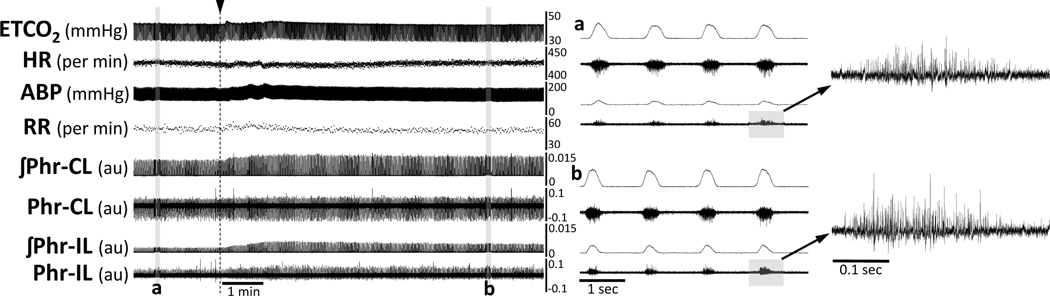
Figure 1.. Representative data showing the acute impact of intravenous delivery of ampakine CX717 on phrenic motor output, heart rate, and MAP at 8 weeks following C2Hx injury.
The traces show that infusion of ampakine solution (indicated by the arrow and dashed line) evoked a rapid and bilateral increase in phrenic motor output with relatively little impact on respiratory rate. Panels a and b provide expanded time scale traces which highlight the increase of inspiratory burst amplitude recorded ipsilateral to the C2Hx injury. ABP = arterial blood pressure (ABP); HR = heart rate; ETCO2 = end-tidal CO2; RR = respiratory rate; ʃPhr = integrated phrenic signal; CL = contralateral to C2Hx; IL = ipsilateral to C2Hx. The phrenic nerve burst amplitude can be considered as arbitrary units (au).
Figure 2.
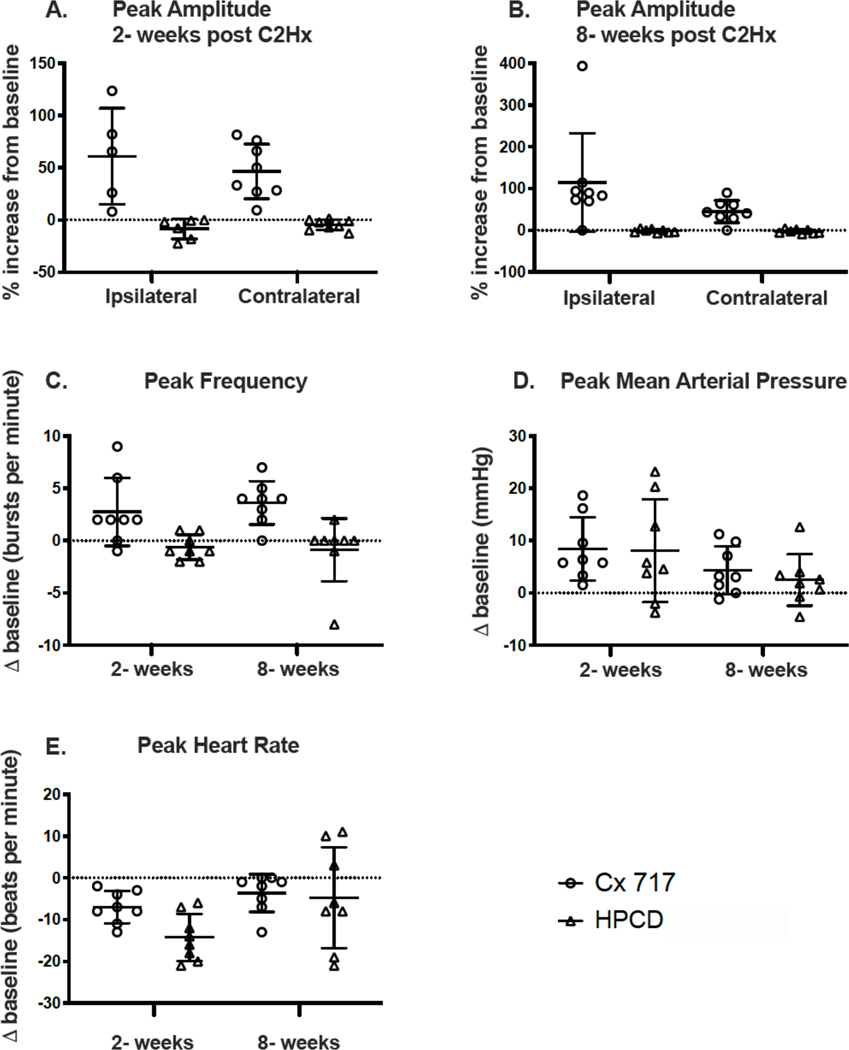
Figure 2.. The peak response to intravenous delivery of ampakine CX717 or HPCD.
The peak change in phrenic burst amplitude, burst frequency, mean arterial pressure and heart rate were evaluated at three minutes following infusion of CX717 or vehicle solution (HPCD). N=8 for all groups with the following exception. In panel A, for the phrenic nerve recordings ipsilateral to C2Hx, n=5 for the CX717 group and n=6 for the HPCD group. This is because data points with “zero baseline” (i.e., no quantifiable inspiratory phrenic bursting) could not be included in these normalized data plots. Statistical results are reported in the main text.
Figure 3.
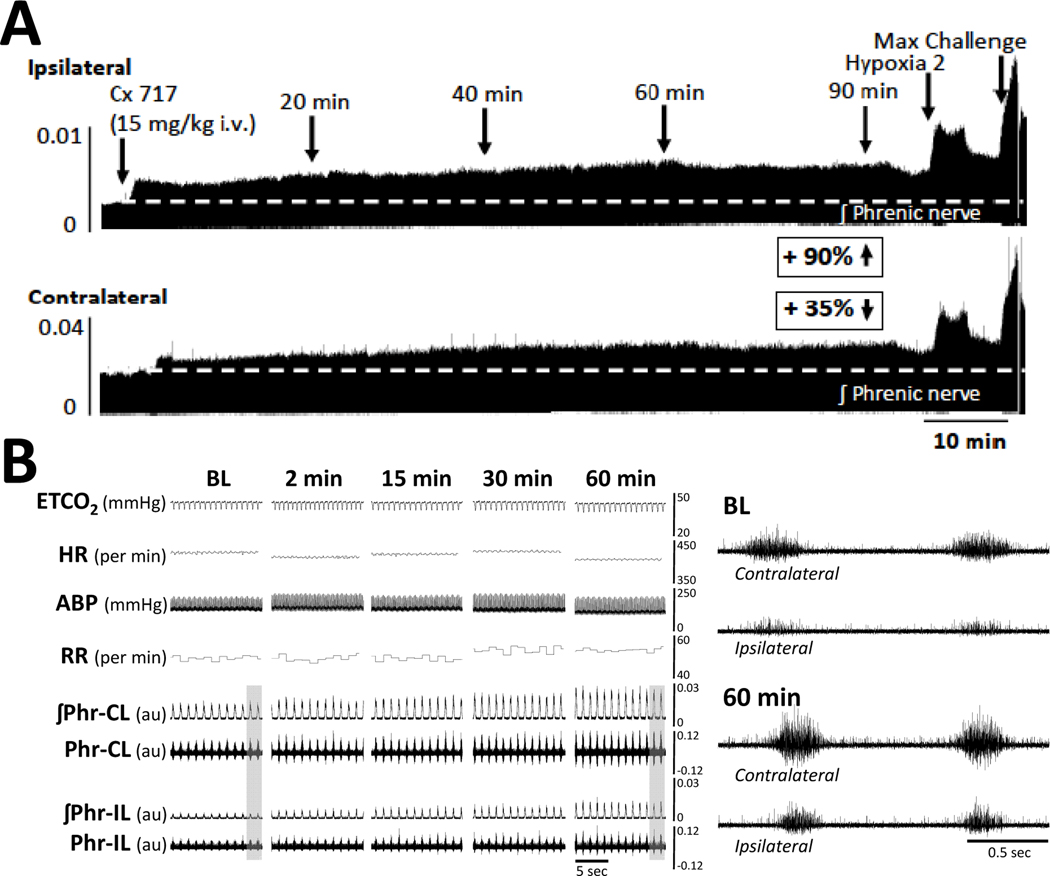
Figure 3.. A representative example of the sustained impact of intravenous delivery of ampakine CX717 on phrenic nerve activity, arterial blood pressure and heart rate at 8 weeks following C2Hx injury.
Approximately 15-seconds of data are shown at baseline (BL), and 2-, 15-, 30-, and 60-minutes following CX717 administration. Note the sustained and bilateral increase in inspiratory phrenic burst amplitude. Panels a (baseline) and b (60-minutes post-CX717) provide expanded time scale traces taken from the areas indicated by the gray box. ETCO2 = end-tidal CO2, HR = heart rate; ABP = arterial blood pressure (ABP), RR = respiratory rate; ʃPhr = integrated phrenic signal; CL = contralateral to C2Hx; IL = ipsilateral to C2Hx. The phrenic nerve burst amplitude can be considered as arbitrary units (au).
Figure 4.
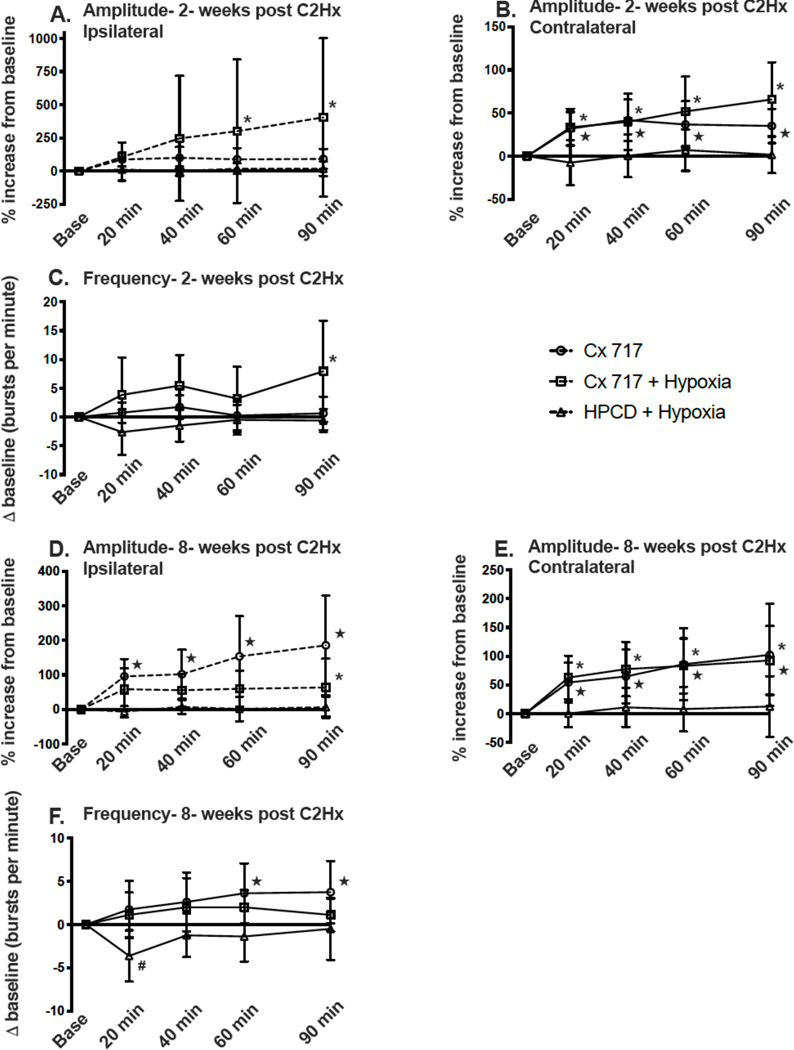
Figure 4.. The sustained impact of ampakine CX717 alone, CX717+hypoxia, or vehicle (HPCD)+hypoxia on phrenic motor output.
Data are shown from 2-weeks post-C2Hx (panels A-C) and 8-wks post-C2Hx (panels D-F). Data were collected in separate cohorts of rats as described in the text. In panel A, ipsilateral phrenic nerve output was absent during baseline recordings in several animals within each group. Thus, for Panel A, n=5 for CX717, n=6 for CX717+hypoxia, and n=6 for HPCD+hypoxia. The sample size is n=8 for all groups in Panels B-F. *, indicates that the CX717+hypoxia data point is statistically greater than baseline; ★, indicates that the CX717 alone data point is statistically greater than baseline. ANOVA results are presented in the main text.
Figure 5.
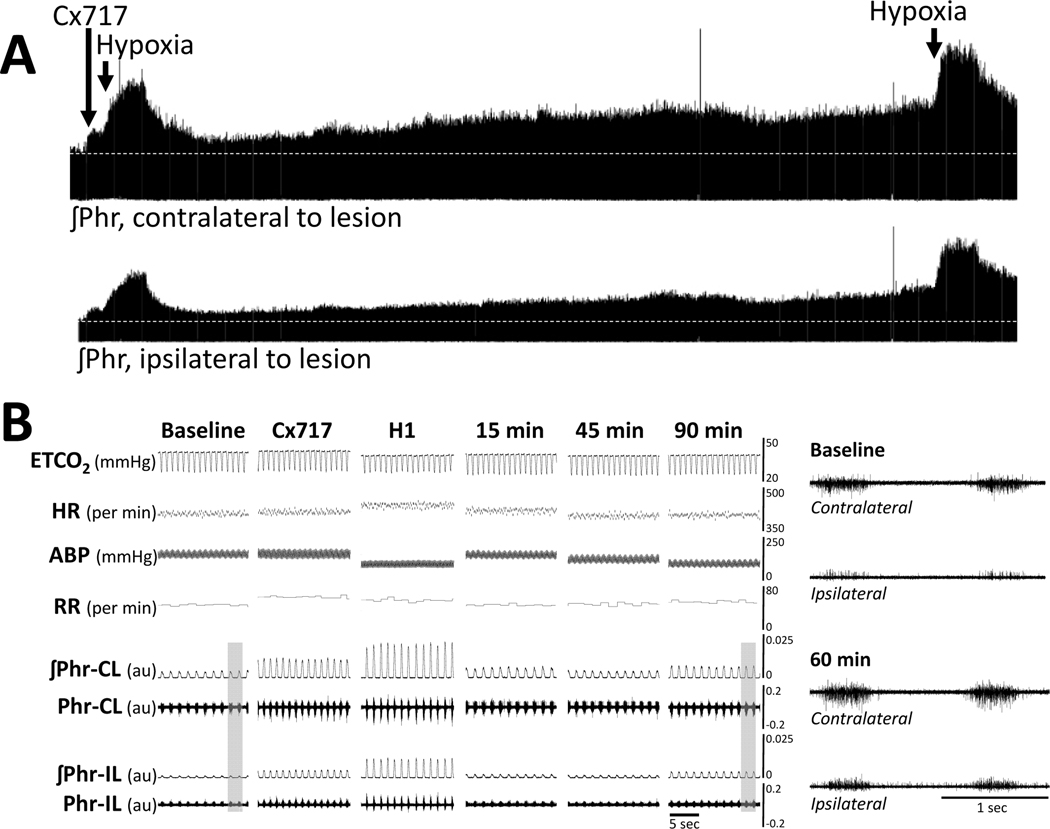
Figure 5.. A representative example of the sustained impact of intravenous delivery of ampakine CX717 following a few minutes later by exposure to hypoxia on phrenic nerve activity, arterial blood pressure and heart rate at 2 weeks following C2Hx injury.
Approximately 15-seconds of data are shown at baseline (BL), 3-minutes after CX717 infusion, during hypoxia (H1), and 15-, 45-, and 90-minutes following hypoxia. Panels a (baseline) and b (90-minutes post-hypoxia) provide expanded time scale traces taken from the areas indicated by the gray box. ETCO2 = end-tidal CO2, HR = heart rate; ABP = arterial blood pressure (ABP), RR = respiratory rate. The phrenic nerve burst amplitude can be considered as arbitrary units (au).
Figure 6.
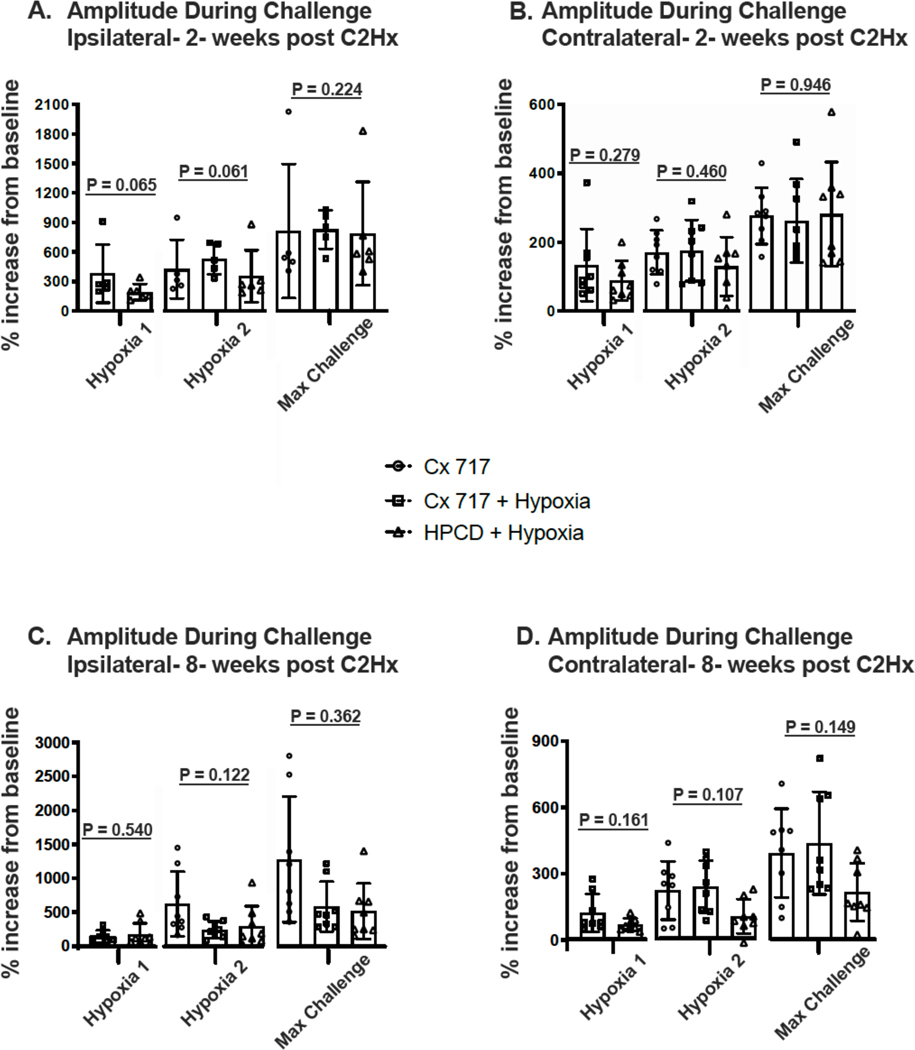
Figure 6.. Phrenic inspiratory burst amplitude during respiratory challenges.
Bilateral phrenic nerve recordings were made during an initial hypoxic exposure (H1) in two treatment groups: CX717+hypoxia and HPCD+hypoxia. The group receiving CX717 alone was not exposed to H1. An additional hypoxic episode (H2) and a maximum chemoreceptor challenge (Max Challenge) were made at the conclusion of the experiment in all three groups. Data were collected at 2-weeks (panels A-B) and 8-weeks post C2Hx (panels C-D). The P-values from t-test (H1) and 1-way ANOVA (H2 and Max Challenge) are presented on the figure.
Figure 7.
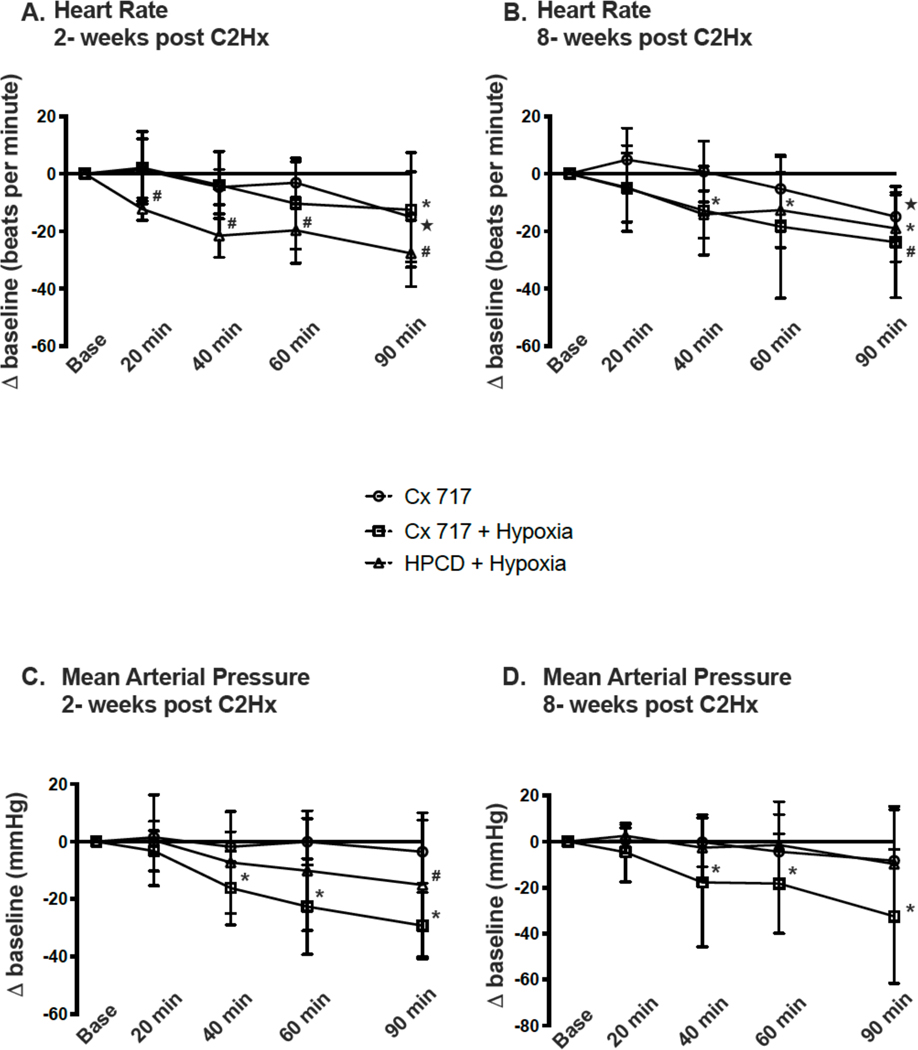
Figure 7.. The sustained impact of ampakine CX717 alone, CX717+hypoxia, or vehicle (HPCD)+hypoxia on heart rate and mean arterial pressure.
Data are shown from 2-weeks post-C2Hx (panels A and C) and 8-wks post-C2Hx (panels B and D). The sample size is n=8 for all groups. *, indicates that the CX717+hypoxia data point is statistically greater than baseline; ★, indicates that the CX717 alone data point is statistically greater than baseline; #, indicates that the HPCD+hypoxia data point is greater than baseline. ANOVA results are presented in the main text.
Figure 8.
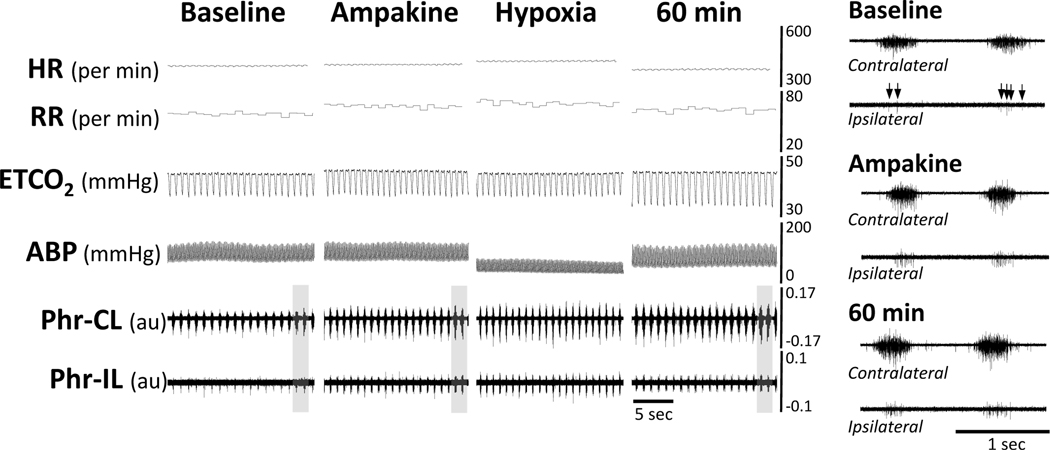
Figure 8.. A representative example obtained 2 weeks following C2Hx injury in which the baseline phrenic output was too small to quantitate.
Presented in the figure are heart rate (HR), respiratory rate (RR), end-tidal CO2 (ETCO2), arterial blood pressure (ABP) and phrenic nerve discharge recorded contralateral (CL) and ipsilateral (IL) to C2Hx. The right panels provide expanded time scale traces taken from the areas indicated by the gray box in the left panel. In this example, the baseline recordings indicate that only a few phrenic motor units were active. This is best appreciated in the expanded time scale traces shown in the right panel (arrows indicate spikes in the recording). In all 5 animals tested in which ipsilateral output was too small to measure reliability (e.g. zero of just a few sporadic motor unit discharges), administration of ampakine CX717 restored some degree of bursting. The phrenic nerve burst amplitude can be considered as arbitrary units (au).

References

    1. Alilain WJ, Goshgarian HG, 2008. Glutamate receptor plasticity and activity-regulated cytoskeletal associated protein regulation in the phrenic motor nucleus may mediate spontaneous recovery of the hemidiaphragm following chronic cervical spinal cord injury. Experimental neurology 212, 348–357. - PMC - PubMed
    1. Arai A, Kessler M, Rogers G, Lynch G, 1996. Effects of a memory-enhancing drug on DL-alpha-amino-3-hydroxy-5-methyl-4-isoxazolepropionic acid receptor currents and synaptic transmission in hippocampus. The Journal of pharmacology and experimental therapeutics 278, 627–638. - PubMed
    1. Arai AC, Kessler M, 2007. Pharmacology of ampakine modulators: from AMPA receptors to synapses and behavior. Current drug targets 8, 583–602. - PubMed
    1. Arai AC, Xia YF, Rogers G, Lynch G, Kessler M, 2002. Benzamide-type AMPA receptor modulators form two subfamilies with distinct modes of action. The Journal of pharmacology and experimental therapeutics 303, 1075–1085. - PubMed
    1. Arai AC, Xia YF, Suzuki E, 2004. Modulation of AMPA receptor kinetics differentially influences synaptic plasticity in the hippocampus. Neuroscience 123, 1011–1024. - PubMed

Publication types

MeSH terms