


Vulnerable and Resilient Phenotypes in a Mouse Model of Anorexia Nervosa
- PMID: 32950210
- PMCID: PMC7855473
- DOI: 10.1016/j.biopsych.2020.06.030
Vulnerable and Resilient Phenotypes in a Mouse Model of Anorexia Nervosa
Abstract
Background: Increased physical activity is a common feature of anorexia nervosa (AN). Although high activity levels are associated with greater risk of developing AN, particularly when combined with dieting, most individuals who diet and exercise maintain a healthy body weight. It is unclear why some individuals develop AN while most do not. A rodent model of resilience and vulnerability to AN would be valuable to research. Dopamine, which is believed to play a crucial role in AN, regulates both reward and activity and may modulate vulnerability.
Methods: Adolescent and young adult female C57BL/6N mice were tested in the activity-based anorexia (ABA) model, with an extended period of food restriction in adult mice. ABA was also tested in dopamine transporter knockdown mice and wild-type littermates. Mice that adapted to conditions and maintained a stable body weight were characterized as resilient.
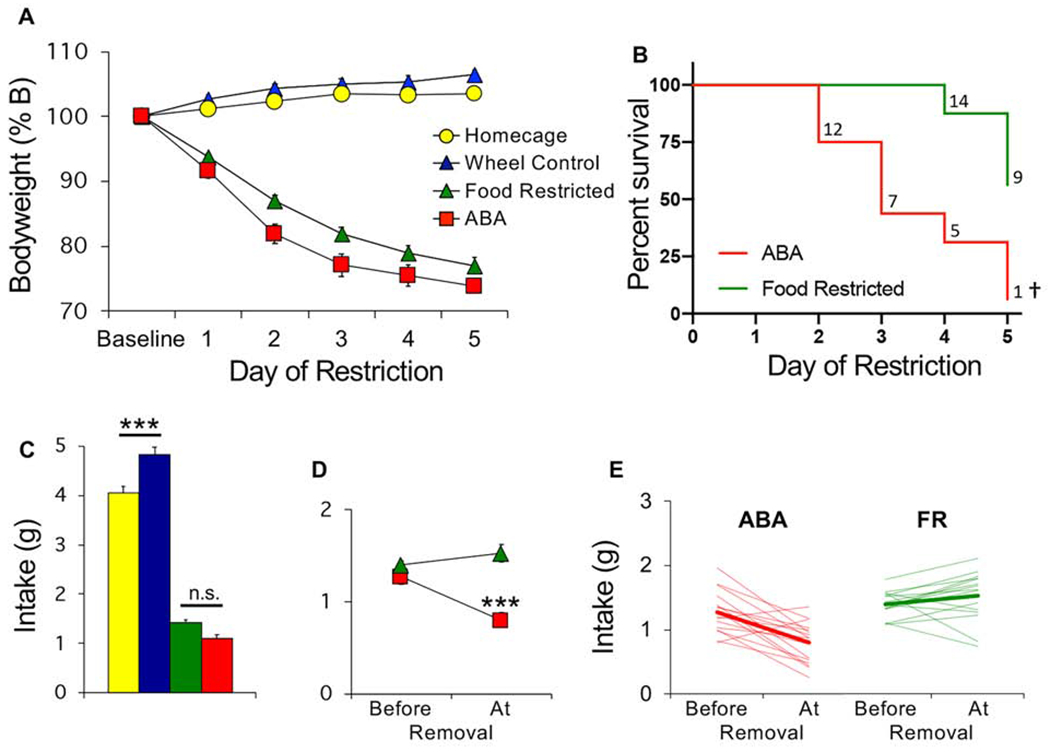
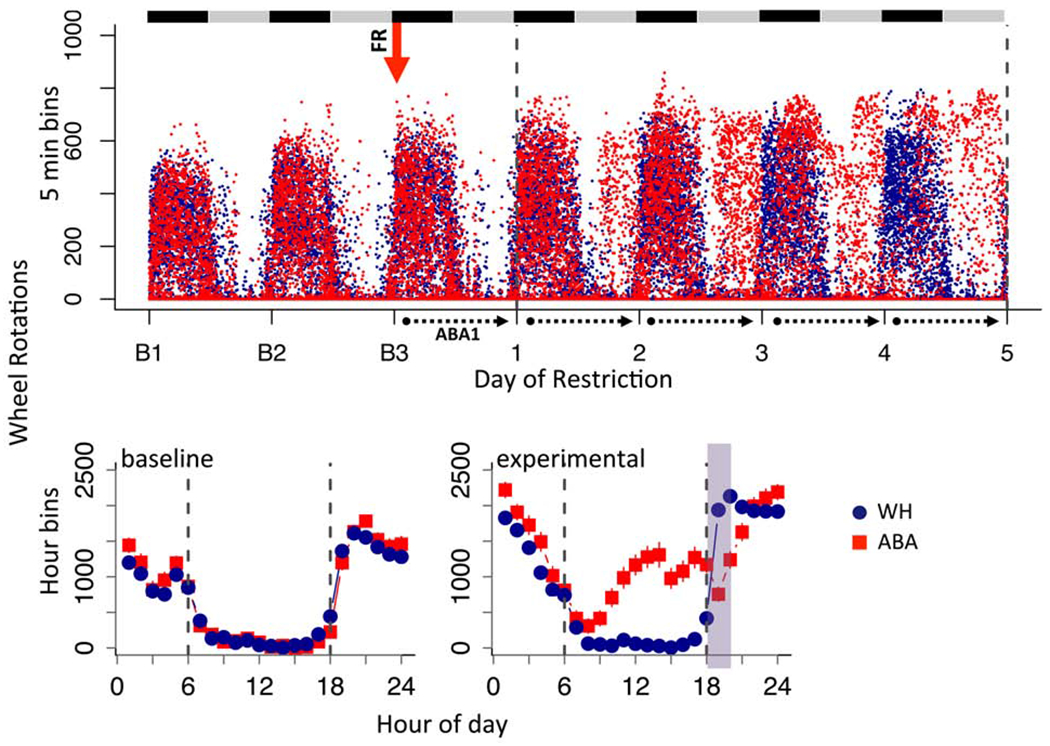
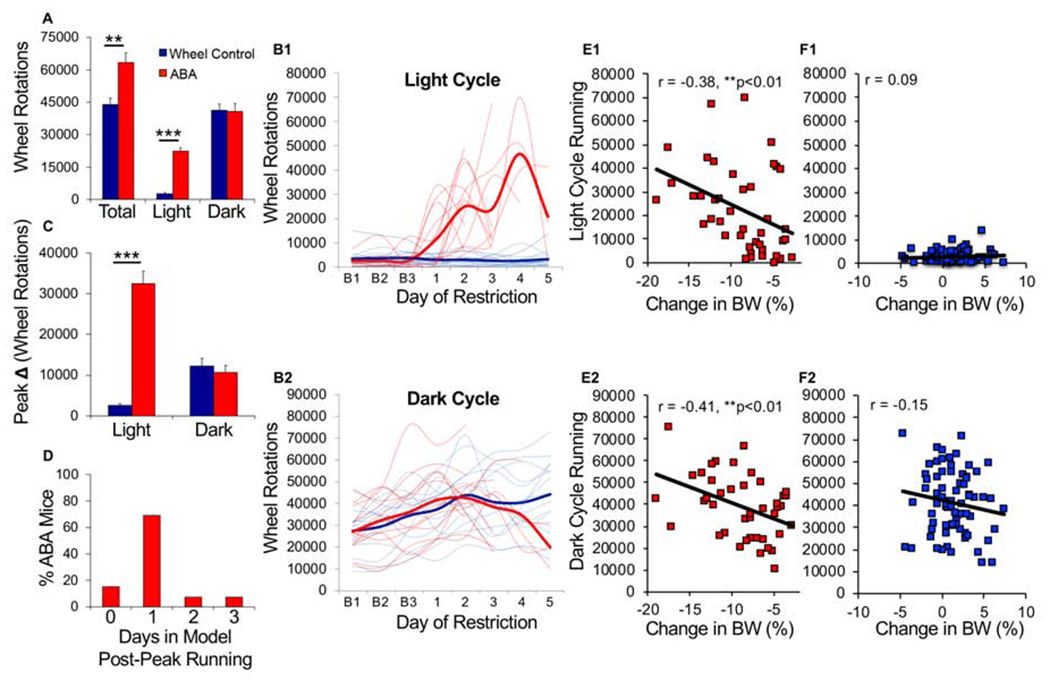
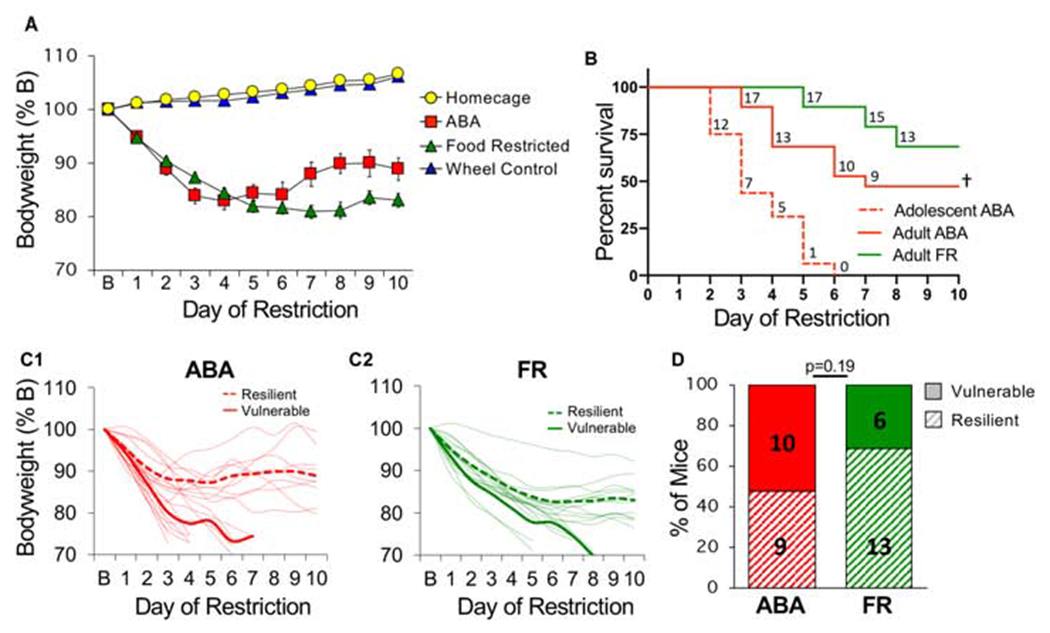
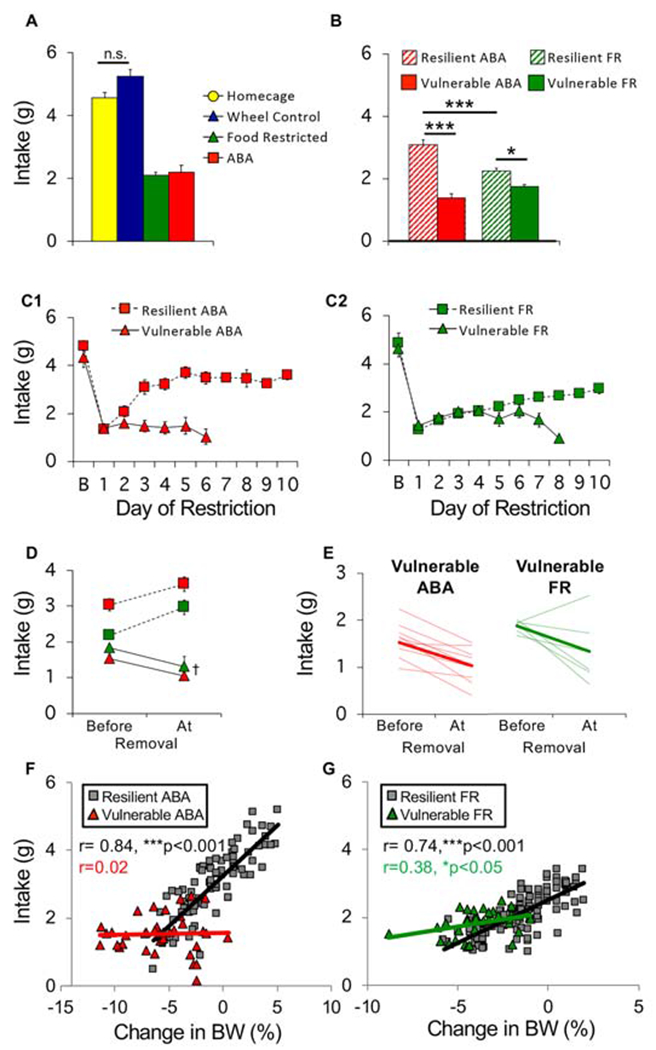
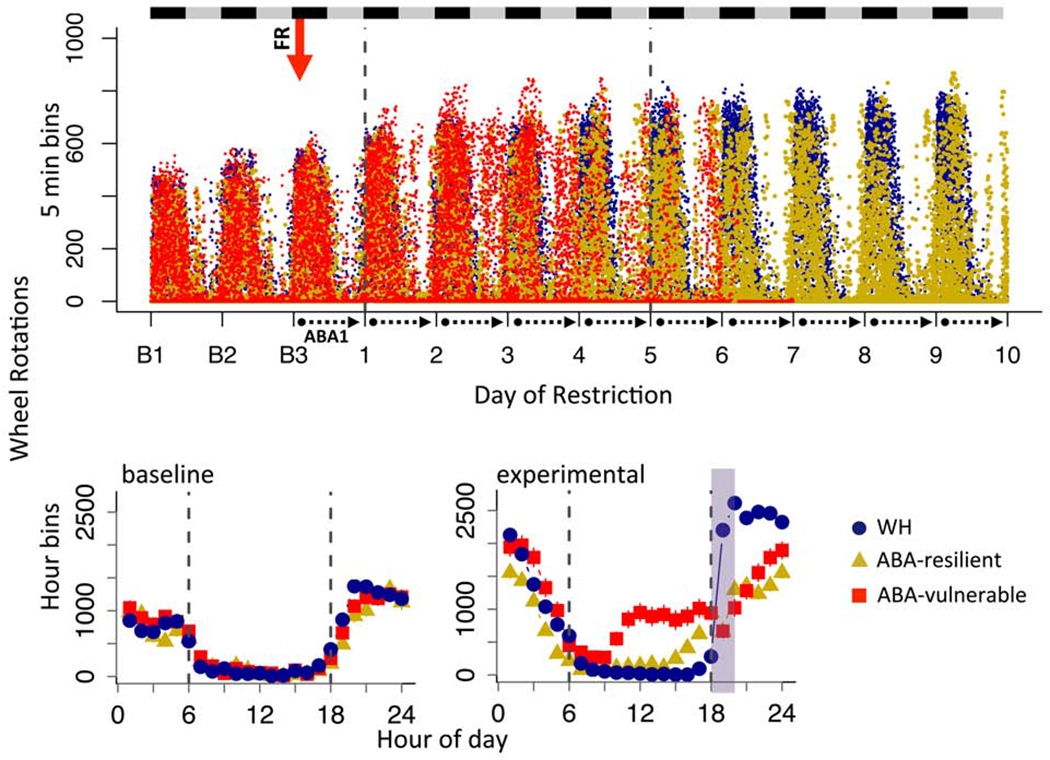
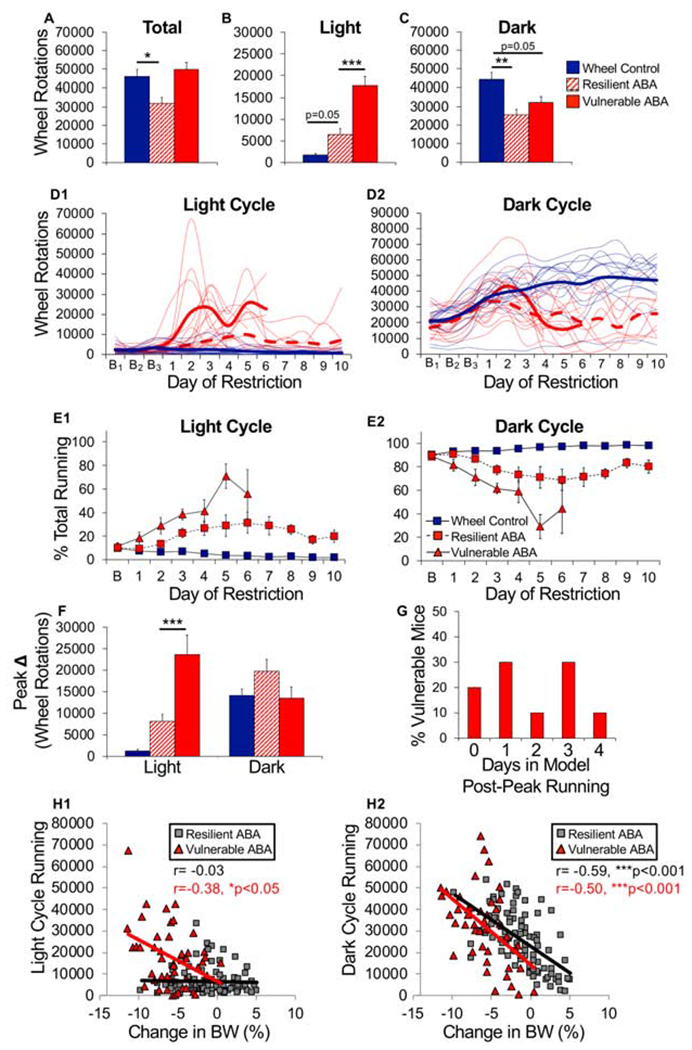
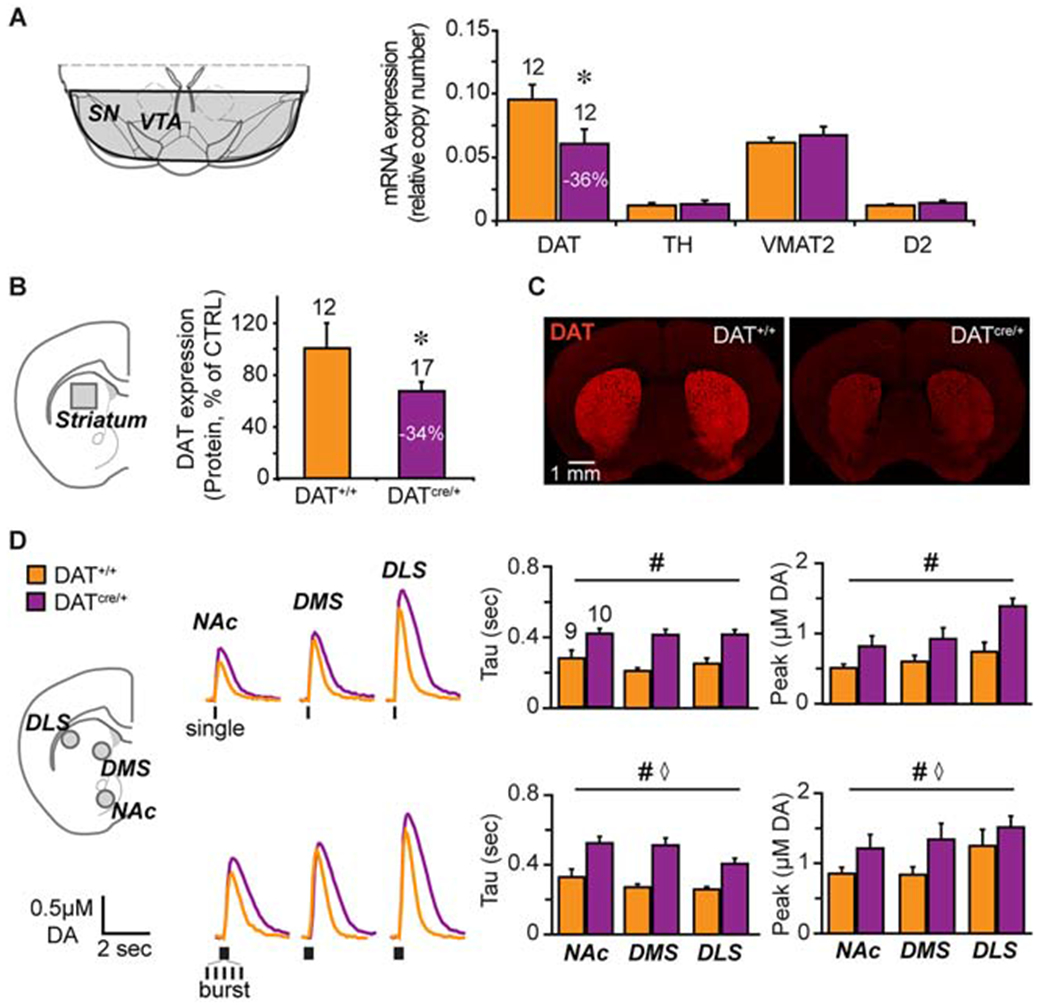
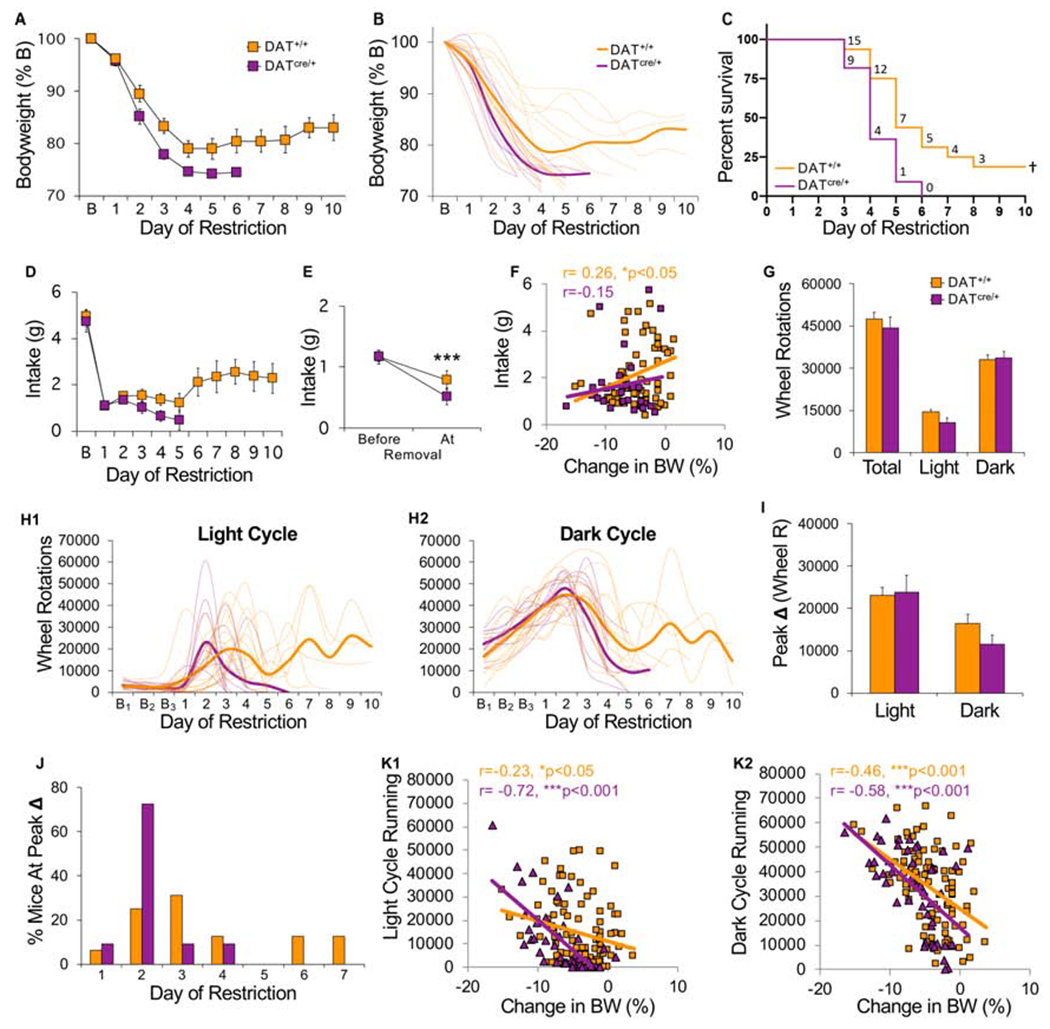
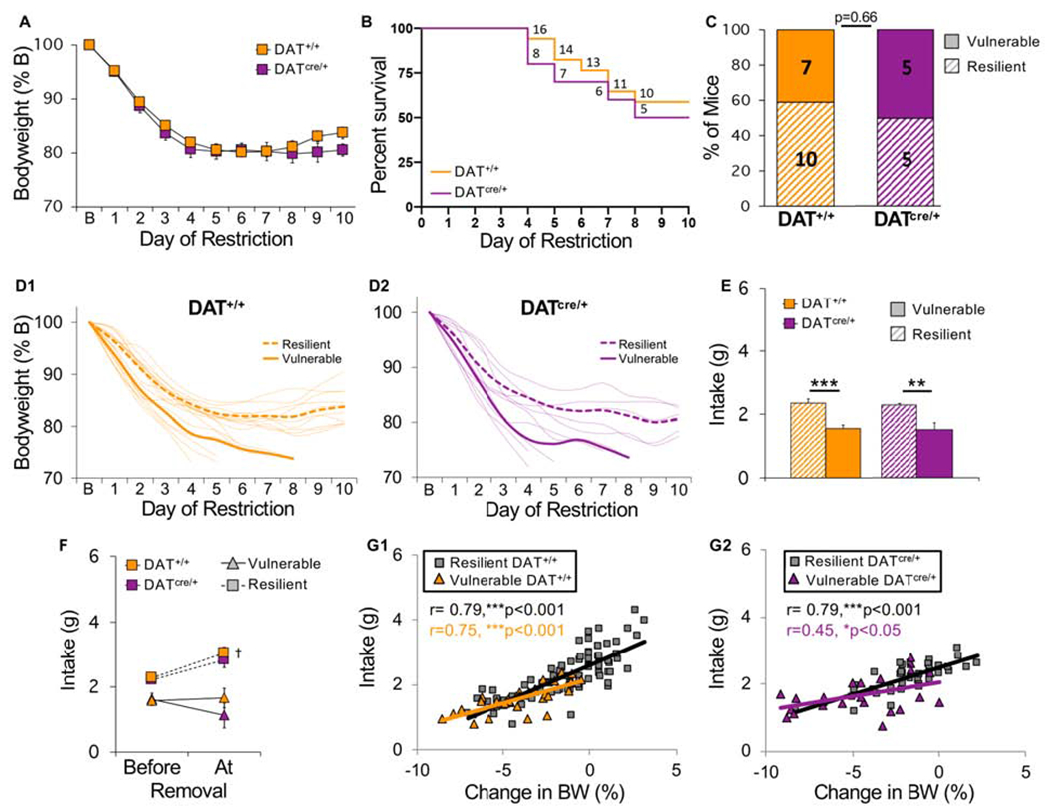
Results: In adults, vulnerable and resilient phenotypes emerged in both the ABA and food-restricted mice without wheels. Vulnerable mice exhibited a pronounced increase in running throughout the light cycle, which dramatically peaked prior to requiring removal from the experiment. Resilient mice exhibited an adaptive decrease in total running, appropriate food anticipatory activity, and increased consumption, thereby achieving stable body weight. Hyperdopaminergia accelerated progression of the vulnerable phenotype.
Conclusions: Our demonstration of distinct resilient and vulnerable phenotypes in mouse ABA significantly advances the utility of the model for identifying genes and neural substrates mediating AN risk and resilience. Modulation of dopamine may play a central role in the underlying circuit.
Keywords: Activity-based anorexia; Anorexia nervosa; Dopamine; Exercise; Food restriction; Hyperdopaminergic; Resilience; Starvation; Vulnerability.
Copyright © 2020 Society of Biological Psychiatry. Published by Elsevier Inc. All rights reserved.
Conflict of interest statement
FINANCIAL DISCLOSURES
All authors report no biomedical financial interests or potential conflicts of interest.
Figures
Comment in
-
The Role of Dopamine in Contributing to Vulnerable and Resilient Phenotypes in a Mouse Model of Anorexia Nervosa.Biol Psychiatry. 2021 Dec 15;90(12):e69-e71. doi: 10.1016/j.biopsych.2021.10.005. Biol Psychiatry. 2021. PMID: 34794638 Free PMC article. No abstract available.
References
-
- Steinhausen H-C (2002): The Outcome of Anorexia Nervosa in the 20th Century. Am J Psychiatry 159: 1284–1293. - PubMed
-
- Fichter MM, Quadflieg N, Crosby RD, Koch S (2017): Long-term outcome of anorexia nervosa: Results from a large clinical longitudinal study: FICHTER et al. Int J Eat Disord 50: 1018–1030. - PubMed
Publication types
MeSH terms
Grants and funding
LinkOut - more resources
Full Text Sources
Other Literature Sources
Molecular Biology Databases
