Review
. 2021 May;29(5):441-457.
doi: 10.1016/j.tim.2020.08.001. Epub 2020 Sep 18.

Molecular Evolution of Transition Metal Bioavailability at the Host-Pathogen Interface

Affiliations
Review

Molecular Evolution of Transition Metal Bioavailability at the Host-Pathogen Interface

Giuliano T Antelo et al. Trends Microbiol. 2021 May.

Abstract

The molecular evolution of the adaptive response at the host-pathogen interface has been frequently referred to as an 'arms race' between the host and bacterial pathogens. The innate immune system employs multiple strategies to starve microbes of metals. Pathogens, in turn, develop successful strategies to maintain access to bioavailable metal ions under conditions of extreme restriction of transition metals, or nutritional immunity. However, the processes by which evolution repurposes or re-engineers host and pathogen proteins to perform or refine new functions have been explored only recently. Here we review the molecular evolution of several human metalloproteins charged with restricting bacterial access to transition metals. These include the transition metal-chelating S100 proteins, natural resistance-associated macrophage protein-1 (NRAMP-1), transferrin, lactoferrin, and heme-binding proteins. We examine their coevolution with bacterial transition metal acquisition systems, involving siderophores and membrane-spanning metal importers, and the biological specificity of allosteric transcriptional regulatory proteins tasked with maintaining bacterial metallostasis. We also discuss the evolution of metallo-β-lactamases; this illustrates how rapid antibiotic-mediated evolution of a zinc metalloenzyme obligatorily occurs in the context of host-imposed nutritional immunity.

Keywords: calprotectin; metallo-β-lactamases; metalloregulator; metallostasis; nutritional immunity.


Figures

Figure 1.
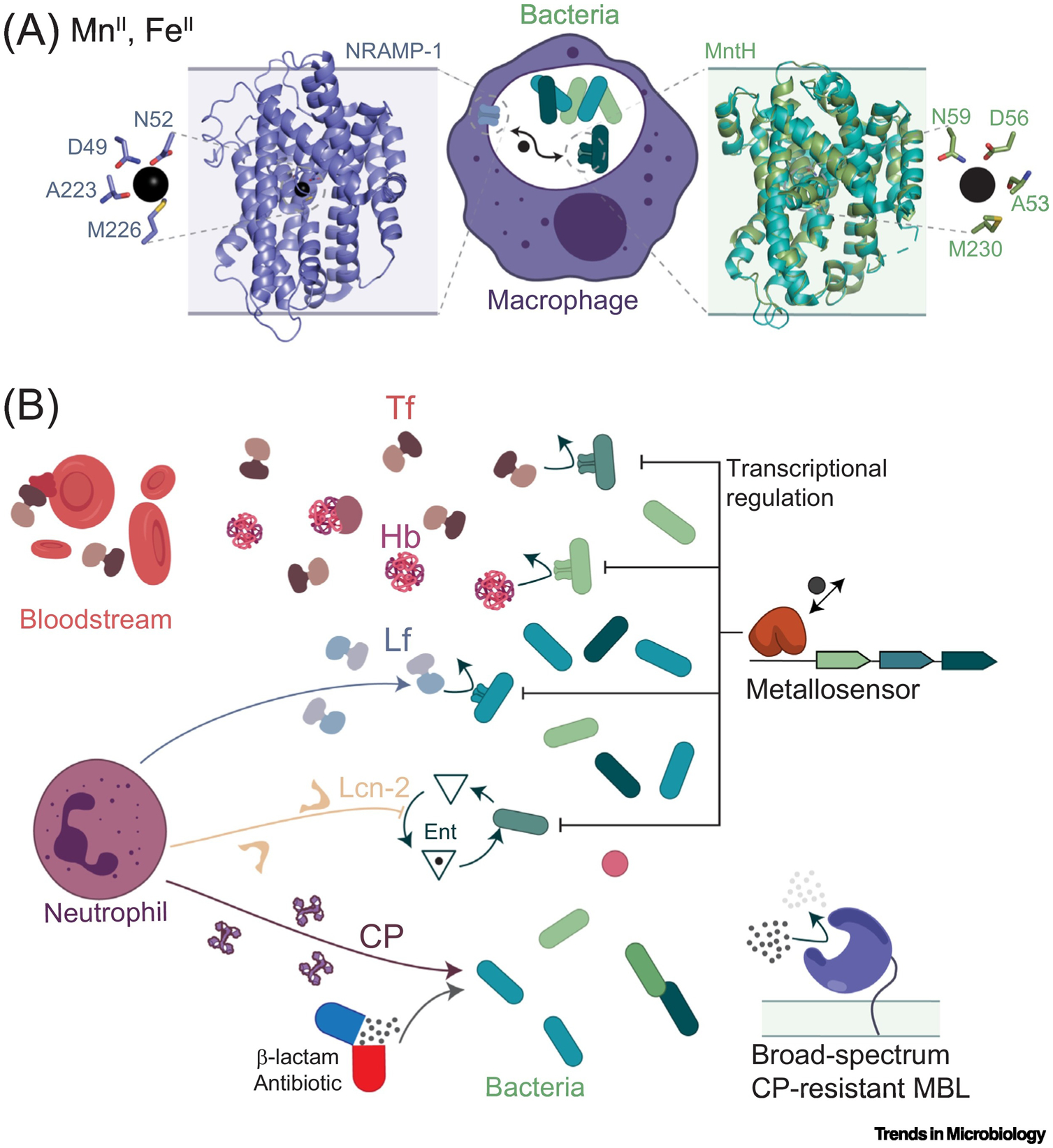
Figure 1.. Schematic Illustration of Human Proteins Involved in Depletion of Essential Metal Ions during Nutritional Immunity (Both Panels, Left), and Bacterial Effectors of Metal Ion Acquisition and Metallostasis (Both Panels, Right).
Proteins are shown in cartoon representation, metal ions as black spheres, and cell membranes as shaded rectangles. (A) Intracellular pathogens’ nutritional immunity proteins exemplified by the model human natural resistance-associated macrophage protein-1 (NRAMP-1) transporter DMT1 (Staphylococcus capitis DMT, PDB: 4WGW) and bacterial response exemplified by Deinococcus radiodurans MntH (PDB: 5KTE). Insets, MnII coordination chemistry. (B) Interplay between extracellular nutritional immunity proteins and bacterial response. Bacterial receptors for human serum transferrin (hTf), haptoglobin (Hb) and neutrophil-produced lactoferrin (Lf) drove the selection of variants with decreased affinity for the bacterial receptors or new immunomodulatory properties (curved arrows). Bacterial expression of metallophore production (exemplified by siderophore enterobactin or Ent) and import systems transcriptionally modulated by metallosensor proteins are counteracted by human neutrophil-produced lipocalin-2 (Lcn-2, also called siderocalin) and the multimetal-chelator calprotectin (CP). The latter, in addition to the use of β-lactam antibiotics, drove the selection for broad-spectrum metallo-β-lactamases (MBLs) from highly resistant pathogenic bacteria.
Figure 2.
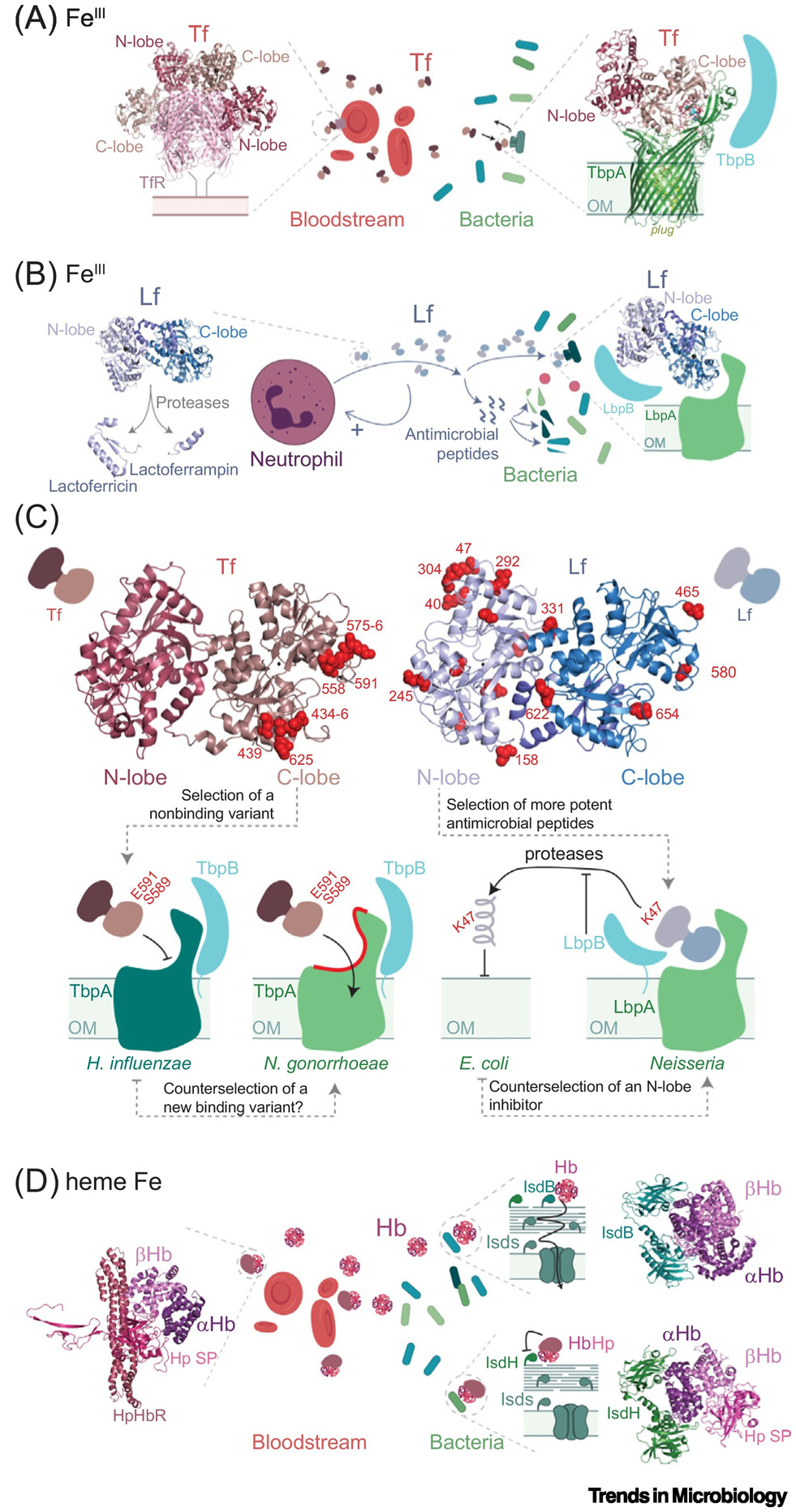
Figure 2.. Selection of Human Iron Transport Proteins and Bacterial Uptake Systems.
Proteins are shown in cartoon representation and cell membranes as shaded rectangles. (A) Human transferrin (Tf, PBD: 1SUV) interacts through distinct interfaces (N-lobe or C-lobe) with its cognate receptor in erythrocytes (red cells) and the Neisseria receptor TsbA (shown in complex with Tf, PBD: 3V89) and TsbB. (B) neutrophil-produced lactoferrin (Lf, PDB: 1B0l) with the antimicrobial peptides produced by proteolysis, and bacterial response exemplified by LbpAB [16]. (C) Above: positively selected sites across the primate clade represented as red spheres on human serum transferrin (hTf, PDB: 3V83) [15] and human lactoferrin (hLf, PDB:1B01) [16]. Below: schematic representation of the interaction of these proteins with bacterial Tf receptors in iron piracy, highlighting the location of key selected sites on both proteins that either prevent binding to the bacterial receptor (Tf) or convey antimicrobial activity against certain pathogens (Lf). The dashed arrows between bacterial species indicate an increased relative fitness. (D) Hemoglobin (Hb, in complex with haptoglobin, PDB: 4WJG) and bacterial response exemplified by Staphylococcus aureus receptors (IsdH, PDB: 6TB2 and IsdB, PDB: 5VMM), where the HbHp complex inhibits the bacterial receptor. Abbreviations: E. coli, Escherichia coli; H. influenzae, Haemophilus influenzae; N. gonorrhoeae, Neisseria gonorrhoeae; OM, outer membrane of Gram-negative bacteria.
Figure 3.
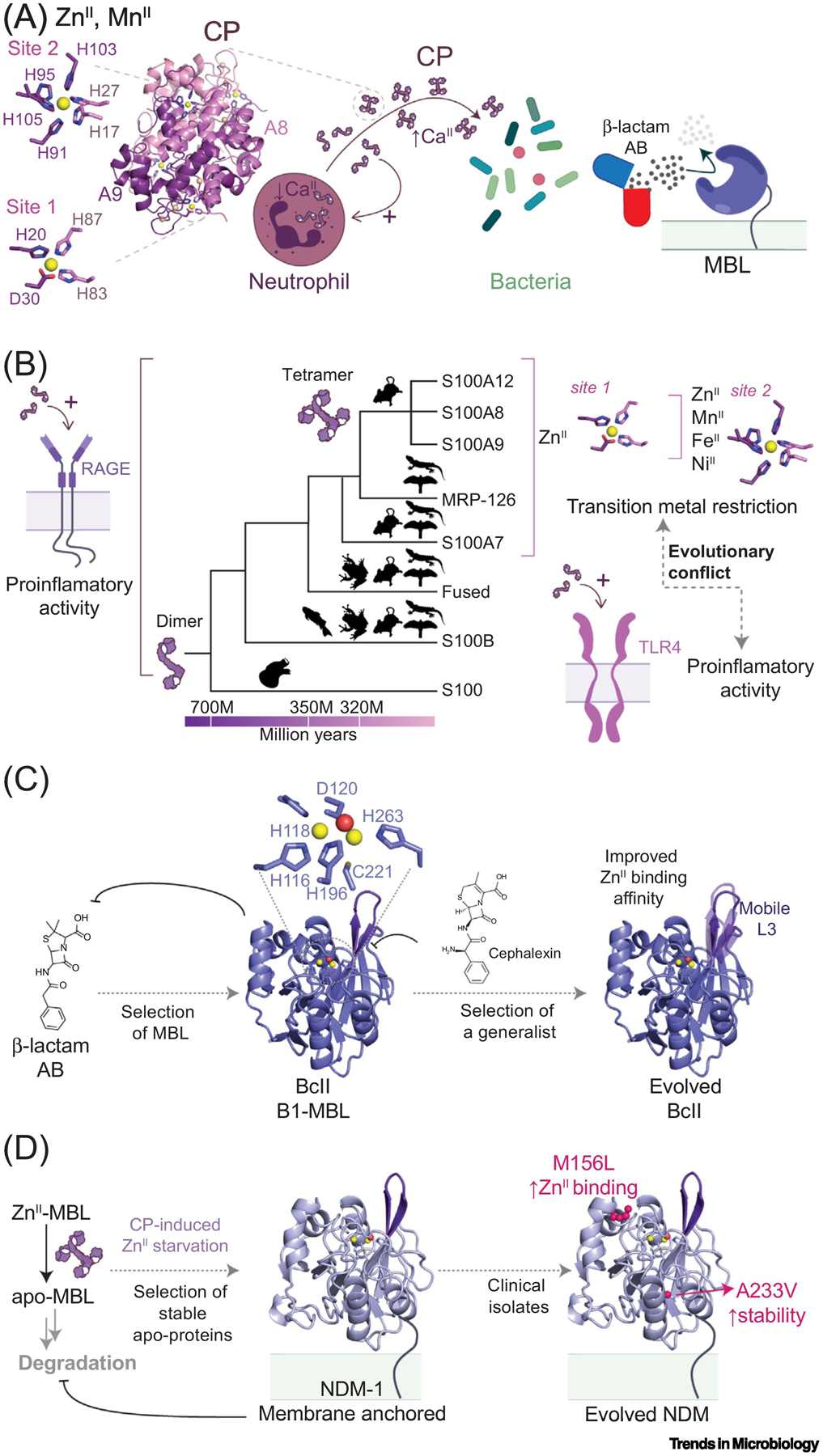
Figure 3.. (A) Model of Action for Neutrophil-Produced Multimetal-Chelating Calprotectin (CP, PDB: 4GGF).
Dimeric CP is secreted to the extracellular milieu upon activation of neutrophils where high CaII levels induce heterotetramerization [30], which enhances transition metal affinity and resistance to extracellular proteases. Details of the transition metal coordination site 1 (ZnII-specific) and site 2 are shown to the right. Left: β-lactam antibiotics and bacterial response exemplified with metallo-β-lactamases (MBLs), which are sensitive to ZnII chelation by CP. (B) S100 protein evolution across vertebrates. They arose in the last common ancestor of vertebrates (represented by the fish, frog, mouse, bird, and lizard silhouettes) and urochordates around 700 million years ago, while calgranulins appeared in the ancestor of amniotes (320 million years ago). In mammals, the calgranulin clade expanded via gene duplication events (top) [20,23]. Illustration of conserved interaction of most S100 proteins with the receptor for advanced glycation end products (RAGE) (left) and calgranulin-specific interaction with TLR4, exemplified by heterodimeric CP and homodimeric S100A8 and S100A9 (bottom, right) [21,23]. Illustration of nutritional immunity activity restricted to calgranulins, with heterotetrameric CP eliciting broad-spectrum metal restriction attributed to a metal-agnostic binding site 2 that is unique in the S100 superfamily (top, right). (C) and (D): Evolution of MBLs. Proteins are shown in cartoon representation and the ZnII ions as yellow spheres and coordinated water molecule as a red sphere. (C) The extensive use of β-lactam antibiotics acted on bacteria as a selective pressure that resulted in the expansion of MBLs in bacterial populations, such as BcII (PDB: 4NQ4). BcII cannot hydrolyze carbapenem and is sensitive to ZnII depletion, as apo-MBLs are readily degraded by proteases in the periplasm. Further selection exerted by carbapenem antibiotics and nutritional immunity results in variants with increased antibiotic binding site flexibility, which enhances substrate promiscuity, and increased ZnII binding affinity [61,68]. (D) In NDM-1 (PDB: 5ZGZ), membrane anchoring prevents proteolysis in the periplasm of the apo-form and renders the protein highly resistant to nutritional immunity-imposed ZnII restriction [71,72]. Further mutations from clinical isolates (two are shown) that occur from the active site of the protein enhance resistance toward host-imposed ZnII deprivation [74].
Figure 4.
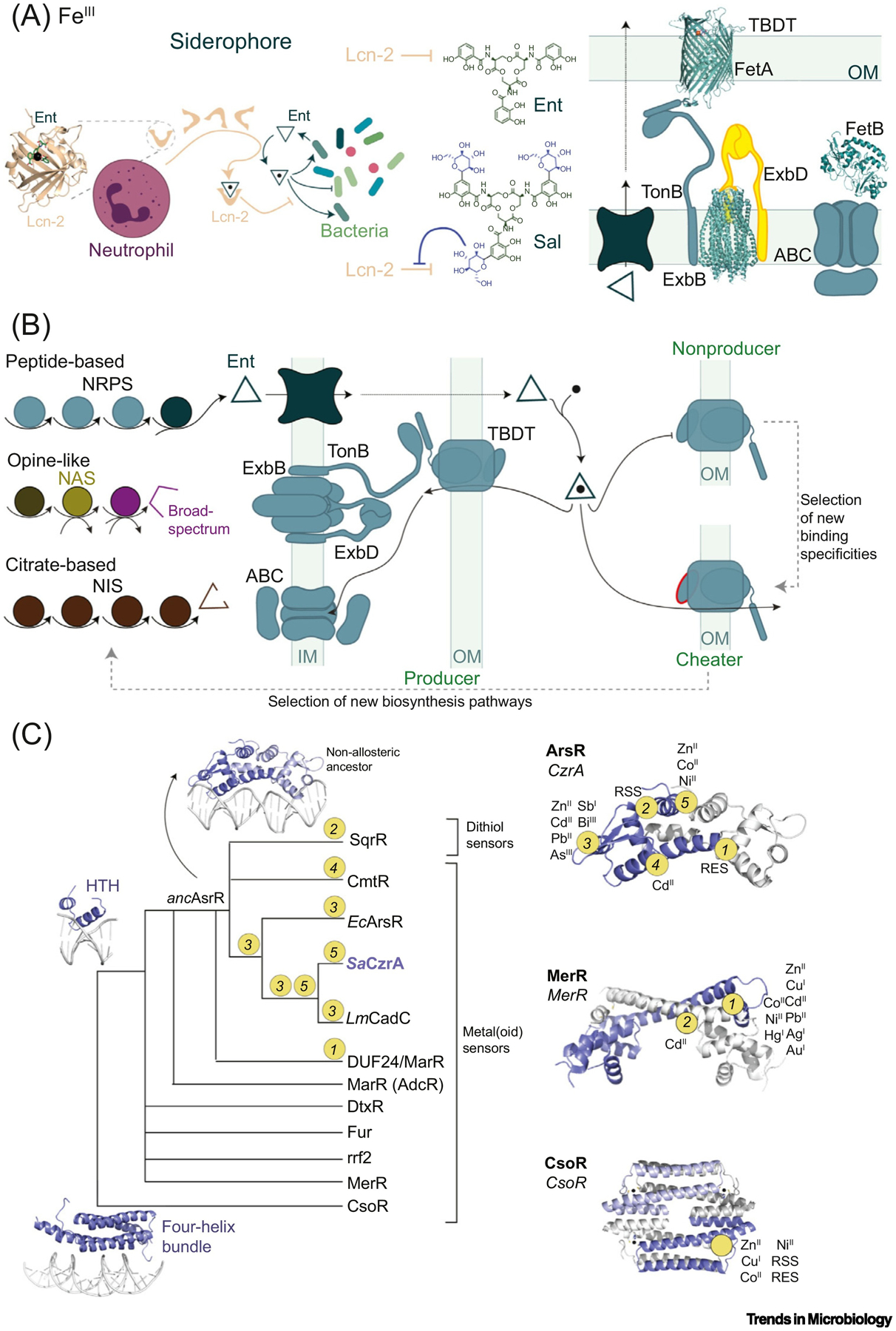
Figure 4.. (A) Left: Neutrophil-Produced Siderocalin (Lcn-2, in Complex with Enterobactin, Ent; PDB: 3K3L) and Bacterial Response Exemplified with the Production of Ent and Salmochelin (Sal), Which Is Not Recognized by Lcn-2.
Right: Gram-negative bacterial import system exemplified by the TonB-dependent transporter (TBDT) ZnuD (PDB: 4RVW), ExbB/ExbD complex (PDB: 5SV1), and an ATP-binding cassette (ABC) transporter (showing the structure of solute-binding protein FepB (PDB: 2M6L). (B) Siderophore or metallophore production (left) and cellular uptake (right). In Gram-negative bacteria, siderophores are imported by TBDTs into the periplasm and then into the cytoplasm by ABC transporters. In non-siderophore-producing bacteria (cheaters), new binding affinities and specificities in TBDTs are selected for, allowing for adaptation to new niches [87]. This, in turn, exerts a selective pressure on siderophore-producing bacteria, resulting in new biosynthesis pathways that expand siderophore diversity. (C) Schematic representation of the evolution of transcriptional regulator families, as suggested by some studies [99,100,106,129]. Apart from the CsoR superfamily (which may have arisen from a four-helix bundle ancestor), most metallosensors share the helix-turn-helix (HTH) topology in a common ancestor. In the arsenic repressor (ArsR) superfamily, the five sensory sites evolved from a nonallosteric ancestor with distinct metal or reactive species affinities and reactivities, respectively. The approximate positions of inducer recognition sites and sensing specificities are shown in representatives of the ArsR (2M30), MerR (5CRL), and CsoR (4M1P) superfamilies [103,130]. Abbreviations: NIS, NRPS-independent siderophore; NRPS, non-ribosomal peptide synthesis; OM, outer membrane; RSS, reactive sulfur species; RES, reactive electrophile species.

References

    1. Pittman KJ et al. (2016) The legacy of past pandemics: common human mutations that protect against infectious disease. PLoS Pathog. 12, 1–8 - PMC - PubMed
    1. Olive AJ and Sassetti CM (2016) Metabolic crosstalk between host and pathogen: Sensing, adapting and competing. Nat. Rev. Microbiol 14, 221–234 - PubMed
    1. Rohmer L et al. (2011) Are pathogenic bacteria just looking for food? Metabolism and microbial pathogenesis. Trends Microbiol. 19, 341–348 - PMC - PubMed
    1. Barber MF and Elde NC (2015) Buried treasure: evolutionary perspectives on microbial iron piracy. Trends Genet. 31, 627–636 - PMC - PubMed
    1. Weinberg ED (1975) Nutritional immunity. JAMA 231, 39. - PubMed

Publication types