


Health effects of wildfire smoke in children and public health tools: a narrative review
- PMID: 32952154
- PMCID: PMC7502220
- DOI: 10.1038/s41370-020-00267-4
Health effects of wildfire smoke in children and public health tools: a narrative review
Abstract
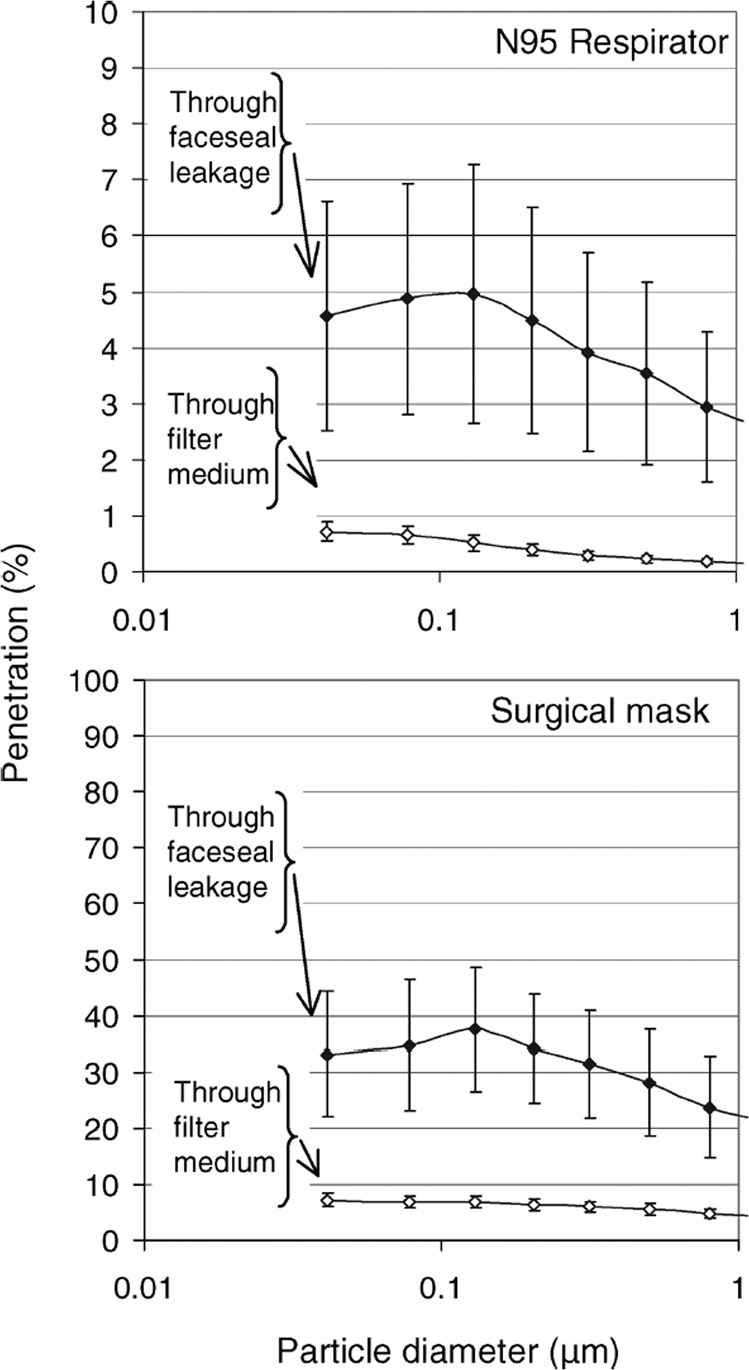
Wildfire smoke is an increasing environmental health threat to which children are particularly vulnerable, for both physiologic and behavioral reasons. To address the need for improved public health messaging this review summarizes current knowledge and knowledge gaps in the health effects of wildfire smoke in children, as well as tools for public health response aimed at children, including consideration of low-cost sensor data, respirators, and exposures in school environments. There is an established literature of health effects in children from components of ambient air pollution, which are also present in wildfire smoke, and an emerging literature on the effects of wildfire smoke, particularly for respiratory outcomes. Low-cost particulate sensors demonstrate the spatial variability of pollution, including wildfire smoke, where children live and play. Surgical masks and respirators can provide limited protection for children during wildfire events, with expected decreases of roughly 20% and 80% for surgical masks and N95 respirators, respectively. Schools should improve filtration to reduce exposure of our nation's children to smoke during wildfire events. The evidence base described may help clinical and public health authorities provide accurate information to families to improve their decision making.
Keywords: Children; Health effects; Masks; Respirators; Schools; Wildfire smoke.
Conflict of interest statement
The authors declare that they have no conflict of interest.
Figures
References
-
- Chalupka S, Anderko L. Climate change and schools: implications for children’s health and safety. Creat Nurs. 2019;25:249–57. - PubMed
