


Nervonic acid limits weight gain in a mouse model of diet-induced obesity
- PMID: 32959931
- PMCID: PMC8183615
- DOI: 10.1096/fj.202000525R
Nervonic acid limits weight gain in a mouse model of diet-induced obesity
Abstract
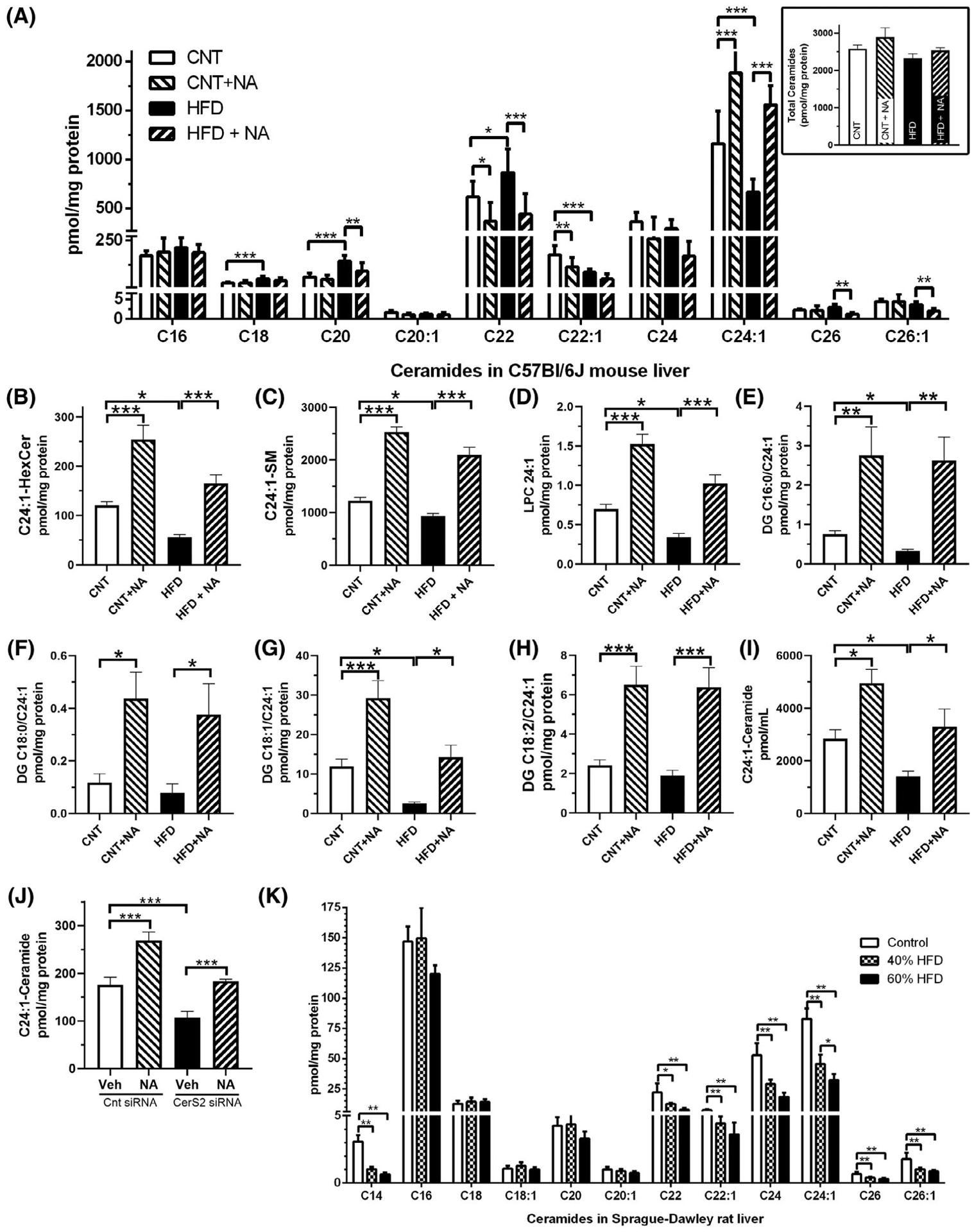
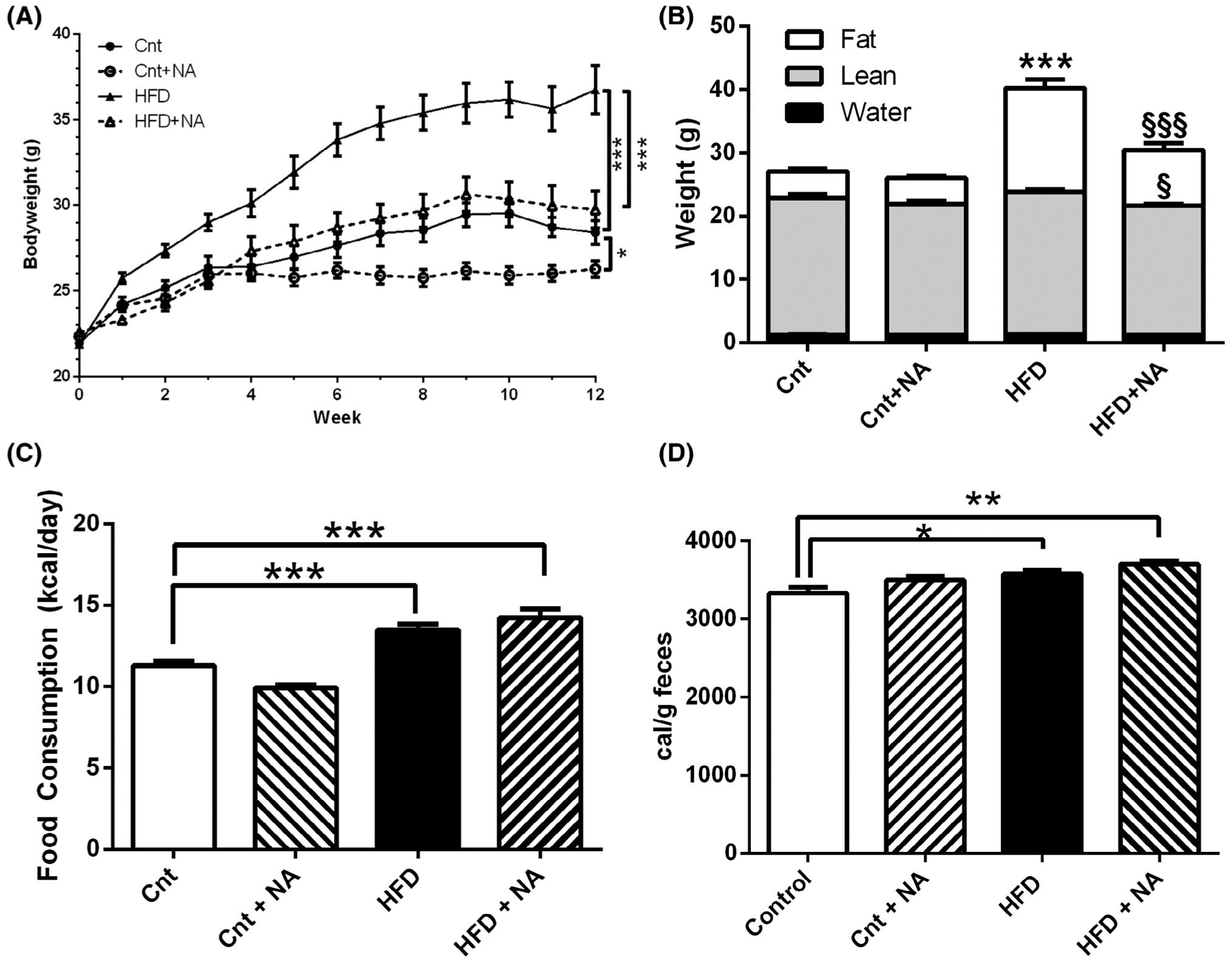
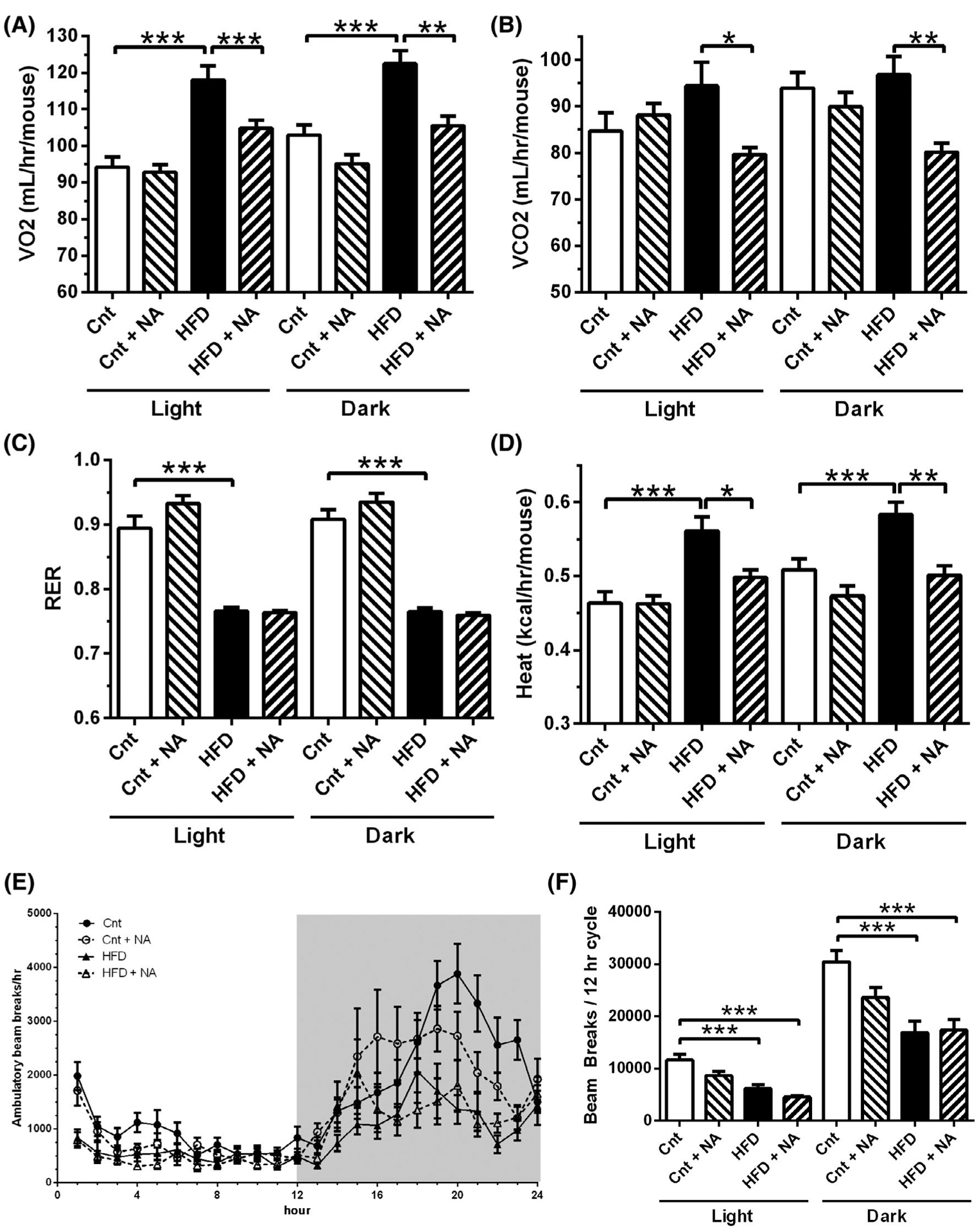
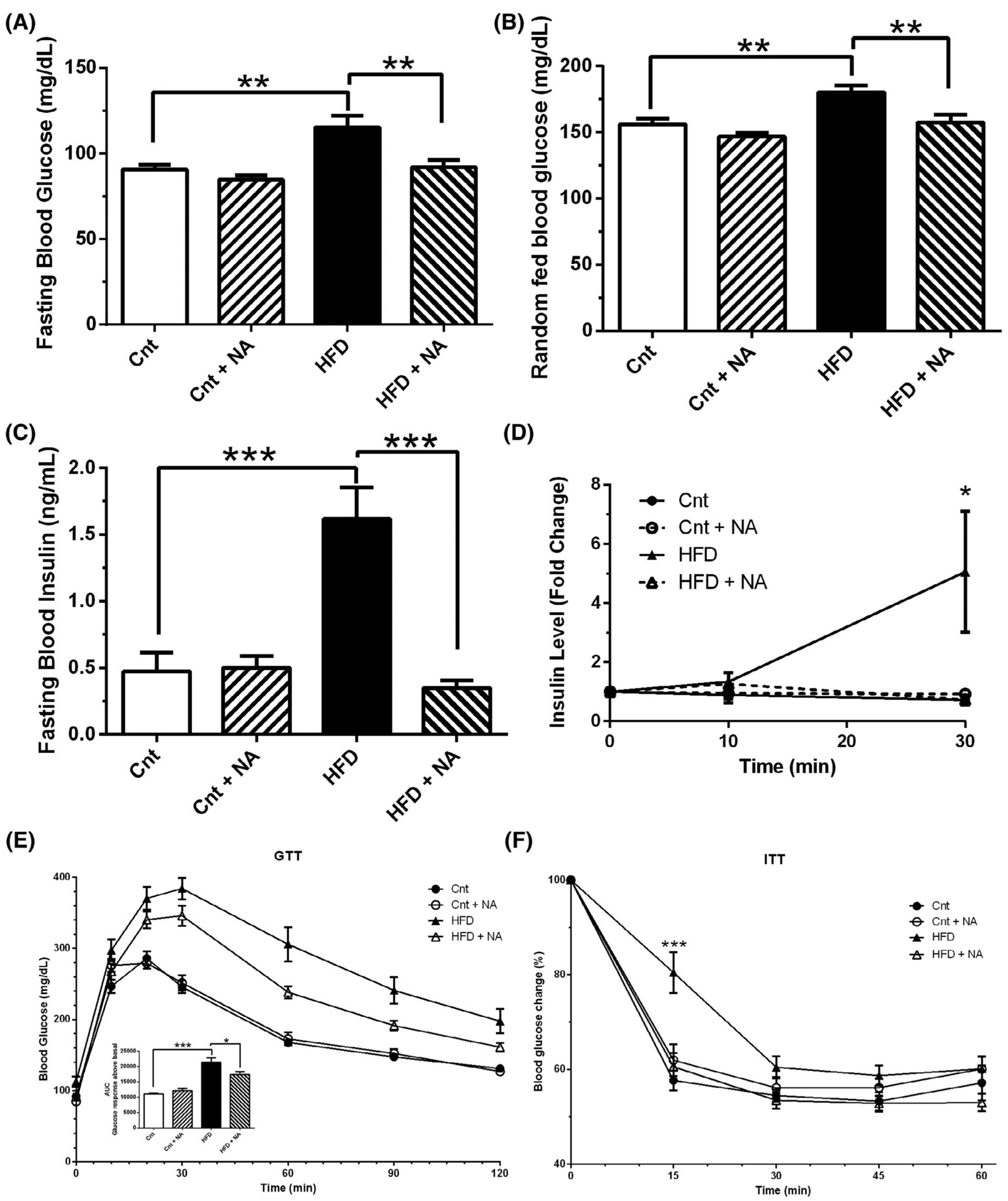
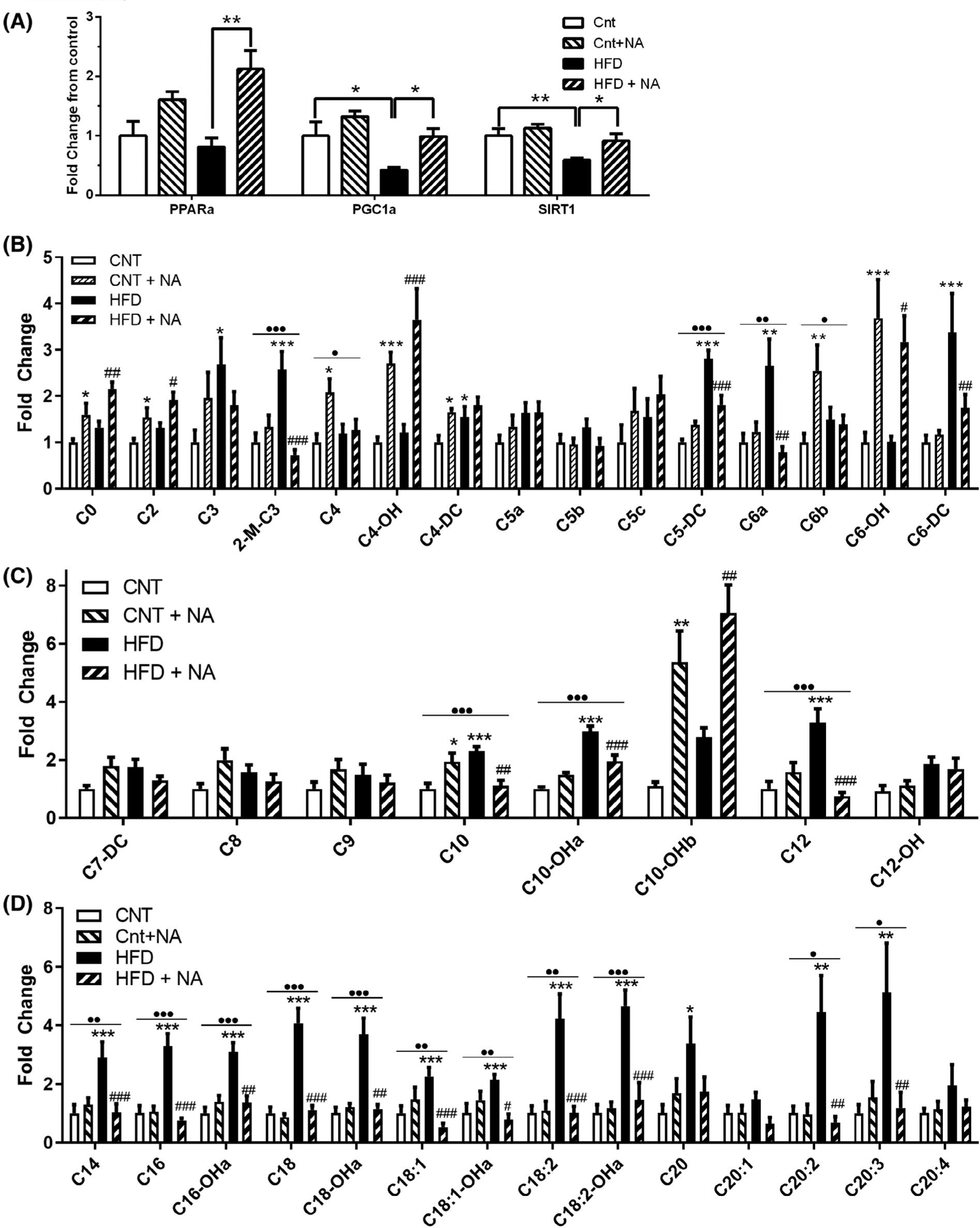
Lipid perturbations contribute to detrimental outcomes in obesity. We previously demonstrated that nervonic acid, a C24:1 ω-9 fatty acid, predominantly acylated to sphingolipids, including ceramides, are selectively reduced in a mouse model of obesity. It is currently unknown if deficiency of nervonic acid-sphingolipid metabolites contribute to complications of obesity. Mice were fed a standard diet, a high fat diet, or these diets supplemented isocalorically with nervonic acid. The primary objective was to determine if dietary nervonic acid content alters the metabolic phenotype in mice fed a high fat diet. Furthermore, we investigated if nervonic acid alters markers of impaired fatty acid oxidation in the liver. We observed that a nervonic acid-enriched isocaloric diet reduced weight gain and adiposity in mice fed a high fat diet. The nervonic acid enrichment led to increased C24:1-ceramides and improved several metabolic parameters including blood glucose levels, and insulin and glucose tolerance. Mechanistically, nervonic acid supplementation increased PPARα and PGC1α expression and improved the acylcarnitine profile in liver. These alterations indicate improved energy metabolism through increased β-oxidation of fatty acids. Taken together, increasing dietary nervonic acid improves metabolic parameters in mice fed a high fat diet. Strategies that prevent deficiency of, or restore, nervonic acid may represent an effective strategy to treat obesity and obesity-related complications.
Keywords: ceramide; fatty acid oxidation; obesity; omega-9; sphingolipids.
© 2020 Federation of American Societies for Experimental Biology.
Conflict of interest statement
CONFLICT OF INTEREST
The authors declare no conflict of interest.
Figures
References
-
- Hammad SS, Jones PJ. Dietary fatty acid composition modulates obesity and interacts with obesity-related genes. Lipids. 2017;52:803–822. - PubMed
-
- Palomer X, Pizarro-Delgado J, Barroso E, Vazquez-Carrera M. Palmitic and oleic acid: the Yin and Yang of fatty acids in type 2 diabetes mellitus. TEM. 2018;29:178–190. - PubMed
-
- Meikle PJ, Summers SA. Sphingolipids and phospholipids in insulin resistance and related metabolic disorders. Nature Rev Endocrinol. 2017;13:79–91. - PubMed
Publication types
MeSH terms
Substances
Grants and funding
LinkOut - more resources
Full Text Sources
Medical
