. 2021 Jan;27(1):92.e1-92.e5.
doi: 10.1016/j.bbmt.2020.09.017. Epub 2020 Sep 19.

Paradoxical Regulation of Allogeneic Bone Marrow Engraftment and Immune Privilege by Mesenchymal Cells and Adenosine

Affiliations

Paradoxical Regulation of Allogeneic Bone Marrow Engraftment and Immune Privilege by Mesenchymal Cells and Adenosine

Miwako Kakiuchi et al. Transplant Cell Ther. 2021 Jan.

Abstract

Although mesenchymal stromal cell (MSC) transfer has long drawn attention owing to its immunosuppressive potential to treat immune-mediated diseases, the role of endogenous MSCs in immune regulation in vivo has remained largely unclear. MSCs constitute the hematopoietic stem cell (HSC) niche, perhaps contributing to immune protection of HSCs, termed immune privilege. Our recent study demonstrates that immune privilege of HSCs is endowed by niche-residential regulatory T cells (Tregs), which promote allogeneic HSC engraftment. This immune privilege depends on cell surface ectoenzymes CD39 and CD73 on niche Tregs, which generate extracellular adenosine, a nucleotide known to suppress immunity and potentiate Tregs. Another niche constituent, leptin receptor-expressing (lepr+) perivascular MSCs, also highly express CD39 and CD73, prompting us to study their roles in immune privilege. This work demonstrates an unexpected negative regulation of immune privilege by MSC-derived adenosine. CD39 deletion in lepr+ cells increased and potentiated effector memory-like niche Tregs, promoting allogeneic HSC engraftment. CD39 deletion in Tregs also activated niche Tregs, while abrogating engraftment. These observations demonstrate paradoxical effects of MSC-derived adenosine to activate immunity, revealing a previously undescribed dual roles of adenosine. Adenosine from both Tregs and MSCs inhibits niche Tregs, whereas adenosine from Tregs, but not that from MSCs, acts as an effector molecule of immune privilege.

Keywords: Adenosine; Allogenic bone marrow transplantation; Engraftment; Hematopoietic stem cell niche; Mesenchymal stromal cell; Treg.


Conflict of interest statement

Disclosure of Conflict of Interest We have no conflicting interest to declare.

Figures

Figure 1.
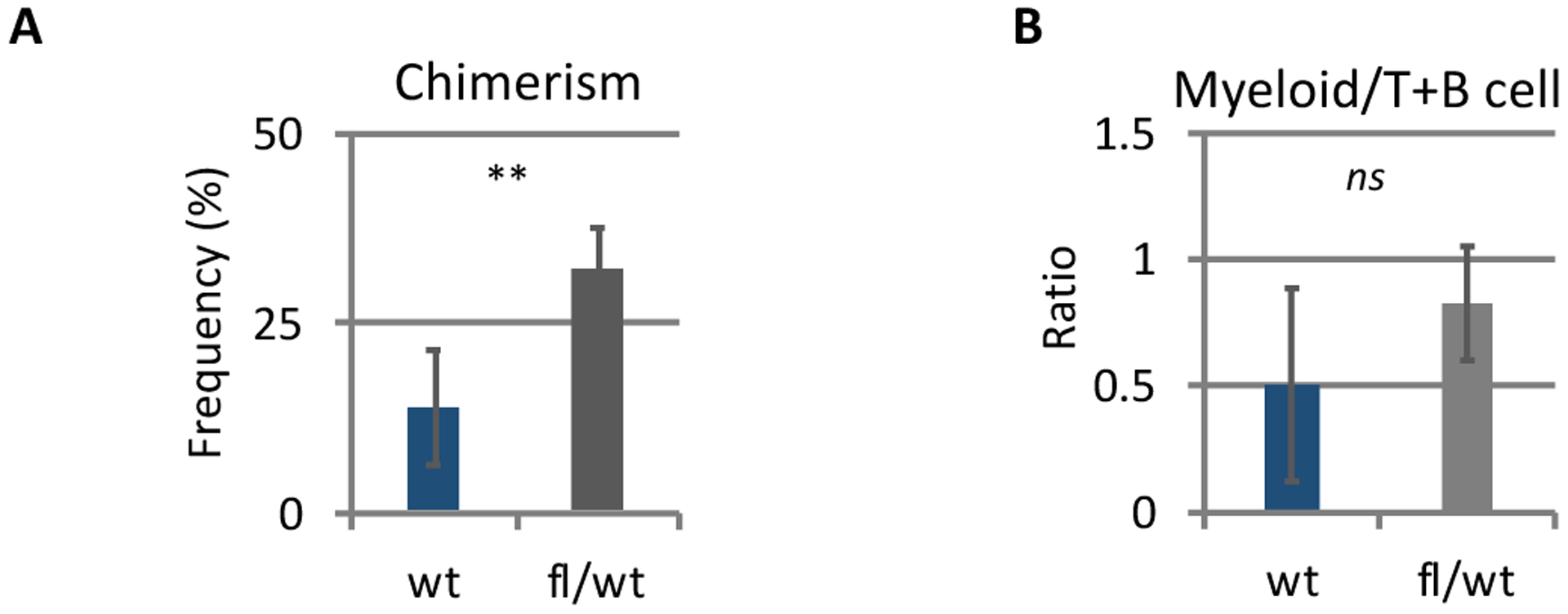
Figure 1.. CD39 deletion in lepr+ cells promoted allo-HSC engraftment.
A. Allo-donor blood chimerism in Leprcre CD39fl/wt or control Leprcre mice. Recipient mice (B6) received 3-Gy irradiation followed by intravenous injection of MHC-mismatched BALB/c BM cells (2 × 10⁷/each). Anti-CD8 mAb was intraperitoneally injected on day −1 and anti-mouse CD40L mAb on day 0. Donor chimerism frequencies in the peripheral blood 4 weeks after transplantation. Experiment included four-five recipients/group. Data were reproduced by an additional experiment (five mice/group). B. Ratios of donor myeloid (CD11b+) to lymphoid (TCRβ+ and B220+) cells in the peripheral blood.
Figure 2.
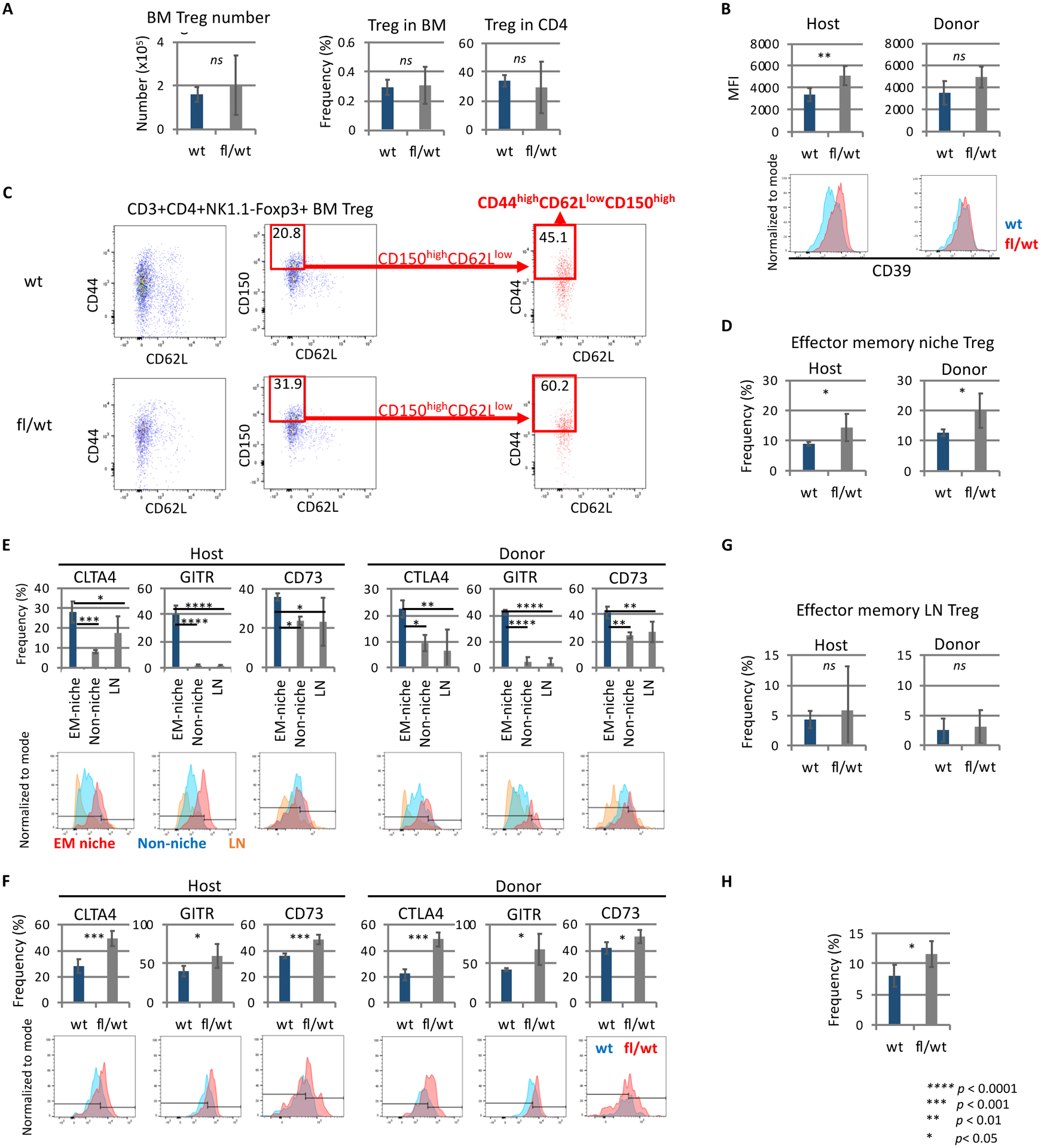
Figure 2.. CD39 deletion in lepr+ cells increased and potentiated effector memory-like niche Tregs.
A. Treg numbers or frequencies in BM mononuclear cells or CD4 T cells. Experiment included four-five recipients/group. Analysis was performed ten weeks after transplant (B-H). B. CD39 expression levels by BM Tregs. Experiment included four-five recipients/group. Four weeks after transplant. C. Gating strategy of host-derived effector memory-like niche Tregs (H-2Kb+) CD44highCD62lowCD150highFoxP3+CD4+CD3+NK1.1-) in transplanted Leprcre CD39fl/wt or Leprcre mice. Experiment included four-five recipients/group. D. Frequencies of effector memory-like niche Tregs within host- or donor-derived BM Tregs four weeks after transplantation. Experiment included four-five recipients/group. E. Expression levels of PD1, GITR, and CD73 by host- or donor-derived effector memory-like niche Tregs (EM niche), CD150lowCD44lowCD62low BM Tregs (non-niche), and LN Tregs in transplanted Leprcre mice. Experiment included four-five recipients/group. F. Expression levels of PD1, GITR, and CD73 by host- or donor-derived effector memory-like niche Tregs in Leprcre CD39fl/wt or Leprcre mice. Experiment included four-five recipients/group. G. Frequencies of effector memory-like LN Tregs. Experiment included four-five recipients/group. H. Frequencies of effector memory-like niche Tregs within Tregs in non-transplanted Leprcre CD39fl/wt or Leprcre mice. Experiment included four-five mice/group.
Figure 3.
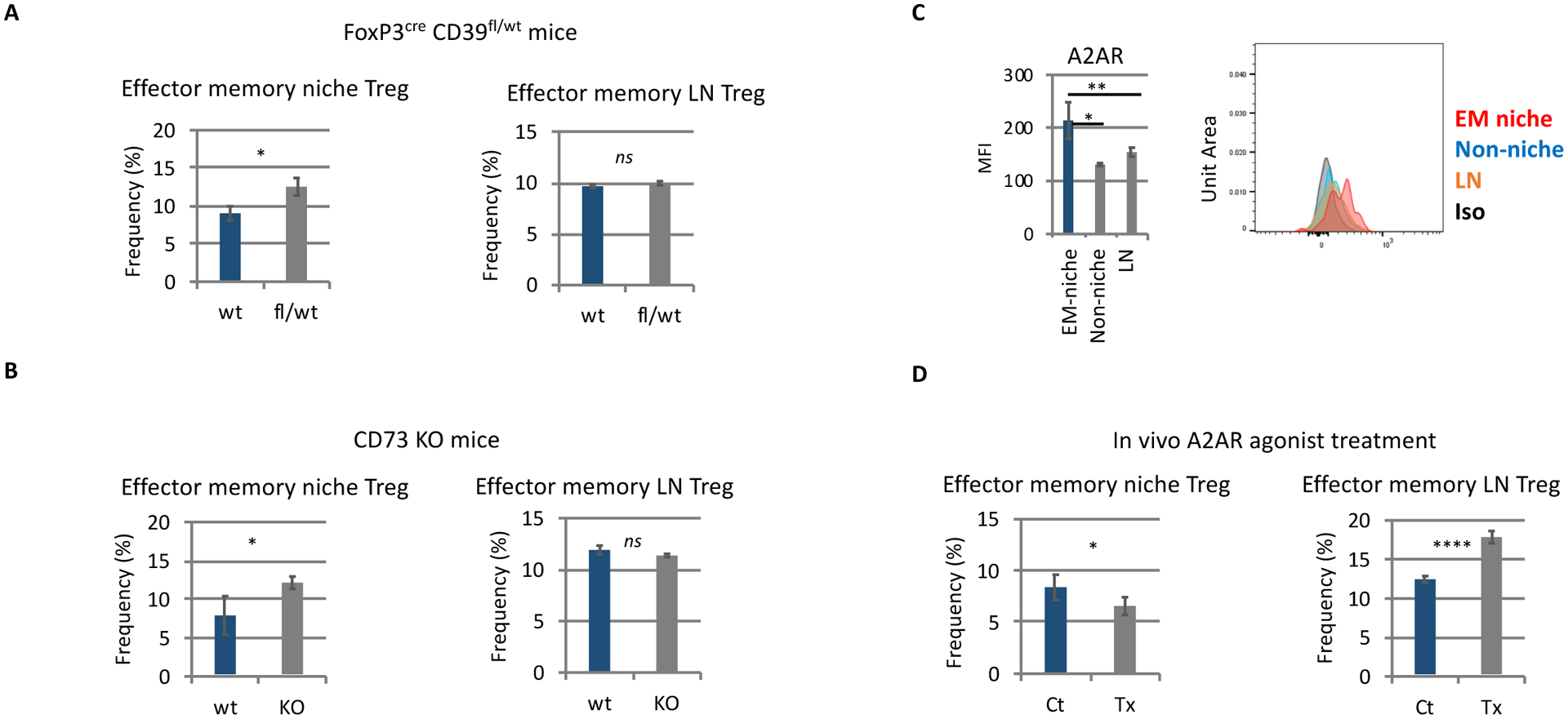
Figure 3.. CD39 deletion in Tregs and CD73 global deletion both increased effector memory-like niche Tregs, while in vivo A2AR agonist treatment decreased effector memory-like niche Tregs.
A-B, D. Frequencies of effector memory-like niche Tregs and LN Tregs within BM Tregs and LN Tregs, respectively, in FoxP3cre CD39fl/wt mice (A), CD73 KO mice (B), and A2AR agonist (PSB-0777) treated mice (D). PSB-0777 (Tocris; 1mg/kg i.p.) was given for seven consecutive days. Flow cytometric analysis was performed four hours after the final injection. Experiment included three-four mice/group. C. Flow cytometric analysis of A2AR expression levels on effector memory-like niche Tregs. N=3. EM-niche: Effector memory-like niche Tregs. Non-niche: CD150low BM Tregs. LN: lymph node Tregs. Iso: isotype control. ****: p < 0.0001. ***: p < 0.001. **: p < 0.01. *: p< 0.05.

References

    1. Galipeau J & Sensebe L Mesenchymal Stromal Cells: Clinical Challenges and Therapeutic Opportunities. Cell Stem Cell 2018; 22(6): 824–833. - PMC - PubMed
    1. Bernardo ME & Fibbe WE Safety and efficacy of mesenchymal stromal cell therapy in autoimmune disorders. Ann N Y Acad Sci 2012; 1266(107–117. - PubMed
    1. Kfoury Y & Scadden DT Mesenchymal cell contributions to the stem cell niche. Cell Stem Cell 2015; 16(3): 239–253. - PubMed
    1. Niederkorn JY See no evil, hear no evil, do no evil: the lessons of immune privilege. Nat Immunol 2006; 7(4): 354–359. - PubMed
    1. Li N, Wang T & Han D Structural, cellular and molecular aspects of immune privilege in the testis. Front Immunol 2012; 3(152. - PMC - PubMed

Publication types